How to Make Dairy Free Coconut Ice Cream (So Creamy!)

Cory Mosley is the Vice President of Growth for Pecan Jacks. He supports franchise growth and brand strategy while helping protect the quality behind every scoop, bringing “A Sweet Day Is A Bite Away®” philosophy to customers across the country.
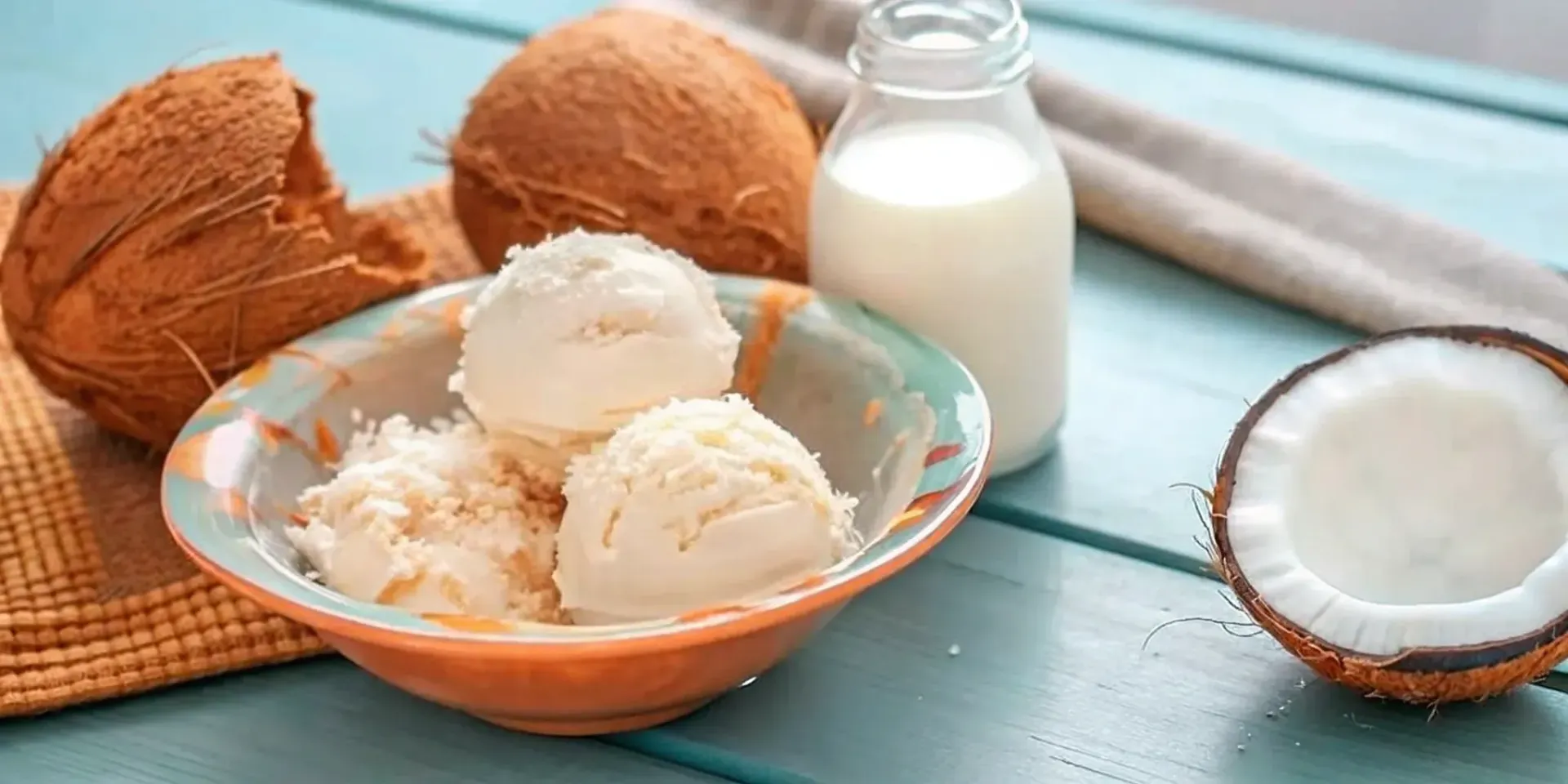
For anyone who avoids dairy, finding a dessert that feels truly indulgent without causing discomfort can be a game-changer. Traditional ice cream is off the table for millions of people, but that shouldn't mean sacrificing flavor or texture. That’s why we’re so excited to share our love for dairy free coconut ice cream. It’s a fantastic alternative that’s naturally lactose-free, making it gentle on your digestive system. Beyond that, it has some surprising perks, like providing a natural energy kick from healthy fats. Here, we’ll explore the benefits of this amazing treat and give you a simple, step-by-step guide to making a creamy, delicious batch in your own kitchen.
Key Takeaways
- Prioritize Full-Fat Coconut Milk for Creaminess: The key to a rich, smooth, and non-icy result is using canned, full-fat coconut milk. Its high fat content is non-negotiable for achieving that classic, scoop-shop texture.
- Use Salt for a Scoopable Texture: A small pinch of salt is crucial for more than just flavor. It helps prevent the ice cream from freezing into a solid block, ensuring it stays soft enough to scoop easily.
- Serve Fresh or Thaw Before Scooping: For the absolute best consistency, enjoy your ice cream the day it's made. If you're eating leftovers, let the container sit on the counter for about 15 minutes to soften for perfect scooping.
What Is Dairy-Free Coconut Ice Cream?
If you've ever wished for a scoop of ice cream that's rich, decadent, and completely dairy-free, you're in luck. Dairy-free coconut ice cream is a delicious frozen dessert made primarily from coconut milk. It’s the perfect treat for anyone following a vegan diet, dealing with lactose intolerance, or simply craving the sweet, tropical taste of coconut. This wonderful alternative lets you enjoy a creamy dessert without a drop of dairy.
The magic lies in using coconut milk to create a base that’s just as smooth and satisfying as traditional ice cream. It’s not just a substitute; it’s a star in its own right, offering a unique flavor profile that pairs beautifully with everything from rich chocolate to tangy fruit. Whether you're making it at home or grabbing a pint from your favorite creamery, coconut ice cream proves that plant-based can be every bit as indulgent.
How It's Different From Traditional Ice Cream
The biggest difference, of course, is the star ingredient. Instead of cow's milk and cream, coconut ice cream gets its incredible richness from coconut milk. For that truly decadent, scoop-shop texture, full-fat canned coconut milk is essential. It has the high fat content needed to create a smooth, creamy result and prevent ice crystals from forming. You'll want to skip the "lite" versions or the refrigerated coconut milk drinks you'd pour on cereal—they just don't have enough fat to do the job. This simple swap is what gives coconut ice cream its signature flavor and satisfyingly smooth finish, making it a standout in the world of frozen desserts.
Why Choose a Plant-Based Scoop?
Beyond the amazing taste, there are some great reasons to reach for a coconut-based scoop. For starters, a huge portion of the world's population—around 60% to 75%—has trouble digesting lactose, the sugar found in dairy. A plant-based option means you can enjoy a frozen treat without any digestive discomfort. Plus, coconut is a source of medium-chain triglycerides (MCTs), a type of fat that your body can convert into energy more quickly. This means it's less likely to be stored as body fat, giving you a little boost along with your dessert. It’s a delicious choice that can also feel good.
Your Shopping List for the Creamiest Coconut Ice Cream
Before you start, let's gather the essentials. The best part about this recipe is its simplicity. You don’t need a long list of complicated ingredients to create a truly decadent, plant-based dessert. At Pecan Jacks, we believe that quality starts with the ingredients, and the same rule applies to your home kitchen. With just a few key items, you can craft a coconut ice cream that’s rich, smooth, and packed with flavor. Think of this as your foundation for endless flavor creations, from simple vanilla bean to a scoop loaded with your favorite chocolates and nuts. Let’s get everything you need to make the magic happen.
The Foundation: Full-Fat Coconut Milk and Cream
This is the most important ingredient on the list, so listen closely! For that unbelievably creamy, scoop-shop texture, you absolutely must use full-fat canned coconut milk. The kind you find in the international aisle is perfect. Please avoid the refrigerated cartons of coconut milk beverage or any "lite" versions. The high-fat content is the secret weapon that prevents ice crystals from forming and gives your ice cream its luxurious, melt-in-your-mouth quality. The cream that solidifies at the top of the can is pure gold, so don't be afraid to scoop out every last bit. This rich base is what will set your homemade creation apart.
Natural Sweeteners and Flavorings
Now for the sweetness. You have plenty of options here, so feel free to use what you love. Granulated sugar works perfectly, but you can also use liquid sweeteners like maple syrup or agave nectar for a more complex flavor. Maple syrup, in particular, adds a wonderful caramel note that pairs beautifully with coconut. Just remember that liquid sweeteners can slightly alter the final texture, making it a bit softer. You’ll also want a splash of pure vanilla extract to round out the flavor. This simple combination creates a perfect canvas for any mix-ins you dream up later.
A Pinch of Salt for Perfect Texture
Don't skip the salt! It might seem like a tiny, insignificant step, but adding a small pinch of salt to your ice cream base is a game-changer. It does more than just enhance the flavor; it actually lowers the freezing point of the mixture. In simple terms, this helps keep your ice cream from freezing into a solid, icy block. That little pinch of salt is your insurance policy for a smooth, easily scoopable texture every single time. It’s a small detail that makes a huge difference in the final product, ensuring every spoonful is perfectly creamy.
How to Make Coconut Ice Cream: A Step-by-Step Guide
Ready to try your hand at making a dreamy, dairy-free dessert at home? Creating your own coconut ice cream is surprisingly simple and gives you total control over the sweetness and flavor. Whether you have a fancy ice cream maker or just a blender, a rich, creamy scoop is totally within reach. We’ll walk through the entire process, from gathering your ingredients to churning out the perfect batch. Let's get started!
Prepping Your Ingredients
The best part about this recipe is its simplicity. You only need a handful of ingredients to create a delicious base. You’ll want to grab full-fat canned coconut milk, canned coconut cream, a sweetener like sugar or maple syrup, vanilla extract, and a small pinch of salt. That’s it! These ingredients work together to create a rich, smooth texture that rivals traditional dairy ice cream. The high fat content in the canned coconut milk is the secret to getting that luscious, creamy consistency, so be sure not to grab the light version by mistake.
Churn vs. No-Churn: Pick Your Method
You have two great options for turning your coconut base into ice cream. If you have an ice cream maker, you’ll want to use the churn method. Just pour your chilled mixture into the machine and let it work its magic. The churning process incorporates air, which is key for a light, scoopable texture. Don't have an ice cream maker? No problem! The no-churn method is just as effective. You can freeze the mixture in ice cube trays, then blend the frozen cubes in a high-powered blender until smooth and creamy. Both paths lead to delicious homemade ice cream.
Pro Tips for Ultra-Creamy Results
Want to make sure your ice cream comes out perfectly smooth and not icy? First, always use full-fat canned coconut milk. The fat is what prevents ice crystals from forming and gives you that signature creamy mouthfeel. Second, don’t skip the salt! A tiny pinch does more than just balance the sweetness; it also helps keep the ice cream from freezing too hard. Finally, for the absolute best texture, plan to enjoy your creation the day it’s made. While it will still be delicious later, homemade ice cream is always at its peak right after churning.
The Surprising Perks of Coconut Ice Cream
Beyond being incredibly delicious, coconut ice cream has some pretty cool benefits hiding in every scoop. It’s not just about what it doesn’t have (dairy!), but also about the good stuff it brings to the table. Choosing a plant-based dessert doesn't mean you have to compromise on flavor or perks. From a unique type of healthy fat to being gentle on your stomach, this creamy treat is a bit of a powerhouse. Let's look at a few reasons why making a batch of coconut ice cream is a sweet decision for both your taste buds and your body.
At Pecan Jacks, we believe in using high-quality ingredients that make you feel as good as they taste, whether it's in our classic gourmet ice creams or a homemade dairy-free recipe. It’s all about celebrating sweet moments, and knowing your dessert has a few extra benefits makes it even sweeter.
A Natural Energy Kick from MCTs
Ever heard of a dessert that gives you an energy kick? Coconut ice cream gets its power from special fats called medium-chain triglycerides (MCTs). Unlike other fats that take a while to digest, your body processes MCTs quickly, turning them into a ready-to-use source of fuel. About 90% of the fats in coconut are MCTs, which means they are less likely to be stored as body fat. So, that scoop of creamy coconut goodness can give you a little pick-me-up without the crash you might get from other sugary treats. It’s a smarter way to satisfy your sweet tooth.
The Lactose-Free Advantage for Digestion
If traditional ice cream leaves your stomach feeling less than thrilled, you're not alone. For anyone who is lactose intolerant or simply chooses to avoid dairy, finding a satisfying dessert can be a challenge. This is where coconut ice cream truly shines. It’s naturally free from dairy and lactose, making it a wonderfully gentle option for your digestive system. You get all the rich, creamy texture you crave without any of the discomfort, making it a treat everyone can enjoy. It's perfect for people who can't eat dairy or choose not to, helping them avoid an upset stomach.
Good for Your Heart (and Keeps You Full!)
Those amazing MCTs we talked about do more than just provide energy. They may also play a role in supporting your heart health and helping you feel satisfied. Some studies suggest that MCTs might help increase your "good" cholesterol (HDL). Plus, they can help you feel full for longer, which is a fantastic bonus from a dessert. This feeling of satiety can help curb cravings later on. It’s wonderful to know that the same ingredient responsible for that velvety texture is also working behind the scenes to offer these extra benefits, making each spoonful a little more rewarding.
Let's Talk Mix-Ins: Make It Your Own
This is where the real fun begins. Once you have your creamy coconut base, you can turn it into any flavor you can dream up. Making ice cream at home means you're the head chef, and the kitchen is your playground. The beauty of a simple, delicious base recipe is its versatility. Think of it as a blank canvas for all your favorite flavors, textures, and sweet additions. Whether you’re a purist who loves a simple vanilla bean or someone who believes more is more when it comes to chunky mix-ins, this is your chance to create a signature scoop that’s perfectly tailored to your taste.
There are three main ways to customize your ice cream: changing the base flavor, adding chunky ingredients for texture, and creating ribbons of sauce for a beautiful swirl. You can do one, two, or all three! The key is to add things at the right time. Flavor extracts and spices should go in with your base ingredients before churning. Chunky bits like nuts, chocolate, or fruit should be folded in gently at the very end. And those lovely swirls? They’re layered in right before the final freeze. Let's get into a few ideas to get your creativity flowing.
Classic Flavor Combinations
Changing the entire flavor of your ice cream can be as simple as adding a teaspoon of a different extract. Instead of vanilla, try peppermint extract for a refreshing mint chip base (just add chocolate later!). Almond extract gives it a rich, nutty depth, while a squeeze of fresh lemon or lime juice creates a bright, zesty flavor. You can also infuse the coconut milk with whole spices like cinnamon sticks or fresh mint leaves before churning for a more subtle, complex taste. Don't be afraid to combine them, either—a hint of almond with cherry chunks or mint with dark chocolate are classic pairings for a reason.
Add-Ins: Nuts, Chocolate, and Fruit
For me, the best part of any ice cream is the chunky bits you find in every spoonful. After your ice cream is done churning, gently fold in your favorite additions. Think chopped dark chocolate, toasted coconut flakes, or a handful of fresh berries. For a truly southern-inspired treat, try crumbling in some of our handmade southern pralines for a sweet, nutty crunch. Toasted pecans or walnuts also add a wonderful texture. Just be sure to add your mix-ins during the last minute of churning or fold them in by hand right before you freeze the final mixture.
How to Create the Perfect Swirl
A beautiful swirl of caramel, fudge, or fruit jam makes any scoop look like it came from a gourmet ice cream shop. The trick is to layer it correctly. As you transfer your churned ice cream into its freezer container, alternate layers of ice cream with drizzles of your sauce. Start with a layer of ice cream, add a spoonful of sauce, add more ice cream, and repeat. For the final touch, gently run a knife through the container once or twice to create that signature swirl effect without overmixing. This method ensures you get a perfect ribbon of flavor in every bite.
Troubleshooting Your Homemade Ice Cream
Nothing is more disappointing than pulling your homemade ice cream out of the freezer only to find it’s a solid, icy block instead of the creamy scoop you were dreaming of. Don’t worry, it happens to the best of us! Getting that perfect, luscious texture at home can be tricky, but a few simple adjustments can make all the difference. Whether your ice cream is a bit too hard or you’re just not sure how to store it, I’ve got you covered. We’ll walk through the most common issues and how to fix them, so your next batch of dairy-free coconut ice cream is your best one yet.
How to Prevent an Icy Texture
The key to a creamy, dreamy texture is managing ice crystals. Your coconut ice cream will be at its absolute creamiest right after you make it. If you freeze it for a while, it will naturally become a bit icier, but it will still be delicious. To minimize that icy bite, don't skip the salt in your recipe. It might seem like a minor ingredient, but it’s a game-changer that "helps the dairy-free ice cream from freezing too hard." Also, pay attention to your churning time. Aim for about 20–25 minutes, or until it’s thick and smooth. Be careful, as over-churning can make it hard and brittle. If you notice any coconut cream chunks after blending your base, gently "heat the mixture over medium heat until it's smooth" to prevent those bits from freezing into hard lumps.
Storing and Serving for the Best Taste
For the ultimate flavor and texture, it’s best to "eat the ice cream on the day it's made." That’s when it has that perfect, just-churned consistency we all love. But if you have leftovers, you can absolutely save them for later. Store your creation in a good airtight container in the freezer for up to a few weeks. When you’re ready for another scoop, the most important step is to have a little patience. Your homemade ice cream will freeze harder than store-bought versions, so be sure to "let it thaw for at least 15 minutes before eating so it softens up." This little wait ensures you get a delightful, easy-to-scoop treat every time.
Coconut vs. Other Dairy-Free Ice Creams
The world of dairy-free ice cream is bigger than ever, with options made from almond, soy, oat, and cashew milk lining freezer aisles. While each has its place, coconut-based ice cream holds a special spot for its incredible ability to mimic the rich, satisfying texture of traditional dairy. Unlike thinner nut milks that can sometimes result in an icy final product, the high fat content in coconut milk creates a wonderfully smooth and decadent scoop.
At Pecan Jacks, we believe everyone deserves a fantastic ice cream experience, which is why we love working with high-quality ingredients like coconut. It provides the perfect canvas for our artisanal flavors, ensuring our dairy-free customers never have to settle. Whether you’re vegan, lactose intolerant, or just curious, understanding the differences can help you pick the perfect pint.
Comparing Taste and Texture
When it comes to dairy-free ice cream, texture is everything. Coconut milk is a superstar in this department because its high-fat content churns into a dessert that’s exceptionally rich and creamy. It delivers that classic, dense mouthfeel that many other plant-based options struggle to achieve. While almond or soy milk can create a lighter, more sorbet-like consistency, coconut milk provides a luxurious base.
Taste-wise, coconut brings a subtle, natural sweetness that pairs beautifully with flavors like chocolate, vanilla, and fruit. The best coconut ice cream is creamiest right after it's made, but it maintains a delicious quality that makes it a top-tier dairy-free dessert.
When to Choose Coconut Cream
Opt for a coconut cream-based ice cream when you refuse to compromise on creaminess. If a rich, smooth, and indulgent texture is what you’re after, coconut is your best bet. It’s the ideal choice for anyone who misses the classic consistency of traditional dairy ice cream. This is why recipes always call for full-fat canned coconut milk—the "lite" versions just won't deliver that same satisfying result.
It’s also a fantastic option for those following a vegan diet or managing a dairy allergy. So, when you want a truly decadent treat that feels just as special as the real thing, reaching for a coconut-based Pecan Jacks ice cream is always a great decision.
Related Articles
- Pecan Jacks Ice Cream
- Pecan Jacks - Ice Cream, Southern Pralines, Brittle, and Chocolates
- Pecan Jacks Ice Cream & Candy in Fruitville Farms
- Pecan Jacks Heads West: Amarillo Welcomes Beloved Ice Cream & Candy Kitchen
Frequently Asked Questions
Can I use the coconut milk from a carton instead of a can? This is a great question, and the answer is a game-changer for your ice cream's texture. For this recipe, you'll want to stick with full-fat canned coconut milk. The refrigerated cartons are much thinner and have a lower fat content, which will result in a thin, icy dessert. The thick, rich cream from the can is what gives your ice cream that decadent, scoop-shop creaminess we're all after.
My ice cream turned out hard and icy. What went wrong? An icy texture is the most common hiccup, but it's usually an easy fix. The culprit is often not enough fat, so first, double-check that you used full-fat canned coconut milk. Another key is that tiny pinch of salt, which helps prevent the mixture from freezing into a solid block. Finally, remember that homemade ice cream is at its absolute best right after it's made. If you're eating it later, just let it sit on the counter for about 15 minutes to soften up perfectly.
Will my ice cream taste overwhelmingly like coconut? While there will be a pleasant, subtle coconut flavor in the background, it doesn't have to be the star of the show. The vanilla and sweetener do a great job of balancing the taste. If you add stronger flavors like dark chocolate, coffee, or mint, the coconut notes will fade even more, acting as a creamy, neutral base that lets your mix-ins shine.
Do I absolutely need an ice cream maker? Not at all! While an ice cream maker helps create a lighter, airier texture, you can get a wonderfully creamy result without one. The no-churn method, where you freeze the base in an ice cube tray and then blend it, works beautifully. It might be slightly denser than a churned version, but it will be just as rich and delicious.
How long will my homemade ice cream last in the freezer? You can store your homemade coconut ice cream in an airtight container in the freezer for a couple of weeks. However, keep in mind that its texture is best within the first few days. Unlike store-bought ice creams that have stabilizers, homemade versions can become harder over time. Just remember to let it soften on the counter for a bit before scooping.