Caramel and toffee may share a buttery sweetness, but they are not simply two names for the same candy. The biggest difference comes from how the sugar mixture is cooked, how much moisture remains, and whether the finished sweet is meant to be chewy, soft, or crisp. That distinction matters when you are choosing a treat or planning a gift.
Explore current Pecan Jacks sauces
The difference between caramels and toffees is usually the cooking stage and resulting texture. Caramels are commonly cooked to a softer firm-ball stage for a tender, chewy bite. Toffees are generally cooked hotter, into the soft-crack range, for a firmer, more brittle texture.
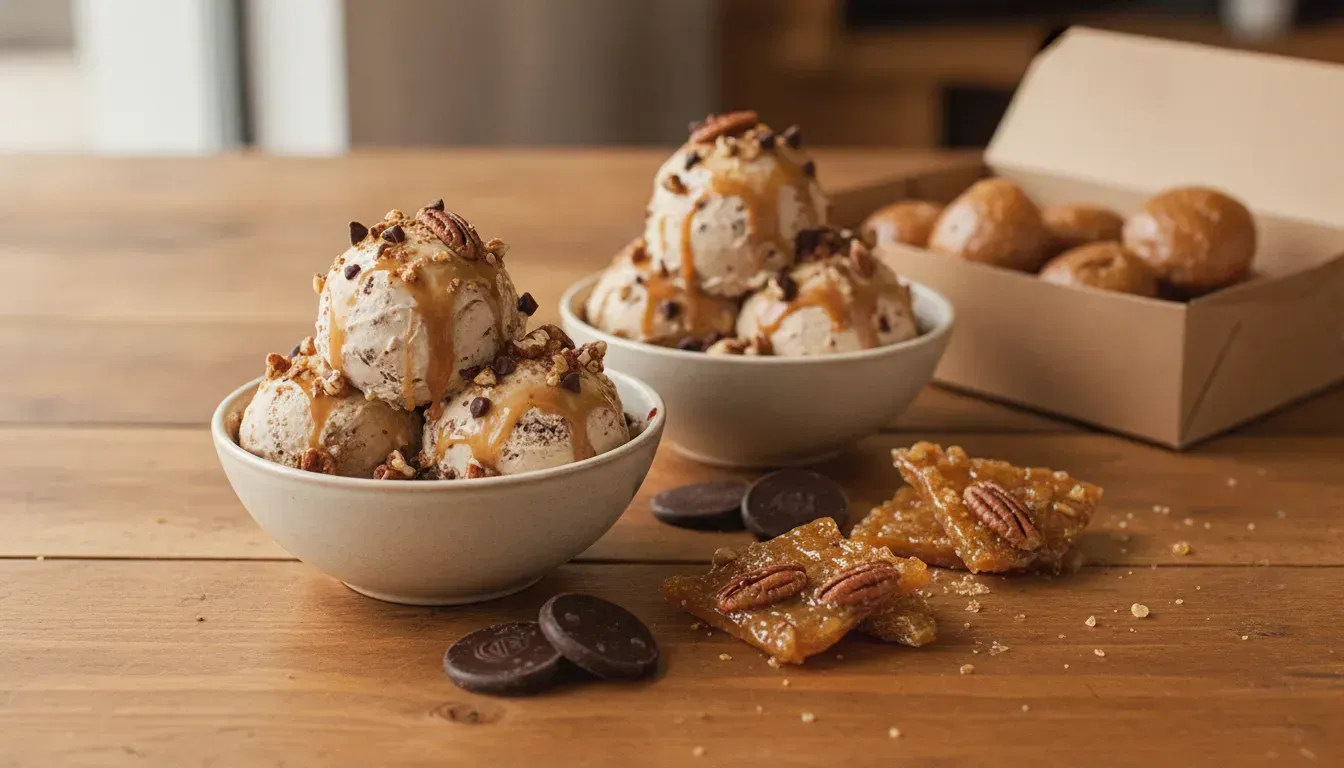
For a shopper, the simplest way to compare them is to look beyond color and focus on texture, format, and ingredients. Pecan Jacks brings the same spirit of discovery to handcrafted ice cream and Southern confections, including pralines, brittles, and chocolates. Explore Pecan Jacks sauces for current product details, then keep reading to see how candy-making stages shape the sweets you enjoy.
What is the difference between caramels and toffees?
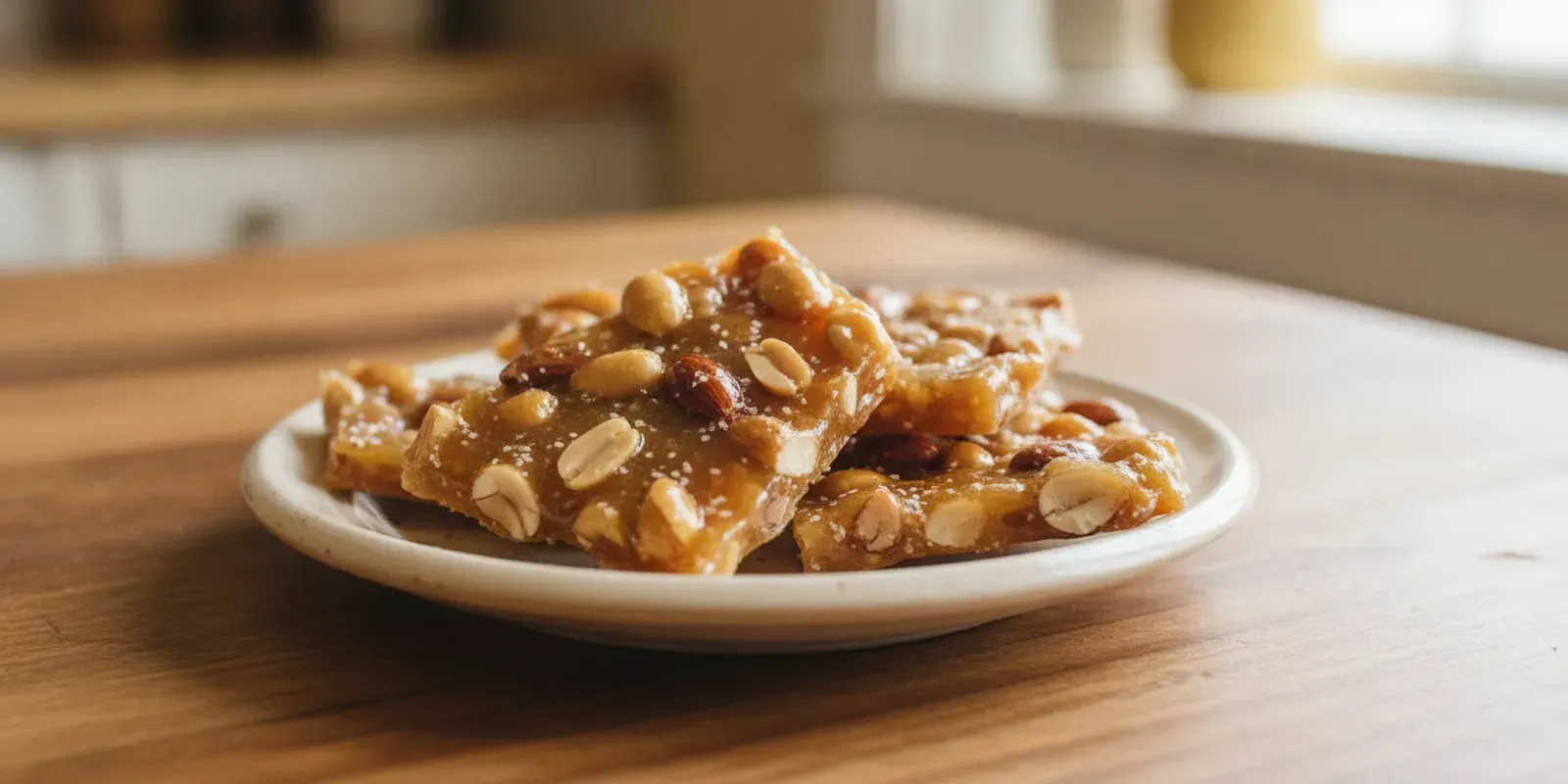
The clearest difference between caramels and toffees is the texture created by their usual formulas and cooking endpoints. Caramel commonly stays soft, chewy, creamy, or pourable. Toffee is generally cooked farther, so it cools into a firmer candy with a crisp break. Those are useful patterns, not absolute rules. Recipes, thickness, inclusions, and handling can all change the finished bite.
Cooking stage helps explain why the names feel so different. Caramel is commonly associated with the firm-ball range, around 245 to 250 F at sea level. While toffee is commonly associated with the soft-crack range, around 270 to 284 F at sea level. As water evaporates, the sugar mixture becomes more concentrated and sets harder. The exact method still varies from one confection to another.
Caramel and toffee comparison
- Common ingredients: Caramel: Sugar, often with cream, butter, or another dairy ingredient. Toffee: Sugar and butter in many traditional recipes.
- Typical cooking pattern: Caramel: Often finished around the firm-ball stage, depending on the recipe. Toffee: Often cooked to the soft-crack stage for a firmer set.
- Expected texture: Caramel: Soft, chewy, creamy, or pourable. Toffee: Firm, crisp, buttery, and likely to snap.
- Common formats: Caramel: Sauce, filling, topping, or individual candy. Toffee: Pieces, shards, slabs, or a chocolate-coated layer.
- Best comparison clue: Caramel: Look for words such as sauce, soft, chewy, or creamy. Toffee: Look for words such as crisp, crunchy, snap, or brittle-like.
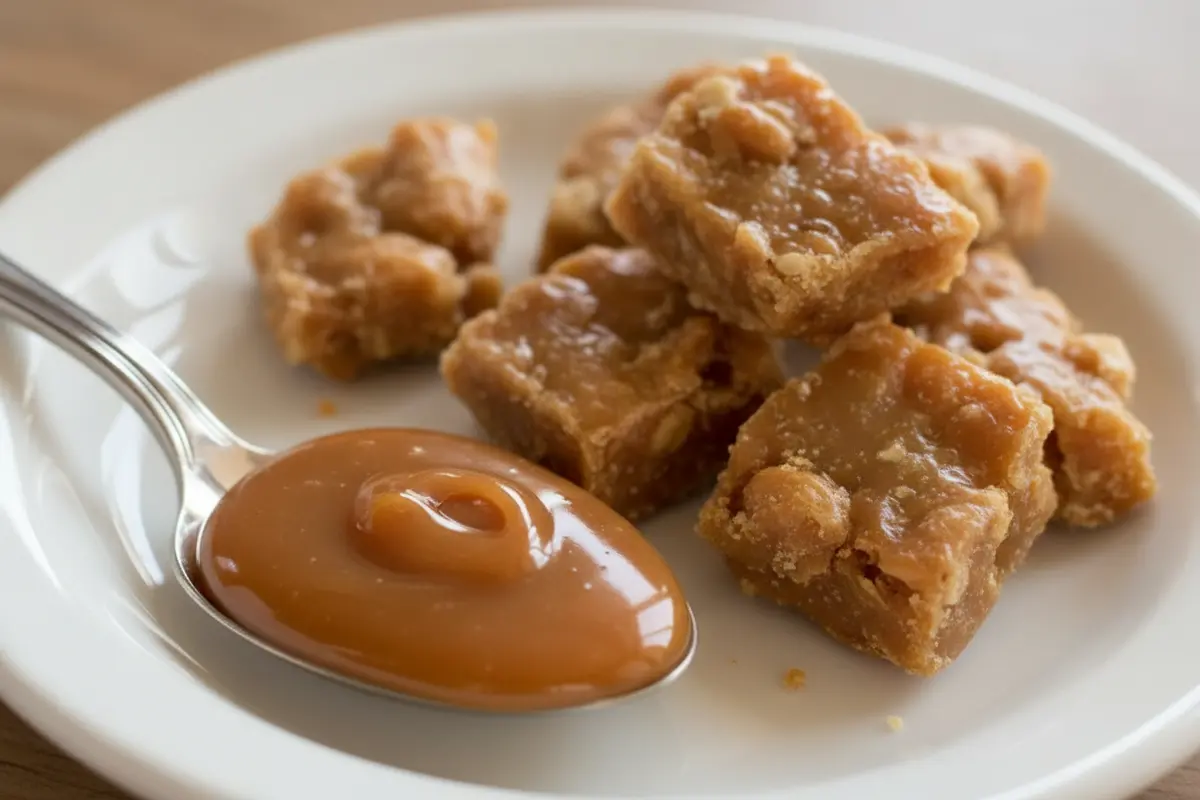
Format is often the most practical clue when you are shopping. A caramel sauce is designed to be spooned or drizzled, while a firm toffee piece is meant to be portioned and eaten. The ingredient list can add context. But it should not be treated as a verdict because both sweets rely on sugar and may include butter, dairy, chocolate, nuts, or flavorings.
If you are exploring caramel in a pourable format, review the current details for Pecan Jacks sauces. The page is the best place to confirm what is currently offered rather than assuming that every caramel style is available. For any candy, compare the product description, texture language, and intended use. That approach gives you a more reliable answer than color or the name alone.
How does the difference between caramels and toffees affect texture?
The difference between caramels and toffees becomes clearest when you look at what happens to water during cooking. A sugar mixture starts with moisture from water, cream, or other ingredients. As it heats, water evaporates, the syrup becomes more concentrated, and the finished candy becomes firmer. More moisture usually leaves a softer result, while boiling away more water can produce a harder bite.
That is why two candies with similar golden color can feel completely different. A caramel may stay soft, creamy, or chewy because its formula retains enough moisture and is cooled at the right point. A toffee is generally cooked further, so less moisture remains when the mixture is poured and allowed to set. The texture is a result of the whole formula and process, not the name alone.
How does water concentration change the bite?
Think of evaporation as concentrating the sugar. Early in cooking, the mixture contains more water and flows easily. Continued heating drives off moisture and increases the sugar concentration. If the mixture is stopped sooner, it can cool into a softer candy. If it stays on the heat longer, the reduced moisture supports a firmer, more breakable texture.
This is also why cooking requires attention near the endpoint. A concentrated syrup can heat rapidly, and a small change in evaporation can shift the final bite. The pan, batch size, ingredients, and local conditions all matter, so there is no single formula that guarantees the same texture for every kitchen.
What do firm-ball and soft-crack stages tell you?
Stage names describe how cooked syrup behaves after a sample cools. At the firm-ball stage, commonly associated with caramel, a cooled sample forms a firm but malleable ball. Reference ranges commonly place this stage around 245 to 250 degrees Fahrenheit, although temperature guidance can vary with conditions and elevation. That endpoint helps explain why caramel can hold its shape while still yielding when bitten.
Toffee is commonly associated with the soft-crack stage, listed in one extension guide at about 270 to 284 degrees Fahrenheit at sea level. At that higher endpoint, more water has evaporated, so the cooled candy is more likely to pull into a firm piece, crack, or snap instead of stretching. The exact result still depends on thickness, butter or dairy content, stirring, cooling, and handling.
For shoppers, the practical takeaway is simple: choose caramel when you want a soft or chewy experience, and look for toffee when you want a crisp break. Product descriptions that mention sauce, chew, crunch, or snap are often more useful than the candy label by itself.
Which ingredients and cooking details create each texture?
Texture starts with the sugar mixture, but the finish depends on what joins it and how far it cooks. Caramel commonly begins with sugar and water made into a syrup. As the syrup heats, water evaporates and the sugar concentration rises. Cream, butter, or another dairy ingredient may be added, bringing richness and helping create a soft, chewy, or pourable result.
Caramelization contributes the familiar toasted sweetness and deeper color. It is a result of cooking the sugars appropriately, not simply a flavoring added at the end. After cooking, the syrup also needs to cool properly. A caramel that remains fluid has a different balance and endpoint from one cooled into a piece that bends or yields when bitten.
A useful analysis point is the firm-ball stage. Caramel is commonly associated with roughly 245 to 250 F, though the exact target varies by formula, equipment, and elevation. At that point, a cooled sample can form a firm but malleable ball. It gives a practical explanation for why caramel can hold its shape while still feeling tender.
Toffee follows a firmer path. Many traditional versions cook sugar with butter, allowing the mixture to concentrate until it reaches a soft-crack finish. A sea-level reference range of about 270 to 284 F illustrates the difference from a typical caramel endpoint. The higher finish removes more moisture, so the cooled candy is more likely to break cleanly, snap, or crunch rather than stretch.
- Caramel: sugar syrup, often with dairy or butter, cooked for a soft or chewy set.
- Toffee: sugar and butter commonly cooked further for a firm, crisp finish.
- Both: small changes in water, heat, thickness, and cooling can change the final texture.
These are useful patterns, not a complete recipe or a rule for every confection. A candy maker may adjust ingredients and cooking stages to create a particular consistency. That is why the difference between caramels and toffees is easiest to understand through both the ingredient list and the texture the finished sweet promises.
How can shoppers compare format and ingredients?
Start with the format, then read the ingredient list. A sauce, a soft chew, a crisp piece, and a chocolate-covered confection may all feature caramel notes, but they deliver very different eating experiences. The difference between caramels and toffees is easier to spot when you first ask how the sweet is meant to be served.
Is it a sauce or a soft chew?
A caramel sauce is fluid or spoonable, making it a topping or dessert component rather than a piece of candy designed to hold its shape. A soft caramel is portioned to be picked up and chewed. When comparing labels, look for clues about the format, such as sauce, topping, chew, or individually formed candy. Ingredients can then explain the flavor, but the format tells you how the product fits into your day.
Pecan Jacks' current caramel sauces page is the best place to check what sauce options are listed now. Product availability can change, so treat the live catalog as the source of truth instead of assuming every caramel style is always offered.
What makes crisp pieces different?
Toffee is generally associated with a firmer, crisp or brittle bite. On a label, shoppers may see ingredients such as sugar and butter, along with additions that provide nuts, chocolate, or other flavor accents. The exact formula varies, so do not rely on one ingredient alone to identify a confection. Instead, pair the ingredient list with the product description and texture language.
If you want a chocolate format rather than a plain caramel or toffee experience, browse Pecan Jacks chocolates. Chocolate can surround, coat, or complement a candy center, so check whether the listing describes the center and the finished format separately.
Where do pralines fit?
Pralines deserve their own category in a shopper comparison. Their nutty, confectionary character is different from both a spoonable sauce and a crisp toffee piece. Explore the Southern pralines collection when you want a nut-forward confection and compare the product description with your preferred softness, richness, and serving style.
Choose by use first: sauce for spooning, chew for a soft bite, crisp pieces for texture, chocolate for a layered treat, and pralines for a nutty Southern-style option. That simple filter keeps label reading practical without assuming that every recipe or product uses the same ingredients.
When do caramel, chocolate, praline, or ice cream gifts fit best?
The best sweet gift reflects how the recipient enjoys dessert. A soft caramel sauce suits someone who likes adding a finishing touch, while chocolate offers a ready-to-enjoy treat.
Pralines suit recipients who enjoy traditional Southern candy. If they prefer a cool dessert, explore Pecan Jacks ice cream and match the format to the occasion.
Match the format to the moment
- For a host or dinner invitation: A chocolate or praline selection is easy to appreciate after a meal, especially when you know the recipient enjoys classic confections.
- For a birthday or family celebration: Ice cream creates a shared dessert moment. Choose flavors with the group in mind rather than focusing only on the most adventurous option.
- For a thank-you or client gesture: Start with the recipient's preferences and the setting. Pecan Jacks offers corporate gifting and event services, so its small-batch gourmet candy gifts may be a useful place to compare ideas.
- For a caramel enthusiast: Check the current Pecan Jacks sauces selection. The page is the right source for current caramel sauce details, rather than assuming a particular candy or flavor is in stock.
Browse Pecan Jacks chocolates or Southern pralines, then confirm current options. For a local celebration, use the Pecan Jacks locations page to plan a visit.
How should you pair, serve, or store these sweets?
Let texture lead the pairing. A smooth caramel sauce brings moisture and richness to cool, creamy desserts, while a chewy caramel works best as a standalone bite or alongside something crisp. Try a small drizzle over Pecan Jacks ice cream, or serve the sauce separately so each person can choose the amount.
Crisp toffee adds contrast beside softer sweets. Chocolate and pralines bring their own formats, so compare each product by its texture and description.
How can you protect the texture?
Moisture and heat are the main texture concerns. Keep crisp toffee away from humid conditions and moist desserts until serving, since absorbed moisture can soften its snap. Store chewy caramels according to the product's instructions, particularly if they are individually wrapped or prone to sticking. Sauces should remain closed between uses and handled according to their label guidance.
For a gathering, keep sauces apart from dry candy and add crisp toppings just before serving. Check current details before planning a specific assortment.
Find a Pecan Jacks location for your sweets
Frequently Asked Questions
What is the simplest way to tell caramel and toffee apart?
Start with texture and format. Caramel is usually soft, chewy, or spoonable, while toffee is generally firmer and breaks into crisp or brittle pieces. Recipes vary, so the finished texture is a useful shopping clue, not an absolute rule.
Are caramel and toffee made with the same ingredients?
Both begin with cooked sugar, but the full ingredient list can differ. Caramel commonly includes dairy ingredients that help create a creamy, chewy texture. Toffee often relies on butter and sugar cooked longer for a firmer, snappier result. Add-ins such as nuts, chocolate, salt, or flavorings depend on the recipe.
Why is toffee usually harder than caramel?
Toffee is typically cooked to a later candy-making stage, which removes more moisture and concentrates the sugar mixture. That helps it set firm and crack when cooled. Caramel is generally cooked to a softer stage, then cooled into a texture that stays pliable or creamy.
Which should I choose for a gift?
Choose caramel for a soft bite or sauce, and toffee for crisp texture. For more options, explore Pecan Jacks' chocolates and pralines, then review current details before selecting a gift.
Does Pecan Jacks currently offer caramel or toffee?
Availability can change by location and season. Check current product pages or a store before planning around a specific item. Pecan Jacks offers handcrafted ice cream and Southern confections, including pralines, brittles, and chocolates.
Ready to Explore Pecan Jacks?
Now that you know how caramels and toffees differ, you can choose a texture and format that suits your next sweet treat or occasion. Explore current Pecan Jacks options, then use the locations page to find a shop and plan a visit. Explore Pecan Jacks locations and get started with a closer look at what is available near you.