How to Make Melt-in-Your-Mouth Southern Pecan Pralines

Cory Mosley is the Vice President of Growth for Pecan Jacks. He supports franchise growth and brand strategy while helping protect the quality behind every scoop, bringing “A Sweet Day Is A Bite Away®” philosophy to customers across the country.
Every classic recipe has a story, and the one behind southern pecan pralines is as rich as the candy itself. This beloved confection traveled from French kitchens to the American South, where resourceful cooks swapped almonds for plentiful native pecans and added cream to create the fudgy treat we know today. Making pralines is more than just a kitchen project; it’s a way to connect with a piece of culinary history. It’s a tradition of hospitality, passed down through generations. In this guide, we’ll honor that history by showing you how to make them the authentic way, from understanding the ingredients to mastering the classic technique.
Key Takeaways
- Nail the texture by watching the temperature: The secret to a creamy, melt-in-your-mouth praline is cooking the sugar mixture to the "soft ball" stage, which is around 236°F. Using a candy thermometer is the most reliable way to prevent a grainy or hard result.
- Master the post-heat stirring technique: Once the pot is off the stove, your stirring technique is what creates that signature fudgy consistency. Stirring constantly until the mixture loses its glossy shine encourages the formation of tiny sugar crystals, which is exactly what you want.
- Embrace imperfections and get creative: If a batch turns out too soft, you've just made a delicious ice cream topping. Once you're comfortable with the classic recipe, try adding bourbon, chocolate, or different spices to make the pralines uniquely yours.
What Exactly Is a Southern Pecan Praline?
If you’ve ever stepped into a Southern candy kitchen, you know the incredible aroma of butter, sugar, and toasted nuts that hangs in the air. At the heart of that sweet scent is often the star of the show: the pecan praline. But what makes this confection so special? It’s more than just a piece of candy; it’s a unique treat with a specific texture and form that sets it apart from other sweets. A true Southern praline is an experience, a perfect balance of creamy, crunchy, and sweet that has been cherished for generations. Let’s break down what makes this iconic treat a true Southern classic.
Defining That Perfect, Melt-in-Your-Mouth Texture
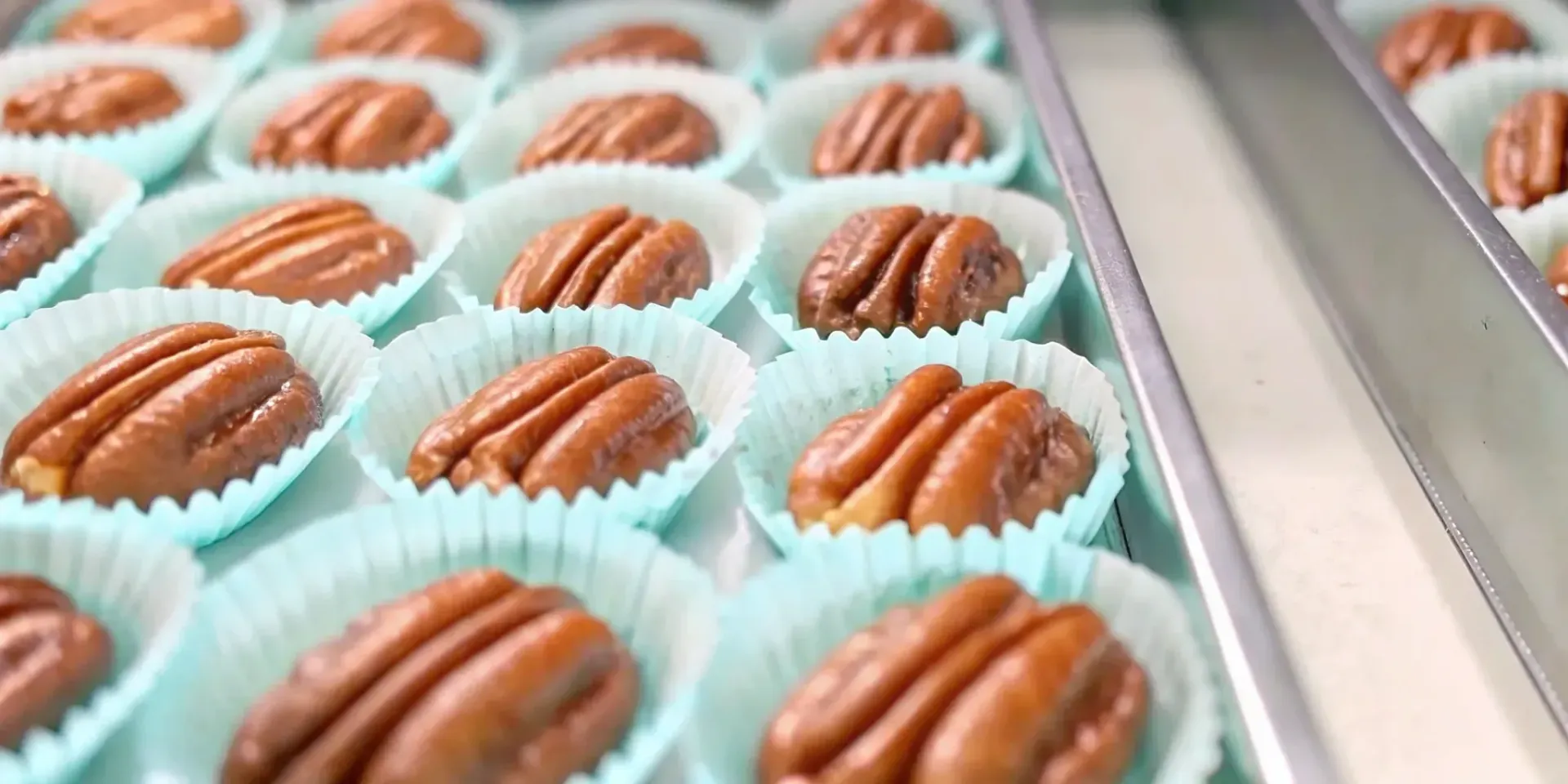
Imagine a candy that’s not quite a cookie, but not just a hard candy either. That’s the magic of a praline. The perfect praline has a delicate, crumbly, and creamy consistency that simply melts in your mouth. It delivers a rich butter and caramel flavor, created by carefully cooking down sugar, butter, and milk. The crunchy pecan halves studded throughout provide a wonderful contrast to the smooth, fudgy base. It’s a texture we’ve worked hard to perfect in our own authentic southern pralines, ensuring every bite is as heavenly as the last.
How Pralines Differ from Other Southern Candies
With so many delicious pecan treats available, it’s easy to get them mixed up. You might see candied pecans, pecan clusters, or pecan brittle, but a praline is its own unique creation. Unlike simple sugared pecans, which are individual nuts with a crunchy coating, pralines are distinct, cookie-like patties. The pecans are suspended within the creamy candy base itself, not just coated by it. This special form comes from a specific recipe of sugar, corn syrup, milk, butter, and pecan halves, cooked to a precise temperature to create that signature melt-in-your-mouth texture.
A Sweet History of Southern Pralines
Before you master the art of making your own pralines, it helps to know a little about where this iconic Southern candy comes from. The story is as rich and sweet as the treat itself, traveling across oceans and evolving with the ingredients and ingenuity of the American South. It’s a history that explains why this simple combination of sugar, cream, and pecans holds such a special place in so many hearts.
From French Kitchens to the American South
The praline’s journey began in 17th-century France. The original confection was a simple treat of almonds coated in caramelized sugar, created for a French diplomat. When French settlers brought the recipe to Louisiana, it underwent a delicious transformation. In the New World, almonds were scarce, but pecan trees were plentiful. Creative cooks, particularly the enslaved women running plantation kitchens, adapted the recipe by swapping almonds for native pecans. They also added cream to the mixture, which created the soft, fudge-like texture that defines the Southern praline we know and love today. This resourceful adaptation turned a simple French candy into a uniquely American classic.
Why Pralines Are a Southern Staple
Pralines quickly became a fixture in Southern culture because they were born from the region's own landscape. The use of local pecans made them an accessible and affordable treat for many families. Over time, they became more than just a candy; they became a symbol of Southern hospitality and tradition. You’ll find them in candy kitchens from Savannah to New Orleans, often made from recipes passed down through generations. Making and sharing pralines is a cherished ritual, representing a sweet piece of Southern heritage. It’s a tradition we’re proud to continue at Pecan Jacks, where every batch is a nod to this rich history.
Gather Your Ingredients for Authentic Pralines
Before you even think about turning on the stove, let’s talk about what goes into a truly fantastic praline. Like any classic recipe, the magic is in the ingredients. Using high-quality, fresh components is the difference between a decent candy and a praline that people will talk about for weeks. You don’t need a long list of fancy items, just the right ones. We’re aiming for that perfect balance of creamy, nutty, and sweet, and it all starts with what you put in your shopping cart.
How Each Ingredient Creates the Perfect Bite
To get that signature melt-in-your-mouth texture, every ingredient has a job to do. The stars are, of course, the pecans, which we’ll get to in a moment. Then you have your sugars, butter, and dairy. Most traditional recipes call for a mix of granulated and brown sugar, which prevents a grainy texture and adds a wonderful depth of flavor. Salted butter and a pinch of salt balance the sweetness, while evaporated milk or heavy cream gives the pralines their creamy base. A splash of vanilla extract at the end ties everything together. Some recipes suggest heavy whipping cream to make your pralines extra creamy, but evaporated milk or half-and-half also work beautifully.
How to Pick the Best Pecans
Let’s be honest: the pecans are the main event. This isn’t the place to use up that old bag of nuts from the back of your pantry. You want fresh, flavorful pecans that will toast up beautifully in the hot sugar mixture. Look for pecan halves rather than pieces, as they give your pralines a more satisfying crunch and a classic look. We believe in using the best ingredients, a value that comes from our own rich family history. When you choose great pecans, you’re setting yourself up for success and honoring the tradition of this beloved Southern treat.
Does the Type of Sugar Really Matter?
Yes, it absolutely does! The type of sugar you use has a huge impact on both the flavor and texture of your pralines. Using only white granulated sugar can sometimes lead to a grainy candy. That’s why so many authentic recipes call for a combination of white and light brown sugar. The brown sugar contains molasses, which adds moisture and a subtle caramel flavor. This moisture is key to preventing sugar crystals from forming, helping you achieve that smooth, creamy consistency we all crave. If a recipe includes brown sugar, it’s a good sign that it has deep Southern roots and is aiming for that classic praline perfection.
How to Make Perfect Southern Pecan Pralines
Making authentic Southern pralines is a rewarding kitchen project that feels like a little bit of magic. It’s a process that relies on science, specifically temperature and timing, to transform simple ingredients into a creamy, pecan-studded confection. While we’ve spent years perfecting our authentic Southern pralines at Pecan Jacks, I’m here to share the fundamental steps so you can bring this classic treat into your own home. Don’t be intimidated by the candy thermometer; think of it as your guide to creating that perfect, melt-in-your-mouth texture. With a little patience and the right technique, you’ll be dropping perfect pralines in no time.
Get Your Kitchen Tools Ready
Before you even think about touching the sugar, let’s get your workspace set up for success. The most important tool in your praline-making arsenal is a candy thermometer. Precision is everything when you’re working with sugar, and a thermometer removes all the guesswork, ensuring your mixture reaches the exact temperature for the perfect set. If you don’t have one, you can use the cold water test, but a thermometer is far more reliable. You’ll also want a heavy-bottomed saucepan to prevent scorching, a wooden spoon for stirring, and sheets of parchment or wax paper laid out and ready for your finished pralines. Having everything in its place means you can move smoothly and quickly when the time comes.
A Step-by-Step Guide to Cooking Pralines
Once your tools and ingredients are ready, the cooking process moves pretty fast. First, combine your sugar, butter, and milk or cream in your heavy-bottomed saucepan. Clip your candy thermometer to the side of the pot, making sure the tip is submerged but not touching the bottom. Heat the mixture over medium heat, stirring constantly until it comes to a rolling boil. Continue to stir and watch the temperature closely until it reaches 236°F. This is the moment of truth! Immediately remove the pot from the heat and stir in your pecans, salt, and vanilla. Keep stirring for a couple of minutes until the mixture just begins to thicken and lose its glossy sheen. Then, working quickly, drop spoonfuls onto your prepared parchment paper.
Mastering the Crucial "Soft Ball" Stage
So, what’s the big deal with 236°F? In the world of candy making, this is known as the "soft ball" stage. It’s the precise point where the sugar concentration is perfect for creating a praline that is soft and creamy, not gritty or rock-hard. The name comes from a simple test: if you were to drop a bit of the hot syrup into a bowl of cold water, it would form a soft, pliable ball. This specific temperature ensures the sugar crystals form in just the right way as the candy cools. Hitting this mark is the true secret to making candy with the ideal texture, and it’s what gives a Southern praline its signature creamy bite that melts in your mouth.
What's the Right Temperature for Cooking Pralines?
Getting the temperature just right is the secret to making incredible pralines. It’s the single most important factor that determines whether your candy will be creamy and smooth or sugary and grainy. While it might sound a little scientific, it’s really just about paying close attention at a key moment in the cooking process. Think of it as the turning point where simple ingredients transform into a truly special Southern treat. Whether you’re using a special thermometer or just your eyes, knowing what to look for will help you nail that perfect, melt-in-your-mouth texture every single time.
Using a Candy Thermometer the Right Way
If you want to take the guesswork out of making pralines, a candy thermometer is your best friend. Accuracy is key, and this simple tool ensures you hit the perfect temperature for the sugar to set correctly. Clip it to the side of your pot, making sure the tip is submerged in the sugar mixture but not touching the bottom of the pan. You’ll want to cook the mixture until it reaches 236°F. This is known as the soft ball stage in candy making, and it’s the magic number for creating pralines that are firm enough to hold their shape but soft enough to dissolve beautifully on your tongue.
No Thermometer? Here’s What to Look For
Don’t have a candy thermometer? Don’t worry, you can still make amazing pralines by learning to read the visual cues. Generations of Southern cooks have relied on their eyes to get it right. As the sugar mixture boils, it will thicken and the bubbles will become slower and larger. You’re looking for the moment it becomes syrupy and a bit glossy. Some cooks even use the cold water test: drop a small bit of the mixture into a glass of cold water. If it forms a soft, pliable ball, you’re ready. You can also learn to visually identify the right stage. Once you take it off the heat and stir in the pecans, let it sit for just a minute to thicken slightly before scooping.
Why Did My Pralines Turn Out Grainy or Hard?
It’s one of the most common frustrations in candy making: you follow a recipe to the letter, but your pralines end up with a sandy, grainy texture or become hard as a rock. Don’t hang up your apron just yet! This usually happens because of a few tiny, easy-to-fix missteps related to temperature, stirring, or timing. Once you know what to look for, you’ll be able to troubleshoot your way to that perfect, creamy, melt-in-your-mouth praline.
At Pecan Jacks, we’ve made thousands of pralines, and we’ve learned a thing or two about what makes them turn out just right. Let’s walk through the most common issues and how to solve them so your next batch is your best one yet.
Avoiding Common Temperature and Timing Mistakes
The number one culprit behind grainy pralines is improper sugar crystallization, which is all about temperature. If the sugar syrup doesn’t reach the right temperature or cools down too quickly, large sugar crystals form, giving you that dreaded gritty texture. The best way to avoid this is to use a candy thermometer. It takes all the guesswork out of the process and ensures your sugar reaches the "soft ball" stage (around 235°F to 240°F) perfectly. Using a combination of white and brown sugar also helps create a smoother final product with a richer flavor. Rushing the process is a recipe for disaster, so let the thermometer be your guide.
The Secret to Proper Stirring
Once your praline mixture reaches the correct temperature and you take it off the heat, the stirring phase begins. This step is just as critical as the cooking phase. How you stir determines the final texture. You want to stir the mixture constantly and vigorously with a wooden spoon or rubber spatula for about three to four minutes. This action encourages the formation of very small sugar crystals, which is what gives a praline its signature creamy, fudge-like consistency. If you don't stir enough, the crystals will be too large (hello, graininess). If you stir for too long, the candy will seize up and become too firm in the pot before you can scoop it.
How to Work Quickly Before the Mixture Sets
Praline making is a race against the clock once the pot comes off the stove. The mixture will begin to thicken and set very quickly, so you need to have everything ready to go before you even start cooking. Prepare your baking sheets with parchment paper and have your scoop or spoons within arm's reach. As soon as the mixture loses its glossy sheen and starts to look a bit matte, it’s time to scoop. You have to move fast to portion out all the pralines before the candy hardens in the pot. If you’re prepared, you can work efficiently and get beautifully shaped pralines that set perfectly every time.
Tips for Foolproof Pralines, Every Time
Even the most seasoned candy makers run into a little trouble now and then. The good news is that most praline problems are easy to fix, and even the "mistakes" are delicious. Here are a few tips to help you get that perfect, creamy texture every single time, so you can feel confident in your candy-making skills.
Why Humidity Is Your Enemy (And What to Do About It)
Let's talk about the weather. Believe it or not, humidity is the secret villain of praline making. All that moisture in the air can prevent the sugar from crystallizing correctly, leaving you with a grainy, disappointing texture instead of a smooth one. The best advice is to choose a dry day for your candy-making adventure. If you live in a humid climate (we get it!) and the craving strikes, try running a dehumidifier in your kitchen for a little while before you start. It can make all the difference between a good praline and a great one.
Quick Fixes for Common Texture Problems
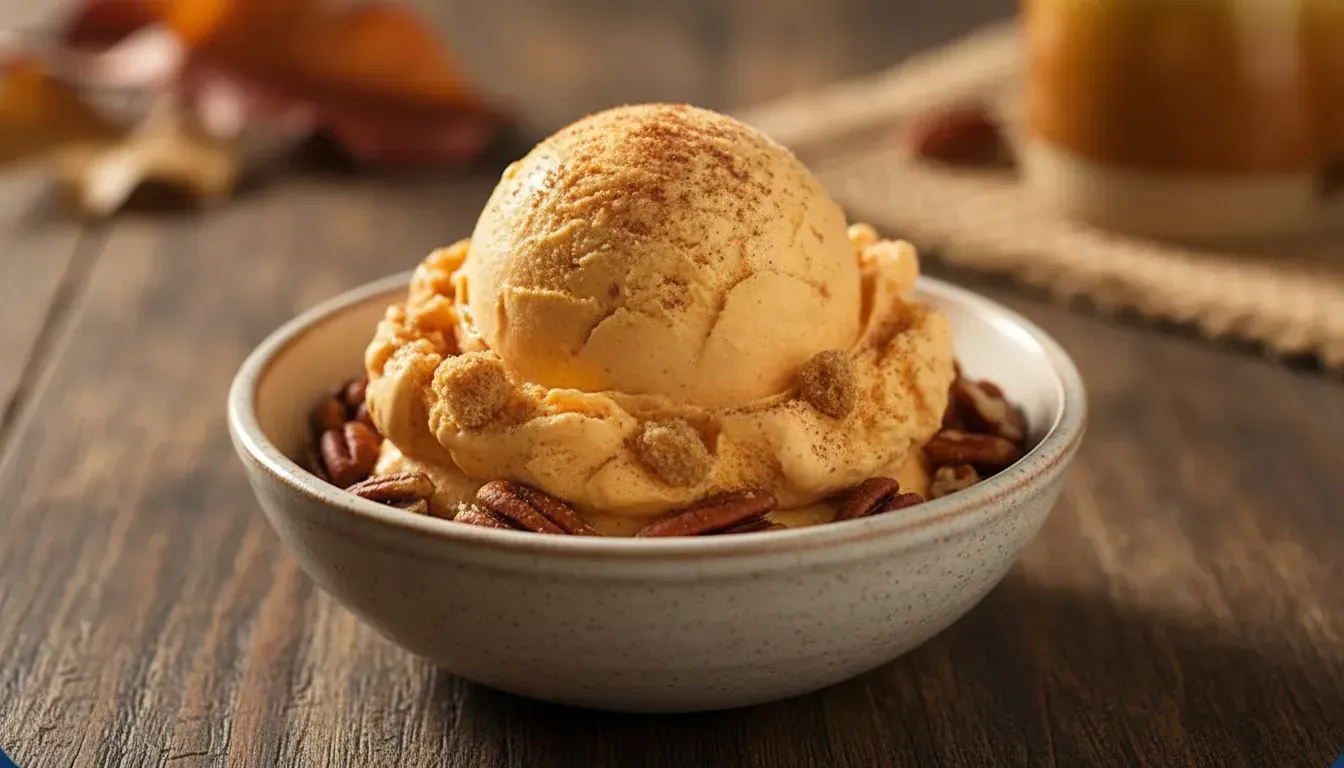
So, your pralines didn't set quite right. Don't toss them! If they're a bit too gooey, you've just made a fantastic ice cream topping. Seriously, spoon that deliciousness over a scoop of our gourmet vanilla ice cream and call it a win. If they're too crumbly, chop them up and mix them right into softened ice cream for a custom flavor. If you notice the mixture spreading too thin on the parchment paper, the fix is simple: just stir the pot a little longer next time before you start spooning. A bit more stirring helps the candy firm up.
Letting Your Pralines Cool and Set Perfectly
Patience is the final ingredient in any good praline recipe. Once you’ve spooned your pralines onto the parchment paper, you need to let them be. They should be firm enough to handle in about an hour, but they’ll continue to set and reach their perfect texture if you let them rest overnight. Once they’re fully set, you can store them in an airtight container at room temperature for up to two weeks. If you want to save them for later, they also freeze beautifully for up to two months. Of course, if you can't wait that long, you can always order our authentic pralines to enjoy right away.
Putting a Twist on the Classic Praline
Once you’ve mastered the classic Southern pecan praline, you can start having fun with the recipe. A few simple additions or swaps can create a completely new flavor experience, turning your kitchen into your very own candy lab. These variations are perfect for personalizing your pralines for gifts or just finding your new favorite combination.
Add a Little Something Extra: Bourbon and Chocolate
If you want to give your pralines a sophisticated, grown-up twist, a little bourbon is the way to go. Adding a splash of bourbon along with the vanilla extract infuses the candy with a warm, oaky depth that beautifully complements the sweet caramel and toasted pecans. For a more decadent treat, try stirring in a handful of high-quality chocolate chips right after you remove the pot from the heat. The residual warmth will melt them just enough to create rich, fudgy swirls throughout the praline. These bourbon pecan pralines are perfect for holiday gatherings or as a special after-dinner sweet.
Experimenting with Different Nuts and Spices
While pecans are the traditional choice, don't be afraid to experiment with other nuts. Toasted walnuts can add a pleasant, earthy bitterness that balances the sweetness, while buttery macadamia nuts can give your pralines a tropical flair. You can also introduce new flavors by adding a dash of spice to the sugar mixture. A bit of cinnamon or nutmeg will add a cozy warmth, while a pinch of cardamom can provide a unique, aromatic touch. For the more adventurous, a tiny pinch of cayenne pepper creates a delightful sweet heat that will have everyone talking. Learning about flavor pairings can inspire all sorts of creative combinations.
Try Dark Brown Sugar for a Richer Flavor
One of the easiest ways to change the flavor profile of your pralines is to swap your sugar. If your recipe calls for light brown sugar, try using dark brown sugar instead. Because it contains more molasses, dark brown sugar will give your pralines a deeper, more complex caramel flavor with hints of toffee. This simple substitution can make a significant difference, resulting in a richer, slightly softer candy. It’s a fantastic trick for when you want a more robust flavor without adding extra ingredients. Understanding the difference between sugars is a great way to become a more confident candy maker.
How to Store and Serve Your Pralines
You’ve done the hard work and created a batch of beautiful, delicious pralines. Now, let's make sure every single one stays as perfect as the moment it cooled. Whether you're saving them for yourself or planning to share the sweetness, here’s how to store and serve your creations so you can enjoy every last bite.
Keep Your Pralines Fresh for Days
The best way to maintain that perfect, melt-in-your-mouth texture is to store your pralines in an airtight container. If you're stacking them, it's a good idea to place a small piece of parchment paper between the layers to keep them from sticking together. Stored this way at room temperature, they’ll stay wonderfully fresh for up to two weeks, perfect for grabbing whenever a craving strikes. If you’ve made an extra-large batch, pralines also freeze beautifully. Just place them in a freezer-safe container or bag, and they’ll keep for up to two months. When you're ready for a treat, simply let them thaw on the counter.
Ideas for Gifting and Sharing Your Homemade Treats
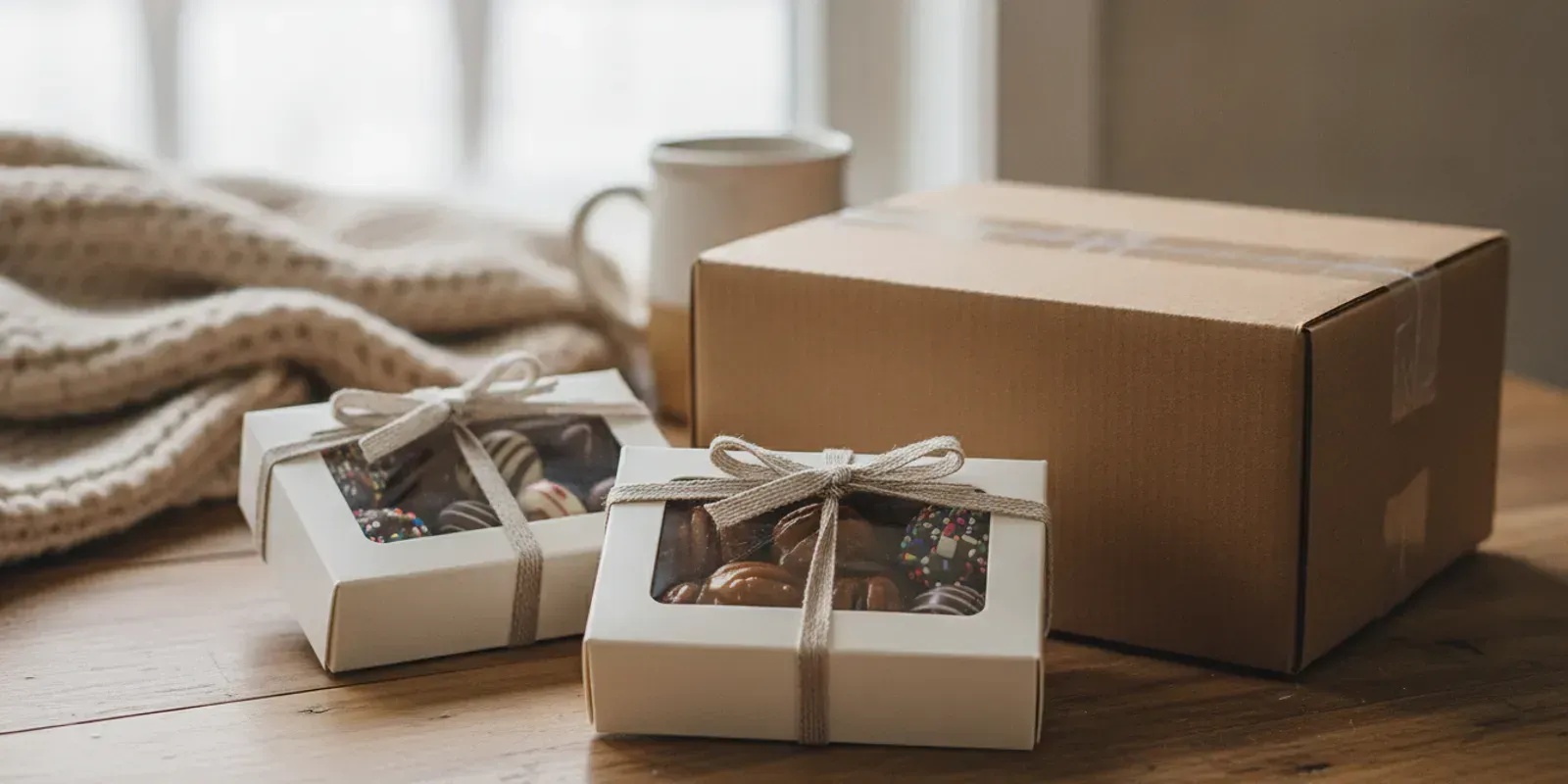
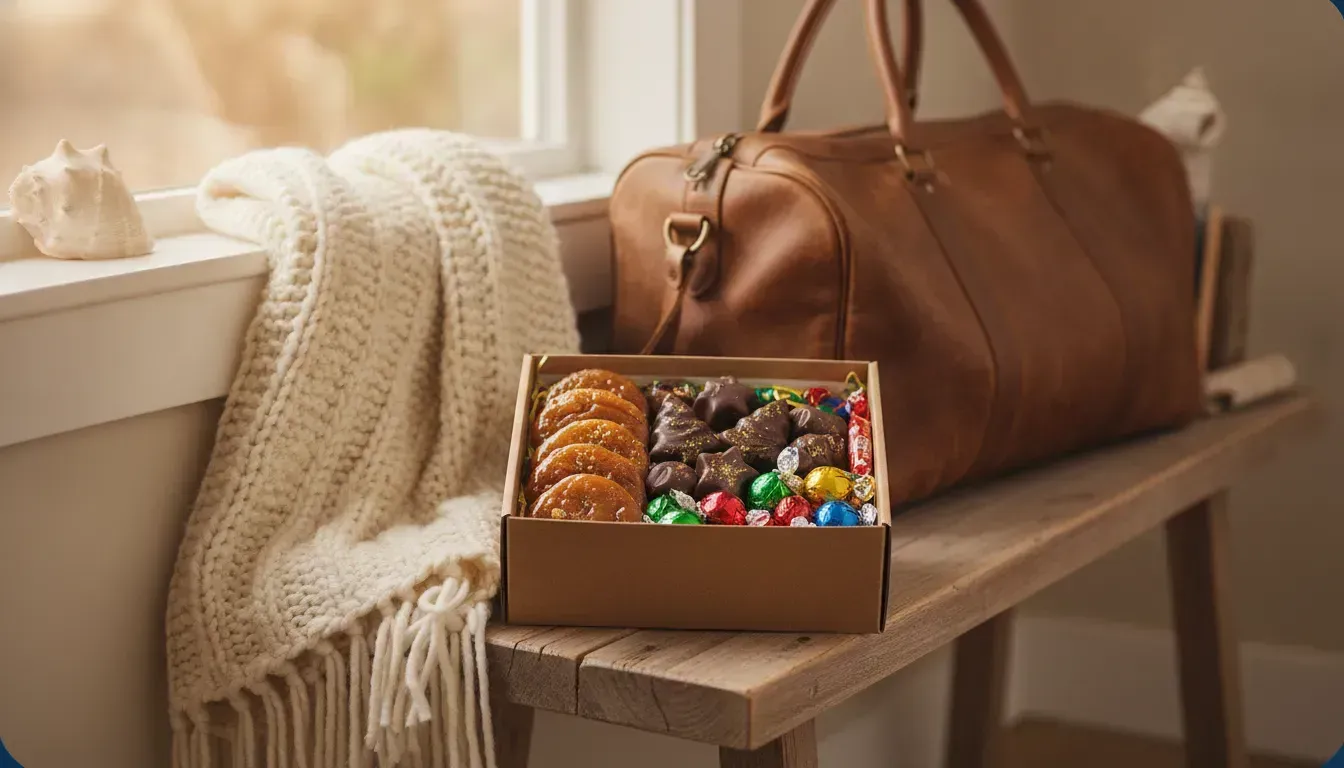
There’s nothing quite like sharing a homemade treat, and pralines make a thoughtful and impressive gift. Package them in a decorative tin or a clear bag tied with a ribbon for a beautiful presentation, perfect for hostess gifts, holiday exchanges, or just as a sweet thank-you. Beyond gifting, get creative in your own kitchen! Try chopping them up and sprinkling them over a bowl of our gourmet ice cream for a truly decadent dessert. They’re also a fantastic mix-in for brownie batter or cookie dough. You can even crumble them over yogurt for a special breakfast. And if you're ever short on time, you can always share the love by sending a box of authentic Southern pralines straight from our kitchen to theirs.
Related Articles
- Pecan Jacks Pralines - Classic, Rum, Bourbon & Assorted Varieties
- Pecan Jacks - Ice Cream, Southern Pralines, Brittle, and Chocolates
- Pecan Jacks Brittle
- Pecan Jacks Ice Cream & Candy Kitchen Brings Southern Sweetness to Texas with Rapid Expansion
- Pecan Jacks Gourmet Chocolates - Gift Boxes, Caramels & More!
Frequently Asked Questions
What's the single most important thing to get right when making pralines? Without a doubt, it’s the temperature. Getting your sugar mixture to the "soft ball" stage, which is right around 236°F, is what creates that signature creamy, melt-in-your-mouth texture. If you don't cook it long enough, the pralines won't set properly. If you cook it for too long, they can become hard and brittle. Using a candy thermometer is the most reliable way to hit this magic number.
My pralines are too soft and won't set. What did I do wrong? This almost always means the sugar mixture didn't get hot enough. If you pull it from the heat before it reaches that crucial 236°F, there isn't enough water evaporated for the sugar to crystallize and set firmly. High humidity can also be a factor, making it harder for the candy to set. Don't throw them out, though; a soft, gooey praline mixture makes an absolutely incredible topping for a bowl of vanilla ice cream.
How is a praline different from other pecan candies? The main difference is the texture and form. A true Southern praline is a creamy, fudge-like patty with pecans suspended inside it. Other treats, like candied or sugared pecans, are simply individual nuts coated in a hard, crunchy sugar shell. The praline's unique texture comes from a specific cooking process involving sugar, butter, and cream that creates a soft, meltable candy base.
Can I really make good pralines without a candy thermometer? Yes, you absolutely can. For generations, Southern cooks relied on visual cues to get their pralines just right. You can use the cold water test: drop a bit of the hot syrup into a glass of cold water, and if it forms a soft, pliable ball, it's ready. You can also watch the mixture itself. As it cooks, the bubbles will become larger and slower, and the syrup will look thick and glossy. It takes a little practice, but it's a great skill to learn.
What's the best way to store homemade pralines so they stay fresh? Once your pralines have cooled and set completely, place them in an airtight container. If you need to stack them, put a small piece of parchment or wax paper between the layers to prevent them from sticking. They will stay fresh at room temperature for up to two weeks. For longer storage, they also freeze wonderfully for a couple of months.