What Is a Praline? A Southern Treat, Explained
Cory Mosley is the Vice President of Growth for Pecan Jacks. He supports franchise growth and brand strategy while helping protect the quality behind every scoop, bringing “A Sweet Day Is A Bite Away®” philosophy to customers across the country.
Learn what a praline is, how the Southern candy differs from brittles and barks, and where to taste handcrafted pralines at Pecan Jacks in Alpharetta, Georgia.

Some candies carry a sense of place. Southern pralines are one of them: soft, pecan-filled confections shaped by French technique, New Orleans tradition, and the warm pleasure of sharing something sweet.
A praline is a Southern candy made with pecans, sugar, milk or cream, and butter, then cooked into a soft, creamy treat. At Pecan Jacks in Alpharetta, you can explore five varieties, including Classic Southern, Caribbean Rum, and Bourbon.
Browse our handcrafted pralines and see what makes the Southern version worth a taste.
The details matter, from the difference between a French nut candy and the American version to the many ways this confection can be enjoyed. Start with the definition, then see why Pecan Jacks makes a visit for its handcrafted Southern confections worth adding to your Alpharetta dessert plans.
What Is a Praline?
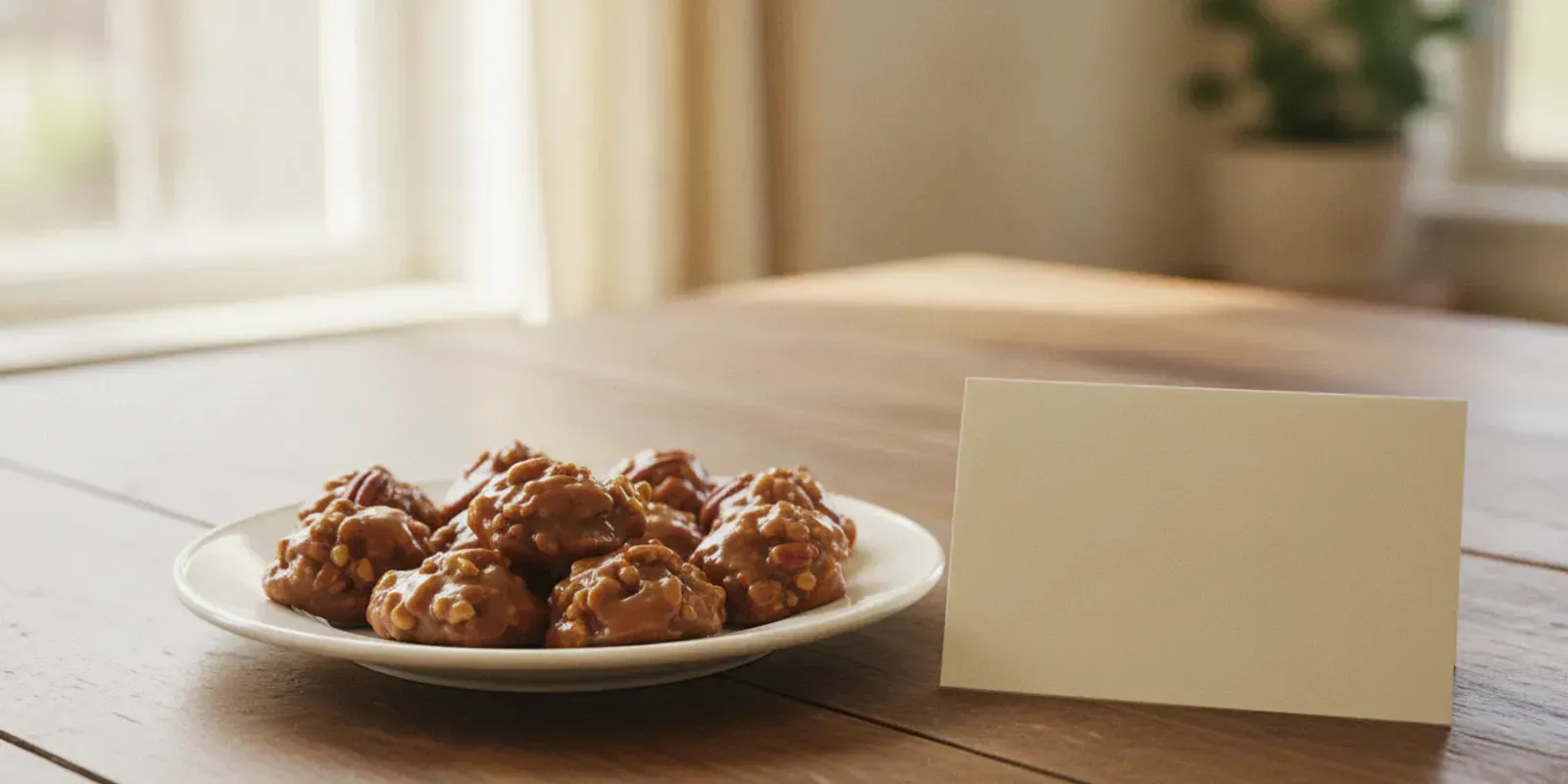
A praline is a Southern confection made with pecans, sugar, milk or cream, and butter. The mixture is cooked until it reaches a rich, candy-like consistency, then shaped into the soft, creamy pieces familiar across the American South. While the name has French roots, the praline most people picture today is distinctly Southern.
The defining ingredients are simple, but the finished candy has plenty of character. Pecans bring a toasted, buttery flavor and a satisfying crunch, while sugar creates the candy base. Milk or cream and butter soften the mixture, giving an American praline its smooth texture and rich finish. Depending on the recipe and cooking method, a praline may set with a tender crumble or remain pleasantly creamy in the center.
For a taste of the Southern version, browse our handcrafted pralines from Pecan Jacks. They are made to be enjoyed as candy, shared as a gift, or saved for the moment when you want something especially rich.
How are French and American pralines different?
French pralines are generally whole roasted nuts coated in hard, caramelized sugar. The result is crisp and brittle, closer in texture to a nut candy or caramelized confection. French pralines can be eaten as they are or ground into a paste used in pastries, creams, and other desserts.
American pralines, especially the New Orleans style, took the idea in a softer direction. Instead of coating whole nuts in a thin, hard shell, the candy combines pecans with sugar, cream or milk, and butter. It is portioned into rounded patties and allowed to cool into a creamy, tender confection. That texture is the clearest difference: French pralines are typically crisp, while Southern pralines are soft and melt-in-your-mouth.
CharacteristicFrench pralineAmerican or Southern pralineBase nutWhole roasted almonds, hazelnuts, or other nutsPecans, which grow across the American SouthTextureCrisp and brittle, coated in hard caramelized sugarSoft, creamy patty that melts in your mouthCore ingredientsWhole nuts and caramelized sugarPecans, sugar, cream or milk, and butterTypical originFranceNew Orleans and the American South
Why are Southern pralines associated with pecans?
Pecans became the signature nut because they grow throughout the American South and pair naturally with cooked sugar and dairy. Their rich flavor gives the candy a distinctly regional identity. Over time, the Southern praline became more than an adaptation of a French confection. It developed into its own tradition, recognized for generous pecans, a creamy texture. And a flavor that feels at home in a candy shop, gift box, or dessert spread.
So, when someone asks what a praline is, the short answer depends on where they are talking about it. In France, it usually means a crisp caramelized nut confection. In the American South, it means a soft pecan candy with a rich, creamy bite.
Where Did Pralines Come From?
Pralines began as a French confection in the 17th century, then changed as the idea crossed the Atlantic and took root in Louisiana. Local pecans, New Orleans markets, and the city's lively street food culture helped turn a hard nut candy into the soft, creamy Southern praline familiar today.
The French version was quite different from the candy many Southerners know. It generally consisted of whole roasted almonds covered in a firm layer of caramelized sugar. The name is commonly linked to the household of Cesar, duc de Choiseul, comte du Plessis-Praslin, a 17th-century French diplomat and military leader. One popular theory says his cook, Clement Lassagne, developed or refined the confection, and the sweet took its name from the household. The exact origin story has been retold in several forms, but the French connection is central to praline history.
As French settlers carried their culinary traditions to Louisiana, the recipe met a different landscape and a different pantry. Almonds were not the easiest local nut to obtain, while pecans grew abundantly across the South. Cooks began using pecans in place of almonds, adapting the candy to ingredients that were close at hand. Sugar, butter, and dairy softened the mixture and gave it a richer texture. That substitution was more than a simple change of ingredient. It made the praline distinctly regional, tying the confection to the trees, farms, kitchens, and trading routes of the American South.
The praline also traveled beyond private kitchens. New Orleans markets became important places for buying and selling prepared foods, and African-American women street vendors became especially associated with pralines. Known as the praline women, these enterprising sellers offered the candies throughout the city's colonial and antebellum history. They were highly visible in the markets and on the streets, attracting both local residents and visitors. Their work helped make pralines part of the public character of New Orleans, not simply a sweet served on special occasions at home.
That visibility gave the candy a second kind of reach. Visitors could purchase pralines as something portable to enjoy during a trip or carry home as a reminder of New Orleans. In that sense, pralines became a travel food, moving with explorers, traders, and tourists as the confection spread across the North American frontier. The meaning of the word shifted along the way. It still pointed back to a refined French tradition, but it increasingly described a local American candy with pecans and a tender texture.
By the time the Southern style was established, the defining experience had changed from cracking through hard caramel to letting a soft, creamy patty melt across the tongue. The familiar mixture of pecans, sugar, milk or cream, and butter created a candy that was rich, smooth, and unmistakably tied to Louisiana and the broader South. That blend of French origin and New Orleans invention is why the praline carries so much culinary history in one small piece of candy.
At Pecan Jacks, that history is part of a larger Southern confection tradition. Read the Pecan Jacks story to see how the brand brings that regional character into its own candy and ice cream experience.
The Handcrafted Pralines at Pecan Jacks in Alpharetta
At the Alpharetta shop, Pecan Jacks makes pralines in small batches and treats them as a centerpiece of its Southern confections collection. The result is a candy worth enjoying on its own, bringing home as a gift. Or carrying over to the ice cream counter for another layer of pecan flavor.
The shop offers five praline varieties, including Classic Southern, Caribbean Rum, and Bourbon, along with two additional selections that round out the collection. Each one gives the familiar Southern confection a different personality, so a first visit can easily become a tasting stop rather than a quick candy pickup. Browse our pralines before visiting, or ask the Alpharetta team what is ready in the case that day.
Small-batch candy with a place in the Alpharetta experience
Pralines sit at the intersection of the Pecan Jacks candy and ice cream programs. The shop emphasizes premium artisan craftsmanship across both, which means the praline is not treated as a generic packaged sweet. Small-batch preparation keeps the focus on the pecans, the cooked sugar mixture, and the creamy texture that makes a Southern praline distinct.
That attention also connects the candy case to the scoop counter. Pralines can be eaten plain, but they can also be blended into a paste for ice cream or pastries. Grinding caramel-coated nuts creates that paste, which brings concentrated praline flavor into a scoop without losing the character of the original candy. Crushed pralines can also work as a topping, adding a bit of texture to a frozen dessert. In Alpharetta, guests can see how Southern confectionery and premium ice cream share the same flavor language.
Five varieties, from classic to spirited
Classic Southern is the familiar starting point for anyone comparing praline styles. It offers the traditional direction of pecans, sugar, milk or cream, and butter in a soft confection. Caribbean Rum and Bourbon take the collection in a more spirited direction, making them natural choices for grown-up gift boxes or a varied tasting selection. The two additional varieties give shoppers more ways to compare the collection, whether they prefer a straightforward pecan profile or want to try something less expected.
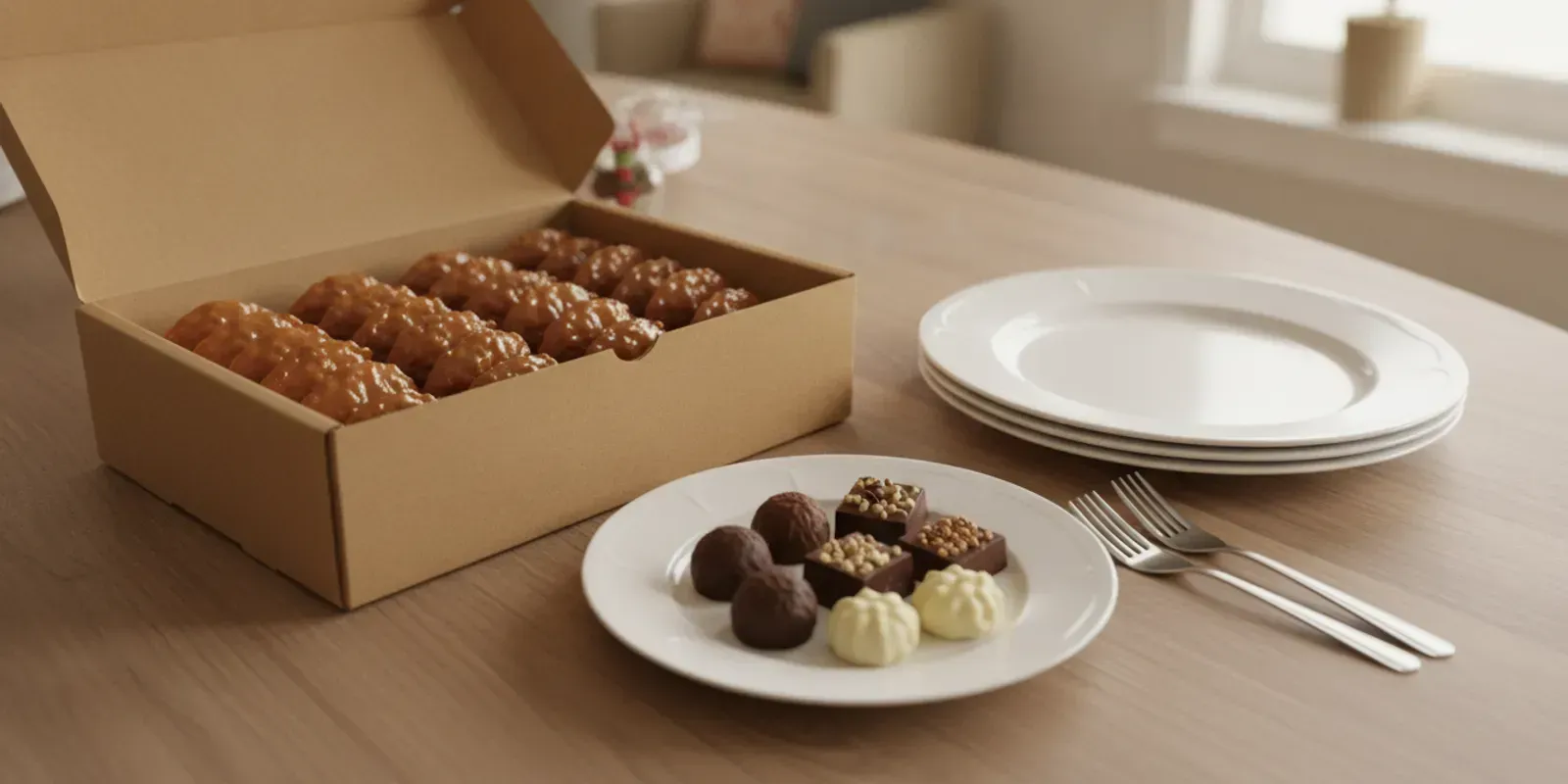
Because the assortment brings together five options, it works well for sharing. A box can introduce someone to the classic style while giving experienced praline fans a reason to sample beyond it. The collection also makes a practical corporate gift for client appreciation, holiday sending, team celebrations, or a welcome package with a distinctly Southern point of view. For larger orders, it is wise to contact the shop ahead of time so the team can confirm availability and timing.
Pecan Jacks aims to make its Alpharetta location a warm destination worth savoring, not simply a place to grab dessert. A praline tasting, an ice cream topped with crushed candy, or a box selected for someone back home all fit that same approach. For more background on the candy and its regional character, read our full guide to Southern pralines.
How Do You Enjoy and Store Pralines?
Pralines are ready to enjoy as a candy, but they can also bring pecan-and-caramel flavor to ice cream, pastries, and other desserts. For the best texture, keep them sealed at room temperature for short-term storage, or freeze them in an airtight container for up to about three months.
The simplest way to enjoy a praline is to eat it plain. Let the candy sit for a moment so its texture softens slightly, then take your time with the contrast between the creamy confection and the pecans. A Classic Southern praline is an easy choice when you want the familiar profile of this Southern candy. While flavored varieties such as Caribbean Rum or Bourbon offer a different direction.
How can you use pralines in desserts?
Pralines are also useful as an ingredient. One option is to grind caramel-coated nuts into a smooth or slightly textured praline paste. Stir that paste into ice cream, fold it into pastry fillings. Or use it to add a deeper nutty note to a dessert without starting with a separate caramel sauce.
For a quicker finish, crush a praline into small pieces and scatter them over ice cream, pudding, cakes, or other desserts. The pieces add a crisp, crunchy contrast to a soft dessert. You can use a rolling pin or the flat side of a kitchen utensil, but avoid pulverizing the candy unless you specifically want a fine crumb. Larger pieces make the texture more noticeable.
What is the best way to store pralines?
Place pralines in an airtight container and keep them away from heat, moisture, and strong odors. If you plan to eat them within a few days, a cool, dry cupboard is usually the most practical spot. Separate layers with parchment if needed so the candies do not stick together, and let chilled or frozen pralines come back toward room temperature before serving.
Freezing is useful when you want to save pralines for later. Seal them well in an airtight container, label the container with the date, and use them within roughly three months for the best experience. After thawing, check the texture before using them as a topping or eating them plain.
Plan a visit to Pecan Jacks and taste the pralines for yourself.
Frequently Asked Questions
What is a praline?
A praline is a Southern confection made with pecans, sugar, milk or cream, and butter. The mixture is cooked and portioned into a soft, creamy candy with a rich nut flavor. It is usually enjoyed on its own, though it can also add texture and flavor to other desserts.
What is the difference between French and American pralines?
French pralines traditionally feature whole roasted nuts covered in hard, caramelized sugar. American, or New Orleans-style, pralines are softer and creamier, using pecans, sugar, butter, and cream to create a tender patty. The two styles share a caramelized nut foundation but have distinct textures.
What types of pralines can you try at Pecan Jacks?
Pecan Jacks offers five praline varieties, including Classic Southern, Caribbean Rum, and Bourbon. That range lets you compare a traditional Southern profile with more distinctive flavor variations. Pralines are a cornerstone of the Pecan Jacks Southern confections selection.
How should you store pralines?
For short-term storage, keep pralines in a cool, dry place in an airtight container. To keep them longer, place them in an airtight freezer-safe container and freeze them for up to three months. Let them return to room temperature before serving so the texture can soften.
How else can you use pralines?
You can enjoy a praline as a candy, grind caramel-coated nuts into praline paste for ice cream or pastries, or crush it into a topping for desserts. These options make pralines useful beyond the candy dish, especially when you want a pecan-forward caramel note and a little crunch.
Come Taste a Real Praline at Pecan Jacks
Reading about what makes a praline a praline only gets you so far. The buttery crunch, the caramelized sugar that snaps just before it melts on your tongue. The warm pecan toast in every bite, that is something you have to taste for yourself. At Pecan Jacks in Alpharetta, Georgia, our kitchen still makes its pralines the way the South has loved them for generations. In small batches with real cream and butter.
Visit a Pecan Jacks near you to pick up a box of handcrafted pralines, or grab a batch with your next scoop of ice cream.