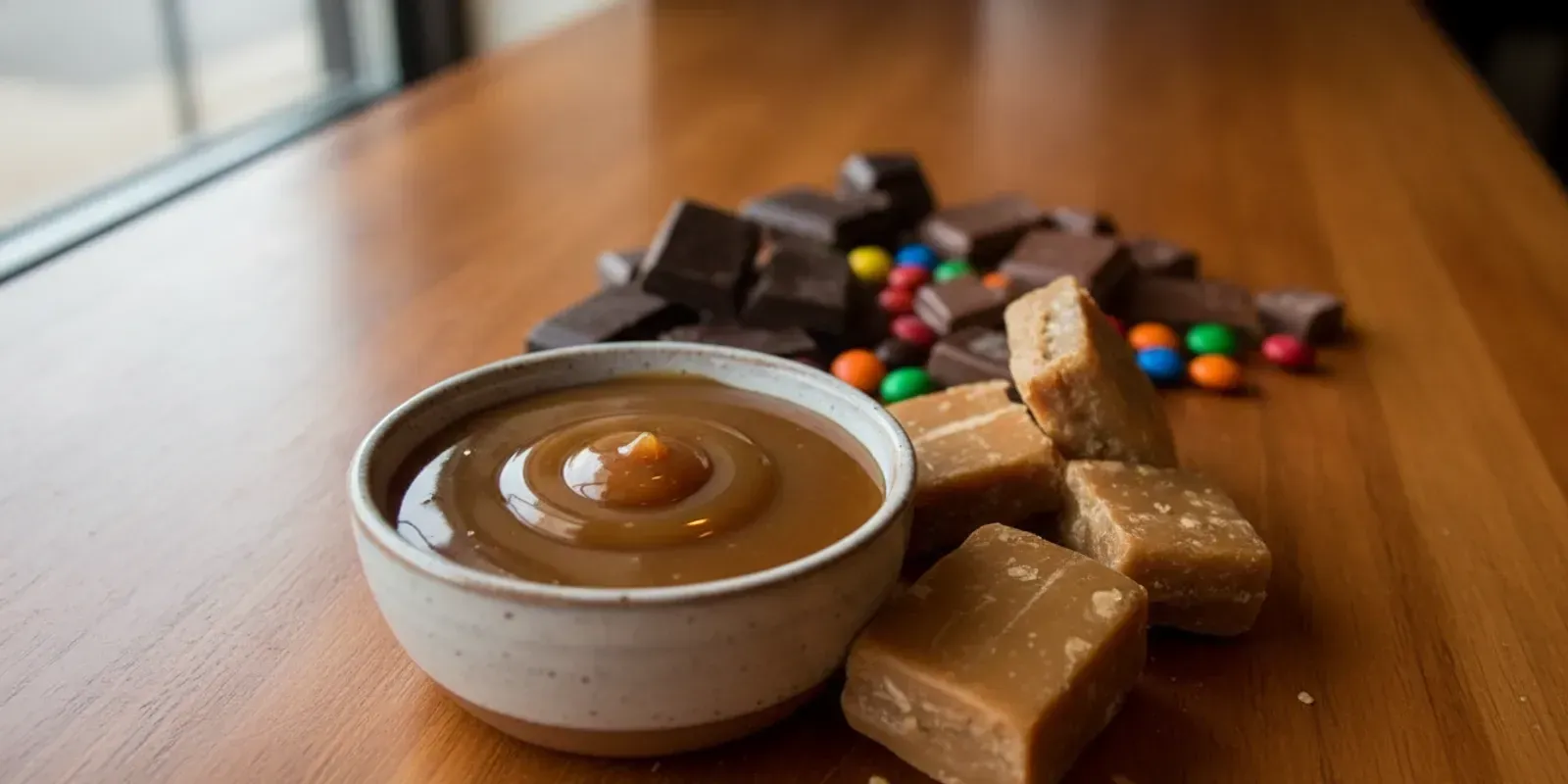
How to Make Salted Caramel Ice Cream at Home

Cory Mosley is the Vice President of Growth for Pecan Jacks. He supports franchise growth and brand strategy while helping protect the quality behind every scoop, bringing “A Sweet Day Is A Bite Away®” philosophy to customers across the country.
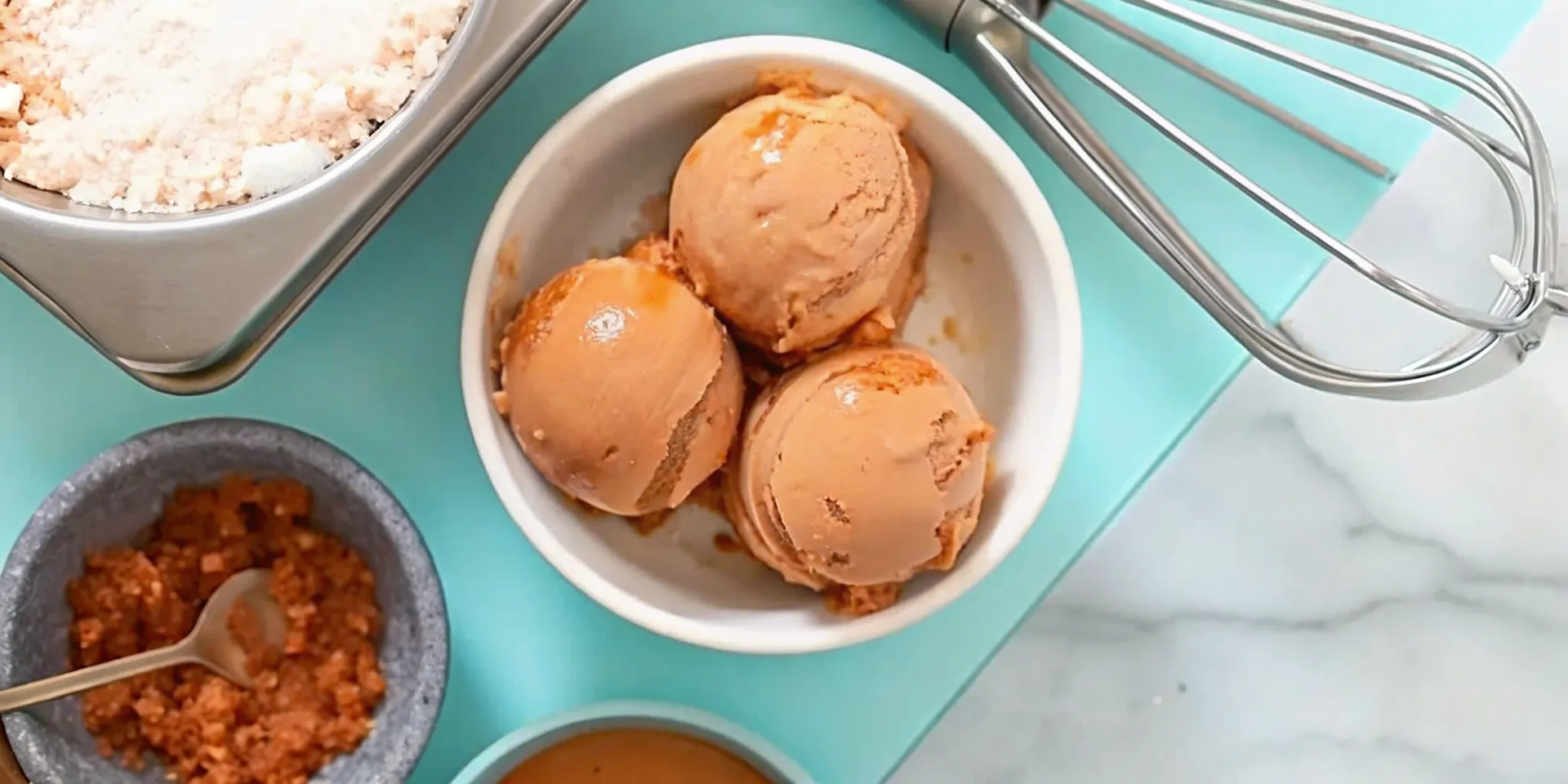
Let’s be honest: the idea of making caramel from scratch can be a little intimidating. Visions of burnt sugar and seized-up sauces are enough to make anyone reach for a store-bought pint. But what if I told you that with a few key tips, you can master it on your first try? Making incredible homemade salted caramel ice cream is less about complicated chemistry and more about patience and technique. In this guide, I’ll walk you through each stage step-by-step, from creating a silky custard base to swirling in ribbons of golden caramel. We’ll troubleshoot common mistakes before you even make them, giving you the confidence to create a creamy, dreamy dessert that will have everyone asking for your secret recipe.
Ready to take your first sweet bite?
Key Takeaways
- Master the basics for a smooth texture: Your success comes down to a few key techniques, like warming your cream before adding it to hot sugar to prevent seizing and thoroughly chilling your custard base to avoid ice crystals.
- High-quality ingredients are non-negotiable: For that rich, scoop-shop flavor, use full-fat dairy like heavy cream and whole milk. Also, choose a coarse sea salt over table salt for a cleaner taste and better balance.
- Patience is your secret ingredient: Don't rush the freezing process. A completely frozen ice cream maker bowl and several hours for the final product to harden in the freezer are essential for that perfect, scoopable consistency.
What Is Salted Caramel Ice Cream?
If there’s one flavor that feels both timeless and exciting, it’s salted caramel. It’s that perfect scoop that satisfies your craving for something sweet, rich, and just a little bit surprising. But what exactly makes it so special? At its heart, salted caramel ice cream is a beautiful contradiction. It’s a masterful blend of deeply caramelized sugar, luscious cream, and a pinch of high-quality salt.
This combination creates a flavor profile that’s complex and incredibly satisfying. The salt doesn’t just make the caramel salty; it cuts through the sweetness, preventing it from being overwhelming and enhancing the deep, slightly nutty notes of the caramel itself. It’s this perfect balance that has made it a staple in artisan sweet shops and home kitchens alike. Let’s break down what makes this flavor a true classic.
The Magic of Sweet and Salty
The magic of salted caramel lies in its ability to hit multiple flavor notes at once. It all starts with caramel, which is made by carefully heating sugar until it melts and develops a rich, amber color and complex flavor. This molten sugar is then combined with cream and butter to create a silky-smooth sauce. The final, crucial touch is a sprinkle of sea salt. This simple addition creates a dynamic contrast that makes your taste buds sing. The initial wave of sweetness is quickly balanced by a savory finish, making each bite more interesting than the last. It’s this delightful push-and-pull that keeps you coming back for another spoonful of our handcrafted ice cream.
Salted vs. Regular Caramel: What's the Difference?
The main difference between salted and regular caramel is, of course, the salt. But its role is more significant than you might think. Regular caramel is all about pure, unadulterated sweetness and richness. Salted caramel, on the other hand, uses salt to elevate those very same qualities. This flavor pairing has its roots in Brittany, France, a region famous for its salty butter. French chefs discovered that adding a bit of salt to their confections created a more nuanced and irresistible treat. The science behind it is that salt actually enhances our ability to taste sweetness, which is why a little pinch can make desserts taste richer and more flavorful. It’s not just a trend; it’s a time-tested technique for making something delicious even better.
Your Salted Caramel Ice Cream Shopping List
Before we get to the fun part (the churning and the eating!), let's talk ingredients. The secret to truly amazing homemade ice cream isn't some complicated technique; it's starting with high-quality ingredients. Think of it like building a house. You want a solid foundation, and in the world of salted caramel ice cream, that foundation is built with good cream, real vanilla, and the right kind of salt. A trip to the grocery store is your first step toward a dessert that will have everyone asking for your recipe.
Making this ice cream involves two key parts: a classic vanilla ice cream base and a rich, golden caramel sauce that gets swirled throughout. We’ll prepare them separately before bringing them together. Below is a simple shopping list broken down by each component. Grabbing these specific items will set you up for success and give you that decadent, artisanal flavor we all love. At Pecan Jacks, we know that every single ingredient plays a starring role, and your homemade version should be no different. Let’s get everything you need to create a little magic in your kitchen.
For the Creamy Ice Cream Base
The heart of any great ice cream is its base. For that unbelievably smooth, rich texture, you’ll need a few dairy aisle staples. The combination of heavy cream and whole milk provides the perfect amount of fat, which is essential for a velvety mouthfeel and preventing icy crystals. Egg yolks add another layer of richness and act as a natural emulsifier, creating a stable, custard-like foundation. Of course, you'll need granulated sugar for sweetness. And please, don't skip the vanilla! A good quality vanilla extract or even a vanilla bean will add incredible depth and warmth that perfectly complements the caramel.
For the Perfect Caramel Sauce
This is where the magic happens. Making caramel from scratch can feel a little intimidating, but it’s really just about watching sugar, water, and heat do their thing. You’ll need granulated sugar, a bit of water to help it melt evenly, and some unsalted butter and heavy cream to make it silky and rich. The butter and cream are added at the end to stop the cooking process and transform the hot sugar into a luscious sauce. Having a candy thermometer on hand is helpful but not essential; we’ll cover how to eyeball it later. This homemade caramel is what will give your ice cream those beautiful, gooey ribbons of flavor.
Choosing the Right Kind of Salt
Not all salt is created equal, especially when it’s a star player in the recipe. The "salted" in salted caramel is what balances the sweetness and makes the flavor so complex and irresistible. For the best results, skip the fine table salt, which can dissolve too quickly and sometimes add a metallic taste. Instead, reach for a high-quality coarse sea salt or a flaky finishing salt like Fleur de Sel. These salts have a cleaner flavor and a satisfying texture that provides little pops of saltiness as you eat the ice cream. This simple swap is one of the easiest ways to give your homemade treat a truly gourmet touch.
How to Make Salted Caramel Ice Cream, Step by Step
Ready to create your own batch of salted caramel goodness? Making this ice cream at home is a truly rewarding process, and I’ll walk you through every part of it. The key is to take your time with each stage, from cooking the caramel to churning the base. By focusing on a few simple techniques, you can make a dessert that rivals any scoop shop. Let's break it down into four main steps.
Step 1: Prepare the Caramel Sauce
First things first, let's make that beautiful, amber-colored caramel. The most important thing to remember here is temperature control. When you add the cream to your hot sugar mixture, make sure it’s warm or at least room temperature. Pouring cold cream into hot caramel will cause the sugar to seize up and harden instantly, which is a frustrating setback. A great caramel sauce recipe will always remind you to warm the cream first. Keep stirring gently as you combine the ingredients to ensure everything melts into a smooth, silky sauce.
Step 2: Create the Ice Cream Base
Next up is the ice cream base, which is essentially a rich, creamy custard. The secret to a perfect custard is cooking it low and slow to prevent the eggs from scrambling. Keep your stove’s heat on low or medium-low and stir constantly with a spatula, making sure to scrape the bottom and sides of the pan. You’ll know the custard base is ready when it’s thick enough to coat the back of a spoon. Once it’s done, strain it through a fine-mesh sieve to catch any tiny bits of cooked egg, ensuring your final product is perfectly smooth.
Step 3: Combine and Churn
Now it’s time to bring the caramel and custard together. After your custard base has cooled slightly, stir in about half of your salted caramel sauce. Then, cover the mixture and let it chill completely in the refrigerator for at least four hours, or preferably overnight. This step is non-negotiable. Churning a warm base will result in an icy, grainy texture because it won’t freeze quickly enough in the machine. A thoroughly chilled base is the key to achieving that dense, creamy consistency we all love. Once it's cold, pour it into your ice cream maker and churn according to the manufacturer’s instructions.
Step 4: Layer, Swirl, and Freeze
Once the ice cream is done churning, it will have the consistency of soft serve. This is where the final magic happens. Transfer one-third of the ice cream to a freezer-safe container, then drizzle some of the remaining caramel sauce over it. Repeat these layers two more times, finishing with a final swirl of caramel on top. You can use a knife or a spoon to gently swirl the caramel through the ice cream for that beautiful marbled look. Cover the container tightly and freeze for at least six hours, or overnight, to allow it to harden properly before scooping.
Secrets to the Perfect Caramel Sauce
Making caramel sauce from scratch can feel like a high-stakes chemistry experiment, but it’s simpler than you think. The difference between a grainy, burnt mess and a silky, rich sauce comes down to a few key techniques. Getting it right is what makes our gourmet ice cream so special, and you can achieve that same quality at home. It’s all about paying attention to color, controlling your heat, and preventing sugar crystals from forming. With a little patience, you’ll have a perfect caramel sauce ready to swirl into your ice cream base.
Getting the Color and Consistency Just Right
The secret to a smooth, flowing caramel is managing the temperature of your ingredients. The biggest rule is to never add cold cream to your hot sugar. Pouring in cold liquid will cause the sugar to seize up instantly, creating hard clumps that are nearly impossible to fix. Instead, gently warm your cream in a separate saucepan before you begin. When you add the warm cream to the amber-colored sugar, it will bubble up but will incorporate beautifully, giving you that luscious, creamy texture you’re looking for. Watch for a color that reminds you of a shiny, new penny; this is the sweet spot for a rich, deep flavor that isn’t bitter.
Mastering Temperature Control
Consistent heat is your best friend when making caramel. Sugar can go from perfectly melted to scorched in a matter of seconds. To prevent this, always use a heavy-bottomed pot. A thin pot will heat unevenly, creating hot spots that burn some of the sugar before the rest has even melted. A sturdy pot distributes heat evenly across the bottom, giving you more control and a much lower risk of burning. This is one of the most common caramel-making mistakes, but it’s also one of the easiest to avoid with the right equipment.
How to Prevent Crystallizing and Burning
Crystallization is what happens when sugar molecules decide to clump back together, turning your smooth sauce grainy. To stop this, keep a close eye on your pot. If you see sugar crystals forming on the sides, you can gently wipe them down with a pastry brush dipped in water. Also, avoid over-stirring, which can encourage crystals to form. As for burning, your eyes and nose are your best tools. Once the sugar melts and starts to color, don’t walk away. The moment it reaches a deep amber color and smells nutty and sweet, it’s time to add your warm cream and butter. This stops the cooking process and locks in that perfect caramel flavor.
How to Get That Perfect, Creamy Texture
The difference between good and great homemade ice cream often comes down to texture. We’re all aiming for that luxuriously smooth consistency that melts perfectly on your tongue, not an icy spoonful. Achieving that signature Pecan Jacks creaminess at home is completely doable. It boils down to three key areas: building a solid custard foundation, churning correctly, and using the right ingredients. Let's walk through how to get it right.
Nailing the Custard Preparation
A decadent ice cream begins with an expertly made custard base. The biggest hurdle is preventing the eggs from scrambling. To avoid this, you need to be patient. Keep your heat on medium-low and stir constantly with a rubber spatula, scraping the bottom and sides of the pan to ensure even cooking. This gentle process thickens the eggs into a silky-smooth custard that forms the foundation of your ice cream. Taking your time here is the most important step toward a velvety final product. Many culinary sites offer great custard-making tutorials if you want to see it in action.
Tips for Churning Smooth Ice Cream
Once your custard is chilled, it’s time to churn. The golden rule is to start with everything as cold as possible. Your custard base should be thoroughly refrigerated, and your ice cream maker’s bowl frozen solid. This helps the ice cream freeze quickly, creating smaller ice crystals and a smoother texture. When done, the ice cream should be the consistency of thick soft-serve. Transfer it to an airtight container and let it harden in the freezer for at least four hours, or preferably overnight. This final freeze is essential for the ice cream to set properly and for the flavors to meld.
Why Fat Content Matters for Creaminess
Ever wondered what makes ice cream so creamy? The secret is fat. The fat content in your dairy is crucial for a rich texture because it coats ice crystals and prevents them from growing too large, which causes iciness. For a dreamy, scoopable result, the best combination is whole milk mixed with heavy cream. While it might be tempting to use lower-fat alternatives, you’ll sacrifice that luxurious mouthfeel. Fat is your friend when making incredible homemade ice cream. Using high-quality dairy makes a huge difference in the final quality of your dessert.
Common Mistakes to Avoid
Making salted caramel ice cream is a truly satisfying kitchen project, but a few common missteps can get in the way of that perfect, creamy scoop. Don't worry, they're all easy to sidestep once you know what to look for. We'll walk through the most frequent hiccups so you can feel confident from start to finish and get a delicious result every single time. Think of this as your friendly guide to troubleshooting before you even begin.
Adding Cold Cream to Hot Caramel
This is probably the number one rule of caramel making. If you pour cold cream directly into your pan of bubbling, molten sugar, the mixture will seize up instantly. The drastic temperature change causes the sugar to harden into a stubborn clump, and you’ll be left trying to melt it all down again. To get that beautifully smooth, flowing caramel sauce, you need to warm your cream first. It doesn’t need to be boiling, just warm to the touch. You can gently heat it in a separate small saucepan or even in the microwave. This simple step ensures the cream incorporates seamlessly into the hot sugar, giving you a silky, lump-free sauce.
Using Cookware That Heats Unevenly
The pot you choose can make or break your caramel. A thin, flimsy pot is your enemy here because it will have hot spots. This means some of the sugar will start to burn before the rest has even melted, resulting in a bitter, scorched flavor and an uneven color. Your best friend for this task is a heavy-bottomed saucepan. Materials like stainless steel or enameled cast iron are fantastic because they distribute heat evenly across the bottom of the pan. This gives you much more control, allowing the sugar to melt and caramelize at a steady, consistent rate. It’s a small detail that makes a huge difference in the final product.
Not Watching the Temperature Closely
Making both the caramel and the custard base for your ice cream requires your full attention. When you’re making the caramel, the sugar can go from a perfect amber color to a burnt, bitter mess in a matter of seconds. You have to watch it like a hawk. For the custard base, the key is to cook it gently over medium heat. If the temperature gets too high, you risk scrambling the eggs, which will give your ice cream a grainy texture. Stirring the custard constantly as it cooks helps prevent the eggs from curdling and ensures it thickens into a smooth, velvety base. A little focus here goes a long way.
Rushing the Mixing and Chilling Steps
I know it’s tempting to want to get to the churning part as quickly as possible, but patience is a virtue in ice cream making. Your custard base needs to be completely and thoroughly chilled before it goes into the ice cream maker. If the base is even slightly warm, it won’t churn properly. This leads to the formation of large ice crystals, which is what makes homemade ice cream icy instead of creamy. For the best texture, chill your mixture in the refrigerator for at least four hours, though overnight is even better. This not only guarantees a creamier result but also gives the flavors more time to meld together.
Creative Mix-Ins and Flavor Pairings
Once you’ve mastered the salted caramel base, the real fun begins. This is your chance to get creative and make a flavor that’s completely your own. The creamy, buttery profile of salted caramel is the perfect canvas for all sorts of textures and tastes. Whether you love a satisfying crunch, a rich swirl of chocolate, or something a little more sophisticated, there are endless ways to customize your creation. Here are a few of our favorite ideas to get you started.
Chocolate and Pretzel Combos
There’s a reason the sweet and salty combination is a classic. Adding chocolate and pretzels to your salted caramel ice cream introduces a fantastic contrast of flavors and textures. The salty crunch of crushed pretzels cuts through the sweetness of the ice cream, while rich chocolate chunks or a fudge swirl add another layer of decadence. This trio creates a perfectly balanced bite every time. For the best texture, add the pretzels and chocolate pieces during the last few minutes of churning so they stay crisp and don't get soggy.
Toasted Nuts and Other Crunchy Bits
For a nutty flavor and a delightful crunch, try mixing in some toasted nuts. Pecans are a natural partner for caramel, but almonds and walnuts work beautifully, too. Toasting the nuts for a few minutes in a dry pan before chopping and adding them to your ice cream really deepens their flavor. Beyond nuts, you can also add bits of our Southern Pralines or crushed brittle for an extra layer of buttery, crunchy goodness that complements the salted caramel base perfectly.
Coffee and Bourbon Infusions
If you’re looking for a more grown-up dessert, consider adding coffee or bourbon. A shot of strong espresso or a splash of good-quality bourbon can add a wonderful warmth and complexity to your ice cream. The bitterness of the coffee or the oaky notes of the bourbon beautifully enhance the caramel’s richness. At Pecan Jacks, we love experimenting with adult-infused ice cream flavors, and this is an easy way to bring that special touch to your homemade version. Just be sure to add any alcohol sparingly, as too much can prevent the ice cream from freezing properly.
Fudge Swirls and Cocoa Nibs
For the chocolate lovers, a thick fudge swirl or a sprinkle of cocoa nibs can turn your salted caramel ice cream into a truly decadent treat. A rich, dark chocolate fudge provides a smooth, gooey texture that contrasts with the creamy ice cream. Cocoa nibs, on the other hand, offer a surprising crunch and a slightly bitter, intense chocolate flavor that balances the sweetness of the caramel. You can make your own hot fudge sauce or use a high-quality store-bought version for an easy yet impressive addition.
Your Home Ice Cream-Making Toolkit
Having the right tools on hand can make the difference between good ice cream and truly unforgettable, scoop-shop-worthy ice cream. You don’t need a professional kitchen, but a few key items will set you up for success. Think of it as building your artist’s palette before you start painting. Getting your toolkit ready before you even touch an ingredient makes the whole process smoother and way more fun. From the machine that does the churning to the container that keeps your creation perfectly frozen, each piece plays an important role in achieving that dreamy, creamy texture we all crave.
Ice Cream Maker vs. No-Churn Methods
So, do you really need an ice cream maker? For the smoothest, creamiest texture, the answer is yes. An ice cream maker is designed to churn the base while it freezes, which incorporates air and prevents large ice crystals from forming. This process is what gives you that classic, light, and scoopable consistency. However, if you don’t have one, don’t worry! No-churn methods are a fantastic alternative. They typically use sweetened condensed milk and whipped cream to create a base that freezes well without churning. The result is a denser, richer ice cream that’s still incredibly delicious. It’s a great way to dip your toes into homemade ice cream without buying new equipment.
Essential Kitchen Tools and Utensils
Beyond the ice cream maker, you’ll need a few other kitchen staples. A heavy-bottomed saucepan is non-negotiable for making the caramel sauce; it distributes heat evenly and helps prevent the sugar from burning. You’ll also want a good whisk for combining the custard base and a heatproof spatula for scraping down the sides of the pan. And here’s a pro tip: make sure your ice cream maker’s freezer bowl is completely frozen. Most manufacturers recommend freezing it for at least 24 hours. A well-chilled bowl is one of the biggest secrets to creamy ice cream, as it helps the base freeze quickly and evenly.
The Best Containers for Freezing
You’ve churned your beautiful salted caramel ice cream, but your work isn’t quite done. Proper storage is key to protecting its flavor and texture. Your best bet is a dedicated, airtight ice cream container. These are often long and shallow, which helps the ice cream freeze faster and prevents ice crystals from forming on the surface. Storing it in an airtight container is the best way to prevent freezer burn. Right out of the churner, your ice cream will have a soft-serve consistency. Transfer it to your container, press a piece of parchment paper directly onto the surface to block out air, seal it tightly, and freeze for at least four hours to let it firm up into a perfectly scoopable treat.
How to Store and Serve Your Homemade Ice Cream
You’ve created a masterpiece, and now it’s time to enjoy the rewards. But how you store and serve your salted caramel ice cream is just as important as how you make it. A little care at this stage ensures every scoop is as perfect as the first.
Keeping Your Ice Cream Fresh in the Freezer
After all your hard work, the last thing you want is a batch of icy, freezer-burned ice cream. The key to maintaining that creamy texture is proper storage. Transfer your finished ice cream into an airtight container designed specifically for freezing. These special ice cream containers are usually long and narrow, making it easier to get that perfect scoop later. When stored correctly, your homemade creation should stay fresh and delicious for a couple of weeks. This simple step prevents ice crystals from forming and protects the delicate flavor you worked so hard to build.
Serving at the Perfect Temperature
Right out of the churner, your ice cream will have a lovely, soft-serve consistency. While it’s tempting to dig in right away, a little patience goes a long way. For that classic, scoopable texture, transfer the ice cream to a sealed container and let it firm up in the freezer for at least a few hours. When you’re ready to serve, let the container sit on the counter for five to ten minutes. This softens it just enough to make scooping a breeze without turning it into a melted puddle. It’s the secret to getting those beautiful, round scoops you see in our Pecan Jacks ice cream shops.
Fun Toppings and Presentation Ideas
This is where you can really get creative and make each bowl your own. Salted caramel is a fantastic base that pairs well with so many flavors. For an extra-rich experience, drizzle on some warm hot fudge or even more caramel sauce. If you love a salty-sweet crunch, try adding crushed pretzels, toasted pecans, or even crumbled bits of our authentic southern pralines. For a deeper flavor, you can even sprinkle a tiny bit more flaky sea salt right on top before serving. Don’t be afraid to experiment with sauces like melted peanut butter or your favorite fruit preserves to find your perfect combination.
Related Articles
- The 4 Best Liquor Infused Ice Cream Brands to Try
- Handcrafted Pralines 101: The Ultimate Guide
- 5 Best Artisan Ice Cream Delivery Services
- 11 Unique Ice Cream Flavors for Adults to Try
- How to Make the Perfect Southern Pralines Recipe
Ready to take your first sweet bite?
Frequently Asked Questions
Can I make this recipe without an ice cream maker? You absolutely can. No-churn recipes typically use a base of sweetened condensed milk and whipped cream, which creates a rich, dense ice cream that doesn't require churning. While the texture will be different from a machine-churned version (think more fudgy and less airy), it will still be incredibly delicious and a great way to make this flavor without extra equipment.|
Why did my caramel sauce get hard and clumpy? This is a very common issue, and it almost always happens when cold cream hits the hot sugar. The sudden temperature drop causes the sugar to seize up and harden. The best way to prevent this is to gently warm your cream in a separate pot before you slowly pour it into the caramelized sugar. This keeps everything smooth and fluid.
What's the best way to prevent my ice cream from getting icy? Icy texture is the result of large ice crystals forming. To keep your ice cream smooth, focus on three things: use full-fat dairy (heavy cream and whole milk are essential), make sure your custard base is completely cold before churning (overnight in the fridge is ideal), and ensure your ice cream maker's bowl is frozen solid. A quick freeze creates smaller crystals and a creamier result.
Can I use regular table salt instead of sea salt? For the best flavor, I strongly recommend using a coarse or flaky sea salt. Table salt can dissolve too quickly and sometimes adds a sharper, more chemical taste. A good sea salt provides a cleaner flavor and a better texture, giving you those distinct little pops of saltiness that contrast so well with the sweet caramel.
How long can I store my homemade ice cream? For the best quality and texture, you should plan to enjoy your homemade ice cream within about two weeks. Store it in an airtight container pressed deep into the back of your freezer where the temperature is most stable. Placing a piece of parchment paper directly on the surface of the ice cream before sealing the lid also helps prevent freezer burn.