The Ultimate Guide to Butterscotch Ice Cream

Cory Mosley is the Vice President of Growth for Pecan Jacks. He supports franchise growth and brand strategy while helping protect the quality behind every scoop, bringing “A Sweet Day Is A Bite Away®” philosophy to customers across the country.

If caramel is the flashy, popular flavor on the dessert menu, then butterscotch is its richer, more sophisticated cousin. It’s a flavor that feels both nostalgic and luxurious, built on the simple magic of caramelized brown sugar and butter. A true artisan Butterscotch Ice Cream is a world away from the artificially sweet versions you might find in a grocery store aisle. The real deal has a satisfying depth that comes from carefully cooking down the ingredients, a process that can’t be rushed. This guide is your complete resource for understanding this timeless flavor, from its simple ingredients to the step-by-step process for making it at home.
Key Takeaways
- Brown Sugar is Non-Negotiable for True Butterscotch: Unlike caramel, which uses white sugar, authentic butterscotch gets its deep, complex flavor from brown sugar. This key ingredient, along with butter and salt, is what creates that classic rich, toffee-like taste.
- Chill Your Base for Maximum Creaminess: Don't rush the chilling step. A completely cold custard base, chilled for at least four hours or overnight, is the most important factor in preventing ice crystals and achieving a perfectly smooth, velvety texture.
- Get Creative with Flavors and Mix-Ins : Your classic butterscotch recipe is a perfect canvas for new creations. Add crunchy textures like toasted pecans, swirl in a rich fudge sauce, or mix in a splash of bourbon for a sophisticated, softer scoop.
What Is Butterscotch Ice Cream?
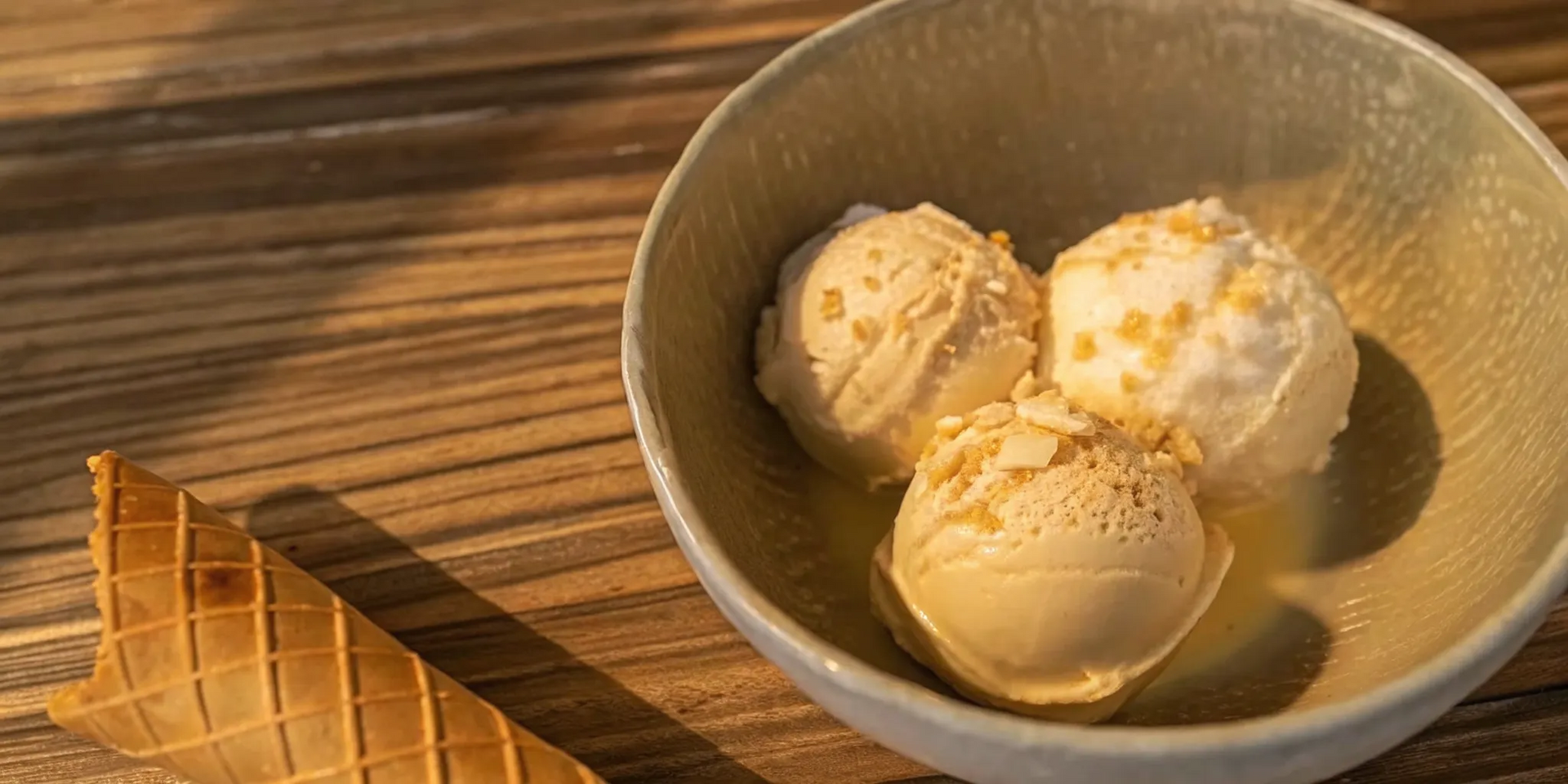
If caramel is the flashy, popular flavor, then butterscotch is its richer, more sophisticated cousin. Think of the warm, comforting taste of a Werther's Original candy, but transformed into a decadent, frozen dessert. At its heart, butterscotch ice cream is a rich, creamy treat made by blending a base of caramelized brown sugar and butter with fresh cream and milk. The result is a flavor that’s deeply satisfying, with notes of toffee, vanilla, and a perfect hint of salt to balance the sweetness. It’s the kind of flavor that feels both nostalgic and luxurious all at once.
It’s a classic that relies on simple, high-quality ingredients, which is why the final product can vary so much. A true artisan butterscotch ice cream is a world away from the artificially flavored versions you might find in a grocery store aisle. The real deal has a depth that comes from carefully cooking down the sugar and butter, a process that can’t be rushed or faked. When done right, it’s a truly special experience that reminds us why some recipes stand the test of time. At Pecan Jacks, we believe in honoring these timeless flavors by using the best ingredients and artisanal methods to create our handcrafted ice cream. Understanding what makes butterscotch so unique is the first step to appreciating its delicious complexity, whether you're making it at home or enjoying a scoop from our kitchen.
Butterscotch vs. Caramel: What's the Difference?
This is one of the most common questions in the candy and dessert world, and the answer is surprisingly simple: it all comes down to the sugar. Classic caramel is made by melting and heating white granulated sugar, often with butter and cream added later. True butterscotch , on the other hand, must be made with brown sugar.
This one ingredient swap makes all the difference. The molasses in the brown sugar gives butterscotch a deeper, more complex flavor profile with notes of toffee and a slightly toasted taste. It also gives it that signature rich, amber color. So, while they are related, they are definitely not the same.
What Makes Butterscotch So Irresistible?
The magic of butterscotch happens when butter and brown sugar are cooked together. As they heat, the sugar caramelizes and the milk solids in the butter begin to brown, creating a nutty, complex flavor that is impossible to replicate with artificial syrups. It’s a simple process, but one that requires patience and attention to detail.
Another key player in this flavor story is salt. A good pinch of salt is essential for a well-rounded butterscotch. It doesn't make it taste salty; instead, it balances the sweetness and makes all the other flavors pop. This commitment to using real ingredients and time-honored techniques is what we're all about, and it’s what separates a truly memorable butterscotch from the rest. It’s a philosophy that’s been part of our family story from the very beginning.
The Key Ingredients for Butterscotch Ice Cream
The magic of truly great butterscotch ice cream lies in its simple, high-quality ingredients. While the list isn't long, each component plays a crucial role in creating that rich, creamy texture and deep, nostalgic flavor. Understanding what each ingredient does will help you make a batch that rivals your favorite scoop shop. Let's look at what you'll need to get started.
Unsalted Butter and Dark Brown Sugar
The secret to authentic butterscotch flavor starts with two key players: unsalted butter and dark brown sugar. This duo is what separates butterscotch from its cousin, caramel, which is made with white sugar. Using dark brown sugar is essential, as its higher molasses content provides that signature deep, toffee-like taste and rich color. Opting for unsalted butter gives you complete control over the final saltiness of your ice cream, allowing the sweet and buttery notes to shine through perfectly.
Heavy Cream and Whole Milk
For that luxuriously smooth texture you expect from artisan ice cream, you need a good dairy base. A combination of heavy cream and whole milk provides the ideal fat content. Fat is your friend here; it’s what minimizes ice crystals and gives the ice cream its rich, satisfying mouthfeel. While some recipes use cornstarch to thicken the base, a classic custard relies on cream and milk to carry the flavor. At Pecan Jacks, we know that the quality of the dairy makes all the difference in our handcrafted gourmet ice cream , and the same is true for your homemade version.
Egg Yolks, Salt, and Vanilla
Egg yolks are the powerhouse behind a traditional French-style ice cream custard. They act as a natural emulsifier, binding the fat and water together to create an incredibly smooth and stable base that resists iciness. The key is to temper the eggs by slowly whisking in the hot cream mixture, which gently cooks them without scrambling. A pinch of salt is also non-negotiable; it doesn't make the ice cream salty but instead balances the sweetness and makes the butterscotch flavor pop. Finally, a splash of pure vanilla extract rounds everything out, adding a layer of aromatic warmth.
Ingredient Upgrades Worth Trying
Once you've mastered the basics, you can experiment with a few simple upgrades to make your butterscotch ice cream even more special. For the richest possible flavor, always choose dark brown sugar over light brown. If you want an exceptionally scoopable texture, a small splash of bourbon or scotch not only adds a complex, smoky note but also helps keep the ice cream a bit softer in the freezer. You can also swap standard vanilla extract for the seeds of a vanilla bean or a high-quality vanilla bean paste for a more pronounced, fragrant vanilla background.
How to Make Butterscotch Ice Cream at Home
There’s something incredibly satisfying about making your own ice cream from scratch. It’s a chance to connect with your ingredients and create a dessert that’s perfectly suited to your tastes. While it takes a bit of time and patience, the process is straightforward, and the reward is a scoop of rich, creamy butterscotch ice cream that you made with your own two hands. This guide will walk you through the classic, custard-style method for an exceptionally smooth result.
Of course, we know that life gets busy. For those days when you’re craving a perfect scoop without the kitchen prep, you can always find delicious artisan ice cream made with love and the finest ingredients right here at Pecan Jacks. But for the adventurous home cook, it’s time to roll up your sleeves. We’ll go through five key steps: creating the butterscotch, making the custard base, chilling it properly, and finally, churning it into a frozen delight. Let’s get started.
Step 1: Create the Butterscotch Base
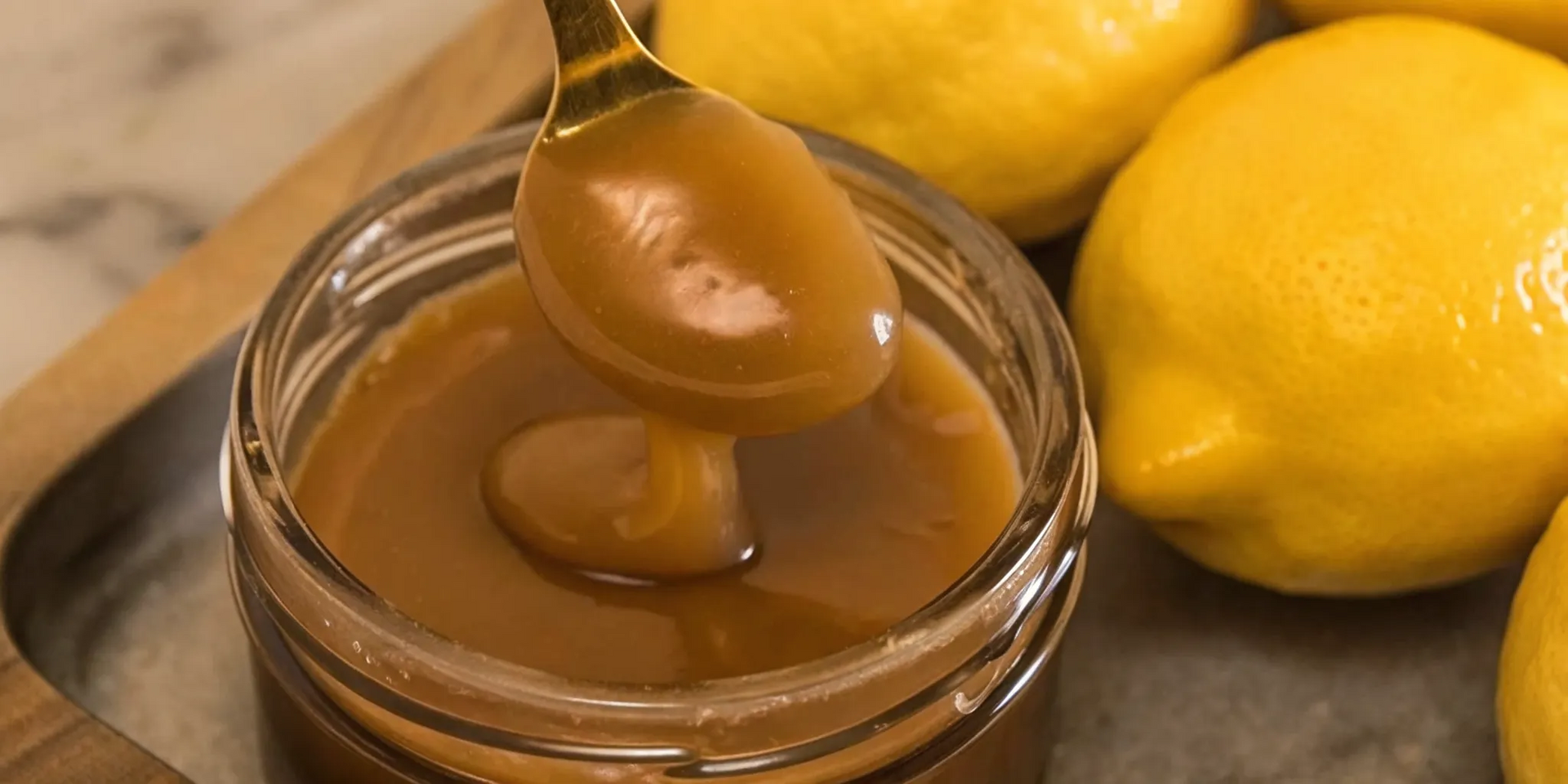
The heart of your ice cream is a rich, homemade butterscotch. This is where all that deep, molasses-tinged sweetness comes from. In a saucepan, you’ll melt unsalted butter with dark brown sugar, letting it bubble away until it’s smooth and slightly thickened. Some recipes also call for a splash of heavy cream at this stage. This step creates a beautiful, fragrant butterscotch sauce that will serve as the flavor foundation for your entire batch. Don’t rush this process; allowing the sugar to dissolve completely is key to a silky, non-gritty texture in your final product.
Step 2: Temper the Egg Yolks
The secret to a luxuriously creamy, custard-style ice cream is egg yolks, but they can be tricky. If you add them directly to the hot butterscotch mixture, you’ll end up with sweet scrambled eggs. To avoid this, you need to temper them. This just means you’ll slowly raise their temperature before incorporating them fully. Start by whisking your egg yolks in a separate bowl. Then, while whisking constantly, slowly drizzle a small amount of the hot butterscotch liquid into the yolks. This gentle introduction of heat is the core of tempering eggs correctly. Once you’ve added about a cup of the hot liquid, you can confidently pour the warmed yolk mixture back into the saucepan with the rest of the butterscotch.
Step 3: Cook the Custard
Now that your egg yolks are safely incorporated, it’s time to cook the custard. Return the saucepan to medium-low heat and cook, stirring constantly with a wooden spoon or spatula. You need to be attentive here, making sure to scrape the bottom and corners of the pot to prevent sticking or scorching. The custard is done when it has thickened enough to coat the back of your spoon. If you run your finger through the custard on the spoon, the line should hold its shape. For those with a kitchen thermometer, you’re aiming for a temperature between 170°F and 175°F. Once it’s ready, immediately remove it from the heat to stop the cooking process.
Step 4: Chill the Base Completely
This is perhaps the most important step for achieving a creamy, dreamy texture, so don’t be tempted to skip it. A properly chilled base will churn faster and more evenly, resulting in smaller ice crystals and a smoother mouthfeel. Pour your finished custard through a fine-mesh sieve into a clean bowl to catch any small bits that may have cooked too fast. Cover the bowl with plastic wrap, pressing it directly onto the surface of the custard to prevent a skin from forming. For the best results, chilling your base overnight in the refrigerator is ideal, but a minimum of four hours is necessary.
Step 5: Churn and Freeze
Once your base is thoroughly chilled, it’s finally time to make ice cream. Pour the cold custard into your ice cream maker and churn according to the manufacturer’s directions. The process of using your ice cream maker usually takes about 20 to 25 minutes. You’re looking for a consistency similar to thick soft-serve. After churning, transfer the ice cream to an airtight, freezer-safe container. For a firm, scoopable texture, you’ll need to freeze it for at least four hours. This final freeze, often called "ripening," allows the flavors to meld and the ice cream to harden perfectly.
How to Make No-Churn Butterscotch Ice Cream
Don't have an ice cream maker? No problem at all. You can still create incredibly rich and creamy butterscotch ice cream right in your own kitchen. The no-churn method is a fantastic way to achieve that perfect scoop-shop texture without any special equipment. It relies on a simple technique of periodic whisking as the base freezes, breaking up ice crystals and creating a smooth, dreamy dessert. It takes a little patience, but the process is straightforward and the delicious result is more than worth the wait. Let's get started on your new favorite homemade treat.
The Ingredients You'll Need
You only need a handful of simple ingredients to make this magic happen. The secret to the ultra-creamy texture is cream cheese, which acts as a stabilizer and prevents the ice cream from getting icy. For this no-churn butterscotch recipe , you will need to gather brown sugar, butter, whole milk, cornstarch, and a pinch of kosher salt to make the butterscotch base. Then, you’ll add cream cheese for smoothness and a splash of vanilla extract to round out the flavor. These common pantry and fridge staples come together to create a truly special dessert that tastes like it came from a professional kitchen.
A Step-by-Step No-Churn Guide
Once your butterscotch base is made and completely chilled (at least 6 hours, but overnight is even better), the fun begins. Pour the cold base into a large, freezer-safe bowl. Pop it in the freezer for an hour. After that first hour, take it out and give it a thorough whisking. Make sure to scrape down the sides and break up any frozen bits until the mixture is smooth again. You’ll repeat this whisking process every hour, at least two or three more times. The ice cream is ready for its final freeze when it reaches a thick, soft-serve consistency.
How to Prevent Ice Crystals
The key to silky smooth no-churn ice cream is preventing large ice crystals from forming. The cream cheese in this recipe does a lot of the heavy lifting, as its natural stabilizers help keep the texture consistent. Your hourly whisking is also crucial, as it continually breaks up ice crystals while they’re still small. But what if life happens and you forget a whisking session? Don't worry, it’s not ruined. If the base freezes solid, just cut it into chunks, toss them into a blender or food processor, and blend until smooth. Then, return it to the freezer to firm up.
Tips for the Creamiest Homemade Ice Cream
Making ice cream at home that rivals your favorite scoop shop is totally achievable. It all comes down to a few key techniques that separate grainy, icy concoctions from unbelievably smooth and creamy desserts. After years of making (and eating) my fair share, I’ve learned that a little patience and a few simple tricks are all you need. These tips will help you get that perfect, luscious texture every single time, turning your kitchen into a first-rate creamery.
Start with High-Quality Ingredients
The secret to incredible flavor and texture always begins with what you put in the bowl. For a truly memorable butterscotch, you’ll want to use dark brown sugar. It has a deeper, more complex molasses flavor that gives your ice cream that signature rich taste. While you can use light brown sugar in a pinch, the result won't be quite as robust. The foundation of any great ice cream also includes full-fat dairy like heavy cream and whole milk, along with egg yolks for a silky, custard-like consistency. At Pecan Jacks, we know that great desserts come from great ingredients, which is why we focus on quality in every batch of our artisan ice cream.
Don't Skip the Chilling Step
I know it’s tempting to pour your freshly made custard base straight into the ice cream maker, but please, resist the urge. Chilling the mixture completely is the most important step for achieving a smooth, creamy texture. A very cold base churns faster and more efficiently, which prevents large, crunchy ice crystals from forming. Aim to let your mixture rest in the refrigerator for at least four hours, but overnight is even better. This patience pays off with a final product that’s velvety smooth. This step allows the fats to solidify and the flavors to meld, creating a much richer finished product.
Why a Pinch of Salt Is Your Secret Weapon
It might seem counterintuitive to add salt to something so sweet, but it’s a game-changer for butterscotch. A small pinch of salt does more than just add flavor; it actually enhances the sweetness and brings out the deep, caramelized notes of the brown sugar and butter. It creates a perfect balance that keeps the ice cream from tasting one-dimensionally sweet. Salt also plays a role in the texture, helping to create a softer scoop by slightly lowering the freezing point of the mixture. So, whatever you do, don’t leave it out. It’s the tiny detail that makes a world of difference.
How to Soften Overly-Frozen Ice Cream
Have you ever pulled your homemade ice cream from the freezer only to find it’s frozen into a solid, un-scoopable brick? It happens to the best of us. The easiest fix is to simply let the container sit on the counter for five to ten minutes before you plan to serve it. This will soften it just enough for your scooper to glide through. If you’ve forgotten about it and it’s truly rock-solid, don’t despair. You can cut the frozen ice cream into chunks, place them in a blender or food processor, and blend until smooth. Then, just pop it back in the freezer to firm up again. It’s a little trick we’ve learned from years of family kitchen experiments.
Fun Flavor Variations to Try
Once you’ve perfected the classic butterscotch ice cream, you have a delicious canvas to play with. The rich, brown sugar base is incredibly versatile and pairs beautifully with a wide range of additions. Think of the original recipe as your starting point for creating a signature flavor that’s all your own. Whether you prefer a simple twist or a more decadent combination, these ideas will help you craft an unforgettable dessert. Here are a few of our favorite variations to get your creativity flowing.
Salted Butterscotch
If you find traditional butterscotch a little too sweet, adding a touch of salt is the perfect solution. A generous pinch of sea salt doesn't just cut through the sweetness; it deepens and enhances the caramel and brown sugar notes, creating a more complex and satisfying flavor profile. Salt also works wonders on the texture, helping to prevent your ice cream from getting icy. This simple adjustment is one of the easiest ways to make your homemade butterscotch taste like it came from a gourmet creamery. You can experiment with different salts to find the one you like best, from flaky sea salt to fine kosher salt.
Butterscotch Pecan
For a classic combination that never disappoints, add a bit of crunch with toasted pecans. Toasting the nuts before you fold them into the ice cream base brings out their rich, buttery flavor and makes them extra crispy. For an even more indulgent treat, consider adding other mix-ins. You could chop up some dark chocolate, crush your favorite shortbread cookies, or swirl in some fudge. At Pecan Jacks, we’re partial to adding chunks of our own handcrafted brittle for a sweet and crunchy surprise in every bite. This variation adds texture and a nutty depth that perfectly complements the smooth butterscotch.
Butterscotch Bourbon
Ready for a more grown-up dessert? A splash of bourbon introduces a warm, oaky complexity that beautifully balances the sweetness of the butterscotch. The alcohol also serves a practical purpose: it lowers the freezing point of the ice cream, which results in a softer, smoother texture that’s incredibly easy to scoop right out of the freezer. You don’t need to use a top-shelf bourbon, but choose one with a flavor you enjoy, as it will definitely come through in the final product. This sophisticated twist is perfect for a special occasion or a cozy evening treat.
Butterscotch Banana and Other Pairings
Butterscotch’s rich flavor makes it a fantastic partner for a variety of other foods. One of the most classic pairings is with bananas; try layering scoops of your ice cream with sliced bananas for a simple yet elegant dessert. You can also get creative with how you serve it. A warm scoop of butterscotch ice cream is the perfect topping for a slice of apple pie, a warm cinnamon roll, or a dish of spiced baked apples. For something different, try serving it alongside espresso-flavored shortbread cookies or even with a sprinkle of candied bacon for a sweet and savory kick.
Delicious Dietary Variations
One of the best parts of making ice cream at home is that you have complete control over the ingredients. If you or someone you love has dietary restrictions, don't worry. You can still create a wonderfully rich and satisfying butterscotch ice cream. With a few simple swaps, you can easily adjust the classic recipe to be dairy-free or egg-free without losing that signature creamy, buttery flavor we all adore. These adjustments are straightforward and ensure everyone can enjoy a scoop of homemade goodness. At Pecan Jacks, we believe that delicious treats should be for everyone, and your homemade creations should be, too.
Making It Dairy-Free
Creating a dairy-free butterscotch ice cream that’s just as decadent as the original is totally achievable. The key is to choose your substitutes wisely. For the butter, look for high-quality plant-based butter sticks, which will give you the best flavor and texture. When it comes to the cream and milk, select a full-fat, creamy plant-based milk that can handle being boiled without separating. Full-fat oat milk or cashew milk are fantastic here. You’ll also want to ensure your brown sugar is vegan, as some are processed with bone char. With these thoughtful swaps, you’ll have a dairy-free butterscotch base that is every bit as smooth and delicious.
Lower-Sugar and Egg-Free Options
If eggs are off the table, you can still make a beautifully thick and creamy custard. The secret is cornstarch. Simply replace the egg yolks with about one tablespoon of cornstarch mixed with a little of your cold milk to create a slurry before adding it to the pot. This will help thicken your ice cream base perfectly. And here’s a critical tip for getting that authentic butterscotch flavor: always use light brown sugar, not dark. Dark brown sugar has more molasses, which creates a different, less traditional taste. While this isn't a low-sugar recipe, using the right sugar is the most important step for flavor, and you can always experiment with sugar substitutes if you're comfortable with them.
The Best Toppings for Butterscotch Ice Cream
A scoop of creamy butterscotch ice cream is a perfect treat all by itself, but the right toppings can turn a simple dessert into a truly memorable experience. The rich, brown-sugar notes of butterscotch are incredibly versatile, pairing beautifully with a wide range of flavors and textures. Whether you’re a purist who loves a simple crunch or an adventurous eater looking for creative combinations, there’s a perfect topping out there for you.
Think of your bowl of ice cream as a blank canvas. You can add a satisfying textural contrast, drizzle on a layer of complementary flavor, or even use the ice cream as a topping for your other favorite desserts. It’s all about having fun and creating a combination that you love. To get you started, we’ve gathered a few of our favorite ideas, from classic pairings to more inventive ways to serve this delicious flavor. Get ready to grab your spoon and get creative.
Add Some Crunch: Pecans, Brittle, and Pralines
One of the best ways to enhance creamy ice cream is by adding a bit of crunch. The textural contrast is so satisfying. A simple sprinkle of toasted, chopped pecans or walnuts adds a nutty depth that works wonderfully with the sweetness of butterscotch. If you want to take it a step further, try crumbling some candy over your scoop. Pieces of peanut brittle add a salty-sweet crunch that is completely addictive. For a truly southern-inspired treat, add some broken-up pieces of authentic southern pralines. The buttery, caramelized nuts in the praline candy echo the flavors in the ice cream, making for a perfect pairing.
Drizzle with Your Favorite Sauce
A silky sauce is a simple way to add another layer of flavor and make your bowl of ice cream look like it came straight from a dessert parlor. You can’t go wrong by doubling down on the main flavor with a warm butterscotch or caramel sauce. The warmth of the sauce slightly melts the ice cream, creating a delightful mix of temperatures and textures. A rich, dark chocolate fudge sauce also works beautifully, creating a flavor combination that tastes like a decadent mocha. Just a small drizzle is all you need to make your dessert feel extra special.
Creative Ways to Serve Your Ice Cream
Why stop at a bowl? Butterscotch ice cream is a fantastic partner for all kinds of other desserts. Try adding a scoop on top of a warm slice of apple pie or a gooey brownie; the cold cream melting into the warm pastry is pure bliss. You can also create a simple yet elegant dessert by sandwiching a scoop between two espresso-chocolate shortbread cookies. For a sweet and savory twist, sprinkle a few flakes of sea salt over the top. It sounds simple, but the salt beautifully enhances the deep caramel notes of the butterscotch.
How to Store Your Homemade Ice Cream
You’ve just created a beautiful, creamy batch of butterscotch ice cream. Congratulations! Now comes the most important final step: storing it properly. Because our homemade creations don't contain the commercial preservatives and stabilizers found in many store-bought tubs, how you freeze your ice cream makes all the difference. Proper storage protects that velvety texture and rich flavor you worked so hard to achieve, ensuring every scoop is as delicious as the first.
The Best Containers for Freezing
To keep your ice cream tasting its best, an airtight container is non-negotiable. This is your primary defense against freezer burn and the formation of crunchy ice crystals. While any freezer-safe, airtight container will do, shallow, flat containers are an excellent choice because they encourage your ice cream to freeze quickly and evenly. You can also find reusable containers made specifically for ice cream. For an extra layer of protection, try pressing a piece of plastic wrap or parchment paper directly against the surface of the ice cream before sealing the lid. This simple trick helps prevent ice crystals from forming on top, keeping your dessert perfectly smooth.
How Long Will It Last in the Freezer?
One of the best things about homemade ice cream is what it doesn't have: a long list of artificial preservatives. This means it’s a truly fresh dessert that’s best enjoyed soon after making it. For the absolute best taste and creamiest texture, I recommend serving your butterscotch ice cream within one week. It will still be delicious for up to two weeks, but after that, you might notice a change in texture. Think of it as a sign of quality. At Pecan Jacks, we make our artisan ice cream in small batches for peak freshness, and your homemade version deserves the same treatment. This is a treat meant to be shared and savored, not forgotten in the back of the freezer.
Where to Find the Best Artisan Butterscotch Ice Cream
While making butterscotch ice cream at home is a truly rewarding experience, sometimes you just want to enjoy a perfect scoop without any of the work. When a craving hits, knowing where to find high-quality, artisan ice cream is key. The best butterscotch flavor comes from small-batch makers who use real butter, brown sugar, and fresh cream, and thankfully, there are plenty of places to look.
Of course, my first recommendation is to look right here at Pecan Jacks. We pour our family’s passion for classic, handcrafted sweets into every batch of our gourmet ice cream. Our recipes are built on artisanal techniques and top-quality ingredients, ensuring every spoonful is rich, creamy, and full of authentic flavor. You can visit us at one of our charming coastal shops or have our treats shipped directly to your home.
Your own town is also likely full of hidden gems. Small, local ice cream parlors are often the best places to find unique and seasonal flavors made with care. Shops like Salt & Straw have built a reputation on their creative, chef-driven approach, and you can often find similar passion in a local creamery near you. Don’t forget to check out farmers' markets, too. They are fantastic spots to discover small-batch producers who use fresh, local dairy and ingredients, which can make a world of difference in a flavor like butterscotch.
If you don’t have a local artisan shop nearby, many brands now offer nationwide shipping. This means you can get incredible ice cream delivered right to your freezer. Well-known creameries like Jeni's Splendid Ice Creams have perfected the art of shipping their pints, making premium ice cream more accessible than ever. Finally, turn to social media and food blogs for recommendations. Following local foodies can lead you to some of the best ice cream shops you might not have found otherwise.
Related Articles
- Pecan Jacks Ice Cream News: Expansions, Awards & More
- The Best Tipsy Ice Cream Brands & Flavors
- Your Guide to Scotch and Ice Cream Pairings
- Handcrafted Pralines 101: The Ultimate Guide
Frequently Asked Questions
What is the main difference between butterscotch and caramel? The answer is simple: it all comes down to the sugar. True butterscotch is made with brown sugar, which contains molasses. This gives it a deeper, more complex flavor with notes of toffee. Caramel, on the other hand, is made by cooking white granulated sugar. While they are related and both delicious, that single ingredient swap is what gives butterscotch its signature rich taste and amber color.
Can I use light brown sugar instead of dark brown sugar? You can, but for that classic, deep butterscotch flavor, dark brown sugar is really the way to go. The extra molasses in dark brown sugar is what provides the rich, toffee-like notes that make butterscotch so distinct. Using light brown sugar will still give you a tasty ice cream, but the flavor will be much milder and less complex.
Why does my homemade ice cream get icy, and how can I fix it? This is the most common issue, and it usually comes down to temperature. The number one cause of icy ice cream is not chilling your custard base long enough before churning. A very cold base freezes faster, creating smaller ice crystals and a smoother texture. For best results, let your base chill in the refrigerator overnight. Using enough fat from heavy cream and egg yolks also helps create a creamy, less icy final product.
Do I really need an ice cream maker to get good results? Not at all. While an ice cream maker makes the process quicker, you can achieve a wonderfully creamy texture without one. The no-churn method relies on a simple technique of periodically whisking the ice cream base as it freezes in your freezer. This process breaks up the ice crystals as they form, creating a smooth result that rivals any machine-churned version.
How long will my homemade ice cream stay fresh in the freezer? Because your homemade ice cream is free of the preservatives found in store-bought tubs, it’s best enjoyed fresh. For the ideal creamy texture and vibrant flavor, I recommend eating it within one week. It will still be perfectly good for up to two weeks, but after that, you may start to notice some ice crystals forming. Think of it as a delicious excuse to share it sooner rather than later.