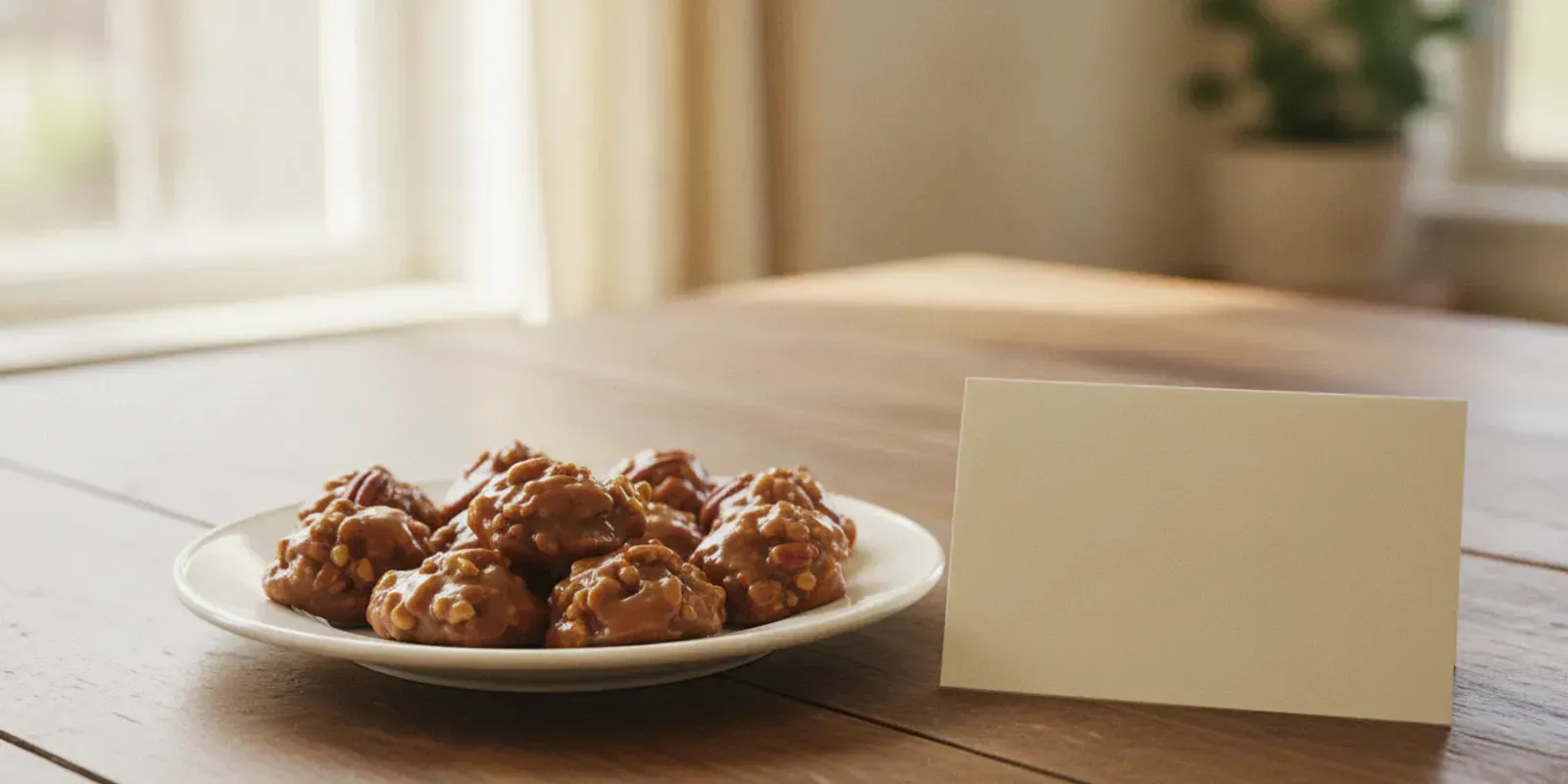
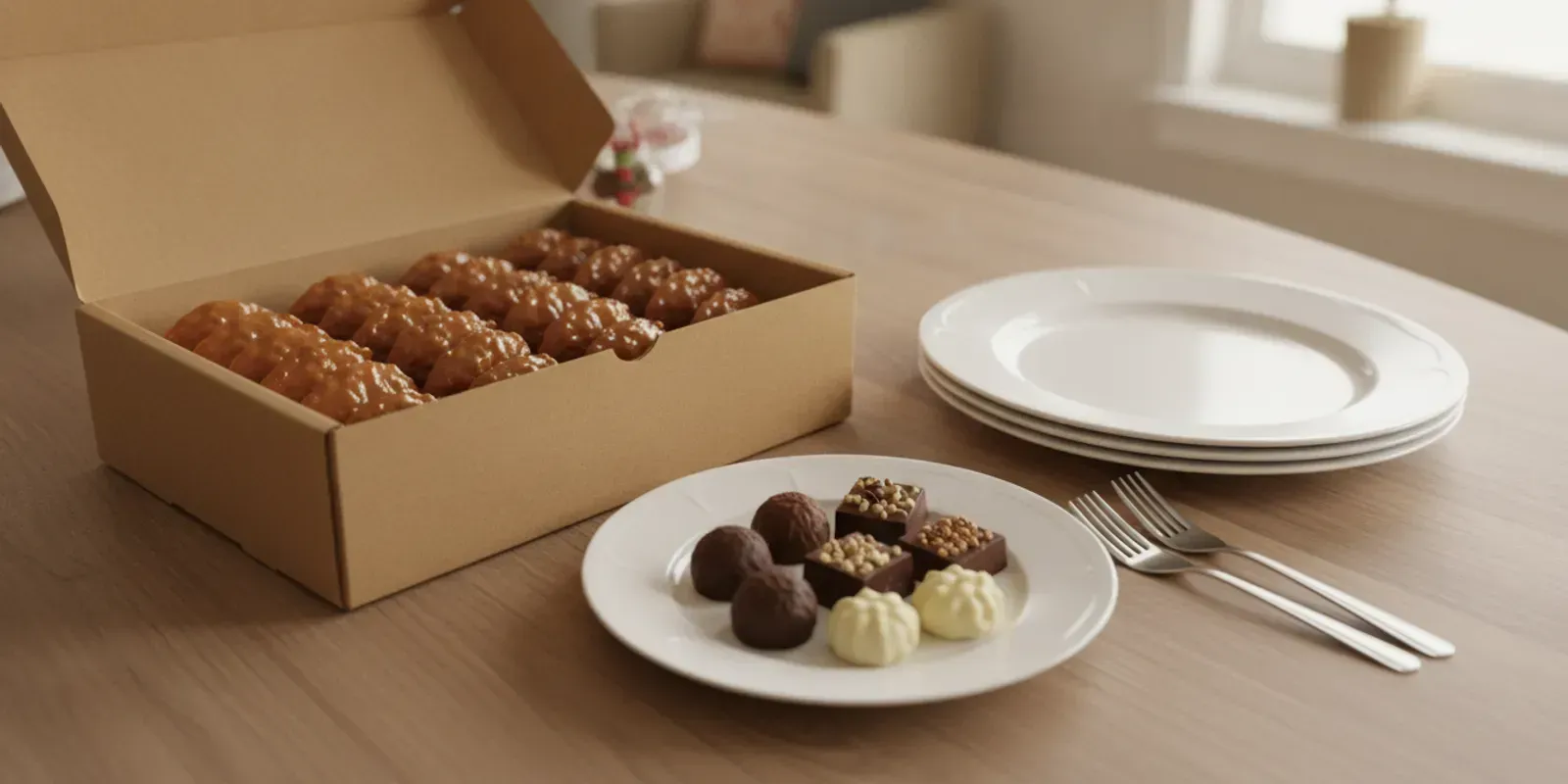
The History of Southern Pralines: From New Orleans to Today
Cory Mosley is the Vice President of Growth for Pecan Jacks. He supports franchise growth and brand strategy while helping protect the quality behind every scoop, bringing “A Sweet Day Is A Bite Away®” philosophy to customers across the country.
This is a subtitle for your new post

A single bite of a buttery praline connects modern candy lovers to three centuries of culinary history. This iconic sweet survived the journey from French courts to the French Quarter. It remains a staple of Southern hospitality.
Understanding the soul of this candy means looking back at how a snack for French dukes became a beloved Southern tradition. The long journey from European courts to American kitchens is full of royal flair and clever cooking. The first step is understanding the praline's royal birth in 17th-century France, where the story begins with a royal chef and a caramel-coated almond.
A Royal Invention: The Birth of the Praline in 17th-Century France
The story of the praline starts in the royal halls of 17th-century France. During this time, sweets were a sign of high status and wealth. King Louis XIII ruled a land that loved fine food and new ideas. It was in this setting that a simple nut treat was born. This treat would one day cross the ocean to become a beloved Southern snack. While the recipe has changed over the years, its royal roots remain a key part of its charm. Today, we often think of these treats as a simple comfort food. But in the 1600s, they were a mark of the elite.
The Duke and the Chef
The name "praline" comes from a famous French man. He was César de Choiseul, the Duke of Praslin. He was a diplomat who worked for the King. Most experts agree that pralines are named after the Duke. But the Duke did not cook the treats himself. His personal chef is the one who made the first batch. History gives credit to a chef named Clement Lassagne. Some stories also mention a man named Clement Jaluzot. Legend says that an almond fell into boiling sugar by mistake. The chef saw this and knew it could be a great new treat for his boss. He soon began making them for the Duke to share.
A Simple Sugar Coating
In the early 1630s, the first pralines looked very different from what we see today. They were made of whole almonds. Each nut was coated in caramelized sugar. At that time, people defined a praline as an almond boiled in sugar until dry and crispy. The goal was to create a sweet shell that would crack when bitten. These treats did not have the cream or butter that we love in modern handmade Southern pralines. Instead, they were simple, hard candies meant to show off the rich flavor of the nut. The crunch was a key part of the bite.
Royal Court Favor
The new treat quickly became a hit at the French court. The Duke of Praslin used the sweets to win favor with others. He gave them as gifts to guests and other noble people. Because sugar was costly, only the rich could afford such treats. By the middle of the 1630s, the name of the Duke was firmly linked to this new kind of candy. It was a time of grand life and style in France. The praline fit right in with the grand feasts of the era. It soon spread from the royal kitchens to the rest of the country. This laid the path for the candy to travel to new lands in the years to come. It was a royal start for a treat that would soon find a new home across the sea.
From French Kitchens to the Crescent City: How Pralines Crossed the Atlantic
Pralines made their way to North America during the early 18th century. Before they became a staple of Southern candy shops, these sweets traveled from Europe to the colonies. The term first appeared in print in 1715. This showed that the treat was already well known in some circles. This early mention marked the start of a long history in the New World.
A name and taste in flux
The word for this treat reached England by the end of the 17th century. Even then, the English name for the candy stayed in flux for many years. As French travellers and settlers moved to the New World, they carried their food customs with them. This move started the shift from a royal French snack to a common American delight.
Early versions of the sweet grew across many lands. While we often think of them as French, their growth involved many cultures. In North America, the candy emerged from meetings between First Nations people and European travelers. This mix of cultures helped shape the unique flavors we know today. The exchange of ideas and parts led to a sweet that showed the many roots of the region.
The Ursuline nuns in New Orleans
Most experts believe that the Ursuline nuns brought the first pralines to New Orleans in 1727. These nuns came from France to set up schools and clinics in the new colony. They taught young women how to cook. This helped spread the recipe through the city. By 1762, the candy was a firm part of the local food culture. It became a treat that joined the old ways of France with the new life in Louisiana.
Making these sweets has been a key part of city life for nearly 300 years. The tradition stayed strong as families passed down their recipes. Today, many people still look for handcrafted Southern pralines that use these old ways. The change from a small import to a city icon took place over many decades of hard work and shared recipes.
Finding a home in the South
When the treat arrived in the South, cooks had to make changes. The original French recipe used almonds. But those nuts did not grow well in the wet soil of Louisiana. Instead, candy makers found a local nut that worked even better. They began using pecans, which grew wild in the Southern United States. This switch gave the candy a rich, buttery taste that was entirely new.
By the 18th century. People wrote about the candy in books using the name "prawlin." These early recipes showed how the treat was changing to fit its new home. The move from whole almonds to pecan halves was the biggest shift. This change created the classic Southern treat that we enjoy today. It shows a perfect blend of European skill and local parts.
The Pralinières of New Orleans: Street Vendors and Entrepreneurship
Early Business Owners in the French Quarter
The story of New Orleans candy is not just about sugar and nuts. It is a tale of hard work and skill. Black women, called pralinieres, were some of the first local business owners. These women sold handcrafted Southern pralines on the city streets. They did this work long before and after the Civil War. This job gave them a way to earn their own money. For many, it was a path to earn a living when other jobs were hard to find.
These sellers did more than just hand out sweets. They ran their own small firms. They tracked their costs, picked the best spots, and built their own names. Experts now view these women as key business owners in the history of the South. They took a French treat and made it a local favorite. By using local pecans, they helped change the taste of the city. Their work showed how food could help people grow and find new paths in life.
Historic Spots and Street Life
If you walked through the French Quarter a long time ago, you would see these vendors in many places. A 1901 news report in the Daily Picayune noted their work in busy areas. They wore clean white aprons and head wraps. They sat with large baskets of fresh, sweet candy to greet the crowds. These women were often found in the busiest parts of town, such as:
- Canal Street near Bourbon and Royal streets
- Jackson Square in the heart of the city
- The areas near St. Louis Cathedral
These women chose the most active parts of the city. This was a smart move to reach more buyers. By staying in the heart of town, they made pralines a treat that everyone knew. Their spots near big shops and landmarks made the candy famous. Their work was a key part of the city's daily life. Even now, these same streets still carry the memory of their sweet trade. The sight of a vendor with a basket became a symbol of the local streets.
Books and Cultural History
The legacy of these street sellers lasted for a long time. In the 1930s, a writer named Lyle Saxon wrote about them in his book, Gumbo Ya-Ya. He showed how they were a vital part of the city's past. But the way others saw them was not always kind. While people loved their candy, they also made mock images of the sellers. Many old ads used their image to sell a false, simple view of Southern life.
Despite these odd views, the pralinieres stayed strong and busy. They were a common theme in New Orleans books and art for many years. Their real story is one of grit and success. Today, we know they were the true founders of the city's candy trade. They turned a simple snack into a gift known around the world. Their spirit of hard work lives on in every small batch made with care today.
The Great American Praline: From Almonds to Pecans
The story of the praline is one of change. It began in France as a hard nut treat but became a soft Southern staple. In the 1630s, the first French version used whole almonds coated in cooked sugar according to academic research on food history. These early sweets were dry and crunchy. When the recipe moved to the American South, cooks used what they had nearby. They swapped almonds for pecans and added cream to make the candy soft.
A Shift in Texture
The move from French to Southern styles changed how the candy felt. French pralines were often just nuts and sugar. Southern cooks added milk or cream to the mix. This made a creamy treat that melts in your mouth. By the early 20th century, these handcrafted Southern pralines were known for their rich taste. The use of white cane sugar and local pecans gave them a unique look and flavor.
The Rise of Aunt Sallys
In 1935, Aunt Sally's Pralines opened in New Orleans. They used a family recipe with white cane sugar and large pecan halves. They also added a hint of vanilla to the mix. This helped make the creamy Southern style famous for tourists and locals. Today, many shops still use these old ways to make small batches of candy. You can find this same care in each bite of an authentic praline recipe that follows these traditions.
Comparing the Two Styles
French and Southern pralines have clear differences. The French style stays close to its roots with a focus on simple, dry sugar. The Southern style is more like a fudge because of the dairy. Both types are still loved today for their sweet history.
The Artisan Praline Revival: Handcrafted Traditions at Pecan Jacks
The candy world is seeing a new love for old ways. Today, small shops bring back the care found in early kitchens. Pralines were the first treat we made just right. They are what put Pecan Jacks on the map. We take pride in keeping these Southern traditions alive while adding a new touch. By making each batch by hand, we ensure every bite has the rich taste that fans have loved for years.
Honoring the Southern candy legacy
Early sweets in the South were more than just food. For many, they were a path to a new life. In the 1800s, women in New Orleans used these treats to build their own shops. These early candy makers became key figures in their city. We follow this path of hard work and quality. Our goal is to serve the same joy that these classic sweets have given to families for a long time.
To keep this past strong, we use only the best parts in our kitchen. We focus on small batches rather than fast machines. This slow way of working lets us watch the sugar and nuts closely. You can taste this care in our handcrafted Southern pralines. Each piece offers a mix of crunch and cream that stays true to the roots of the Gulf Coast.
New flavors with premium spirits
While we love the old ways, we also like to try new things. We use a special way to add top-shelf alcohol to our sweets. This method keeps the deep taste of the spirits without losing the soft feel of the candy. We offer five great choices: Classic Southern, Caribbean Rum, Bourbon, Chocolate, and Assorted. Using real Bourbon and Rum makes our treats a top choice for adults.
This mix of old and new is at the heart of our shop. We want to honor the past while giving you a fresh treat. If you want to try these flavors at home, you might look for an authentic praline recipe to start. Whether you buy from us or bake in your kitchen, the goal is the same. We all want to keep the sweet history of the South alive for years to come.
Frequently Asked Questions
How should you store pralines to keep them fresh?
Pralines should be kept in a sealed container at room temperature. They usually stay fresh for about two to three weeks. For the best taste, keep them in a cool, dry place away from direct light. You can also wrap each candy in plastic wrap to help them stay soft and prevent them from drying out or getting hard.
Are pralines and fudge the same thing?
No, pralines and fudge are different treats. Fudge is a smooth candy made from sugar, butter, and milk. It has a soft and even feel. Pralines are made by boiling sugar and cream until they form a cookie-like shape with nuts. While both are sweet, pralines are crumbly and show off the crunch of pecans, whereas fudge is meant to be creamy and dense.
Can you get pralines with alcohol in them?
Yes, some candy shops now make pralines with real spirits. According to Pecan Jacks, they use a special way to add top-shelf bourbon and rum to their sweet treats. These were the first candies the family made and the ones that put the shop on the map. They mix the deep taste of aged spirits with the sweet, buttery flavor of Southern pecans in every small batch.
What is the best way to pronounce praline?
In New Orleans and much of the South, people say "praw-leen." Folks in other parts of the country or in France may say "pray-leen." Both are correct. But "praw-leen" is the local choice where the candy is most famous. No matter how you say it, the name refers to the same nut and sugar treat that has been a Southern staple for hundreds of years.
Ready to explore our handcrafted Southern pralines or buy a gift?
Every day you wait to try these treats is a day you miss out on a creamy tradition that has been perfected over many years. If you do not act now, you lose the chance to share this history while our latest small batch is at its very peak. You can start your own sweet tradition today with the Classic Southern or Bourbon flavors that put our candy shop on the map for good.
Ready to shop the full candy collection? Explore handcrafted Southern pralines to find your favorite flavor and get a taste of the South today. Our team is standing by now to ship your fresh order fast.