Your Guide to Perfect Homemade Lemon Ice Cream
Cory Mosley is the Vice President of Growth for Pecan Jacks. He supports franchise growth and brand strategy while helping protect the quality behind every scoop, bringing “A Sweet Day Is A Bite Away®” philosophy to customers across the country.
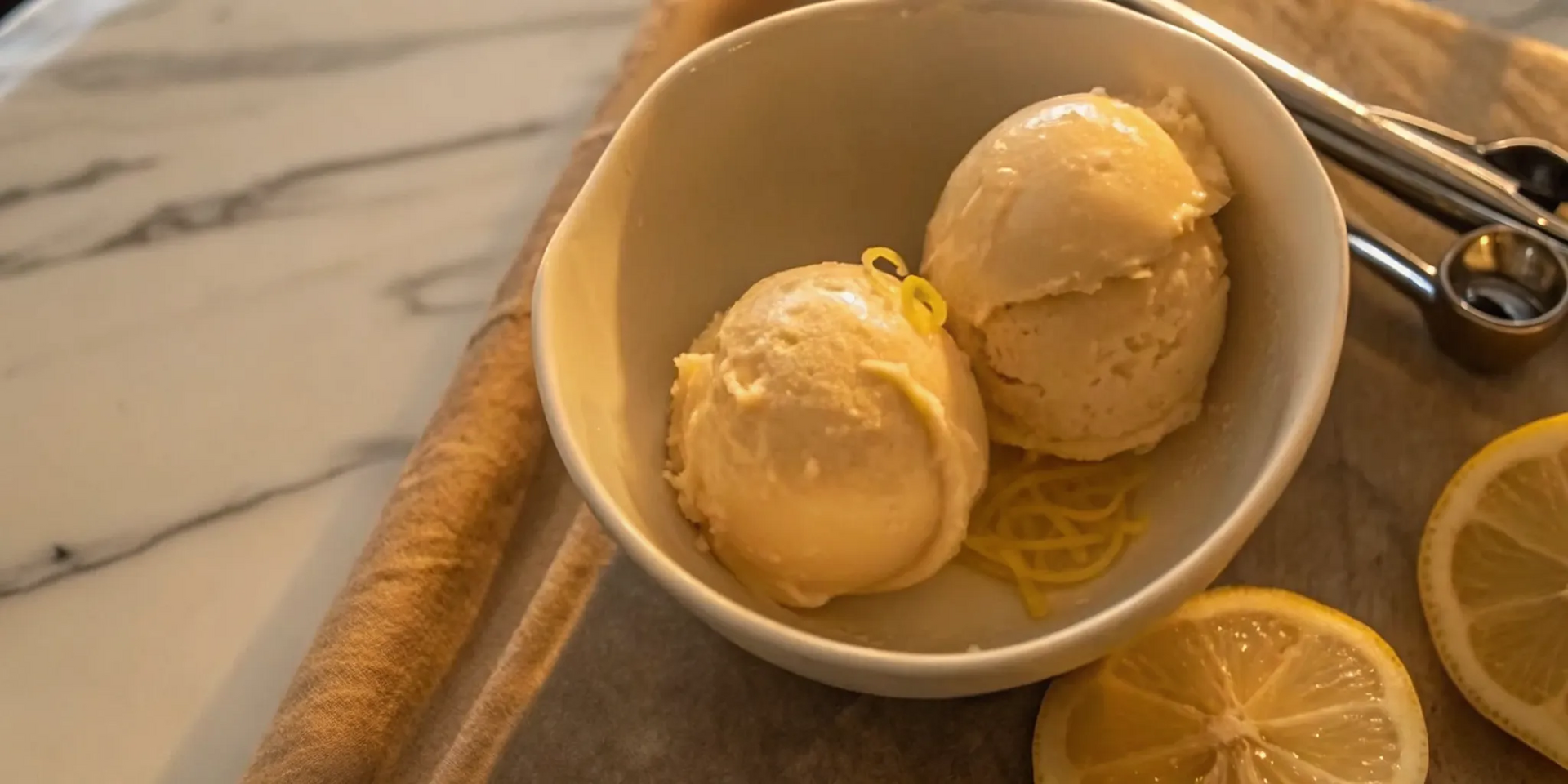
The secret to an unforgettable lemon ice cream isn’t a complicated recipe; it’s the lemon itself. Capturing that bright, zesty flavor without it tasting artificial or overly sour is the ultimate goal. It all begins at the grocery store, choosing fruit that’s heavy with juice and full of aromatic oils. Using fresh juice is non-negotiable for that pure, sunshine-in-a-spoon taste. This guide is all about building flavor from the ground up, showing you how simple choices—from the fruit you pick to when you add the juice—make all the difference between a good ice cream and a truly spectacular one.
Key Takeaways
- Prioritize fresh ingredients for the best flavor: For that signature bright, zesty taste, always use freshly squeezed lemon juice. Bottled juice simply can't replicate the vibrant flavor that fresh lemons and high-quality cream bring to your homemade ice cream.
- Chill your base thoroughly and add lemon juice last: The secret to an ultra-smooth texture is patience. Chilling your base for at least four hours and stirring in the acidic lemon juice right before churning is the key to preventing ice crystals and a grainy, curdled result.
- Get creative with your recipe : A great lemon ice cream is the perfect canvas for experimentation. Whether you use a simple no-churn method or infuse your base with herbs like basil, the right technique allows you to easily create a unique and delicious dessert.
What Makes the Perfect Lemon Ice Cream?
There's something truly special about a scoop of lemon ice cream. It’s that perfect balance of creamy sweetness and bright, zesty tartness that feels like sunshine on a spoon. At Pecan Jacks, we believe the magic of any great ice cream starts with incredible ingredients and a little bit of know-how. We've spent years perfecting our recipes, and we've learned that creating that perfect lemon flavor isn't about complicated steps; it's about understanding what makes each component shine. It’s a dessert that can be both comforting and refreshing, making it a favorite all year round.
Getting that vibrant, true lemon taste without it being too sour or turning icy is the goal. The secret lies in the details. From picking the right fruit at the grocery store to knowing exactly when to add your juice to the base, a few simple choices can make all the difference between a good ice cream and an unforgettable one. It’s about building layers of flavor from the ground up. So, let's walk through the essentials for crafting a lemon ice cream that’s smooth, creamy, and bursting with that fresh, citrusy flavor you're craving.
The Key Ingredients You'll Need
To get that signature creamy texture and vibrant taste, you’ll want to gather a few core ingredients. The foundation of a classic lemon ice cream includes whole milk and heavy whipping cream, which create a rich, smooth base. Sugar provides the necessary sweetness to balance the tart lemon, while eggs (specifically the yolks) are often used to create a custard base that results in an even more decadent texture. And of course, the star of the show is the lemon. You'll use both the zest and the juice to capture the full, bright flavor of the fruit. A pinch of salt and a splash of vanilla extract round everything out, enhancing all the other flavors.
How to Pick the Best Lemons
Choosing the right lemons is your first step toward amazing flavor. When you're at the store, look for lemons that feel heavy for their size, as this is a great sign they are full of juice. You'll also want to find ones with relatively thin, smooth skin. Since you'll be using the zest, I always recommend grabbing organic lemons if you can to avoid any waxy coating. For a fun twist, you can also try making your ice cream with Meyer lemons. They are a cross between a lemon and a mandarin orange, so they have a slightly sweeter, less acidic taste and a beautiful floral aroma that makes for a truly unique ice cream.
Fresh vs. Bottled Juice: Does It Matter?
I’m going to be direct here: yes, it absolutely matters. If there's one rule to follow for the best lemon ice cream, it's to always use freshly squeezed lemon juice. Bottled juice just can't compare. It often has a dull, slightly bitter, or metallic taste because it's been pasteurized and may contain preservatives. A homemade lemon ice cream recipe gets its signature zing from the vibrant, pure flavor that only comes from fresh lemons. Squeezing the juice yourself right before you make your base ensures you capture all those bright, aromatic oils and create a flavor that is genuinely refreshing and delicious. It’s a small step that makes a world of difference.
How to Make Lemon Ice Cream: Exploring the Methods
Making incredible lemon ice cream at home is totally achievable, and you have a few different paths you can take to get there. The best method for you really depends on the tools you have in your kitchen and the final texture you’re dreaming of. Whether you own an ice cream maker or not, you can create a scoop-worthy dessert that rivals any shop.
We’ll walk through the most common approaches, from using a classic ice cream maker to a super simple no-churn technique. We'll also explore the difference between a rich, custard-style base and a lighter, fresher Philadelphia style. And for those of you who love to experiment, we have a special trick for getting the most vibrant lemon flavor possible. Let’s find the perfect method for your next kitchen adventure.
Using an Ice Cream Maker
If you have an ice cream maker, you’re already on the fast track to exceptionally smooth and creamy results. These machines work by churning your ice cream base as it freezes, which incorporates air and prevents large, crunchy ice crystals from forming. The result is that classic scoop-shop texture we all love. The most important step is to make sure your ice cream base is completely cold before you pour it into the machine. We’re talking several hours or even overnight in the fridge. Once it's thoroughly chilled, you can follow your ice cream maker’s instructions to churn it into a soft, luscious treat before transferring it to the freezer to firm up.
The No-Churn Method
Don’t have an ice cream maker? No problem at all. The no-churn method is your secret weapon for making amazing ice cream with minimal equipment. This technique typically relies on two key ingredients: sweetened condensed milk and heavy whipping cream. The sweetened condensed milk provides the sugar and milk solids needed for a creamy texture without becoming icy, while the whipped cream incorporates the air that a churner normally would. It’s a wonderfully simple and refreshing dessert that comes together by just mixing your ingredients, chilling them, and letting your freezer do the rest of the work. It’s a fantastic, fuss-free way to enjoy homemade lemon ice cream.
Custard-Based vs. Philadelphia Style
When you look at ice cream recipes, you’ll often see them described as either custard-based (also called French style) or Philadelphia style. A custard base uses egg yolks, which are cooked with milk and sugar to create a rich, thick foundation. This process adds a wonderful depth and an ultra-creamy mouthfeel, but it does require a bit more time and attention on the stove. In contrast, the Philadelphia style is an eggless base made from just milk, cream, and sugar. It’s much quicker to prepare and results in a lighter, cleaner flavor that really allows the bright taste of the lemon to take center stage.
For a Deeper Flavor: The Oleo Saccharum Method
If you want to create a truly unforgettable lemon ice cream with a deep, complex flavor, you have to try making an oleo saccharum. It sounds fancy, but it’s a classic technique that simply means “oily sugar.” You just need lemon peels (with as little white pith as possible) and sugar. By mixing them together and letting them sit for a few hours or overnight, the sugar draws out the intensely aromatic essential oils from the peels. This creates a fragrant lemon syrup that you can add to your ice cream base. Using an oleo saccharum captures a bright, floral lemon essence that you just can’t get from juice alone.
How to Get the Best Flavor and Texture
Making lemon ice cream is a bit of a science experiment, but a delicious one. The acidity that gives lemons their bright, zesty flavor can also cause a few problems, like a curdled base or an icy texture. But don't worry, getting that perfectly smooth, creamy result is easier than you think. It all comes down to a few key techniques that will help you manage the ingredients and the temperature. With these tips, you'll be able to create a lemon ice cream that’s rich, refreshing, and wonderfully smooth every single time.
Balance Sweet and Tart Flavors
The magic of a great lemon ice cream lies in the perfect harmony between sweet and tart. You want that refreshing pucker from the lemon, but it needs to be softened by enough sweetness to make it a satisfying dessert. Since lemons can vary a lot in their tartness, it’s a good idea to taste your lemon juice before you start. If it’s making you squint, you might need to add a touch more sugar than the recipe calls for. The goal is a bright, vibrant flavor that sings, not a sour note that overpowers everything else.
Prevent Curdling and Ice Crystals
Curdling and ice crystals are the two biggest culprits that can ruin a batch of homemade lemon ice cream. Curdling happens when the acid from the lemon juice reacts with the dairy proteins. To avoid this, always cook and completely chill your base before adding the lemon juice. For preventing ice crystals, the secret is speed and temperature. A thoroughly frozen ice cream maker bowl and a very cold base will help the mixture churn and freeze quickly. Faster freezing creates smaller ice crystals, which is how you get that signature creamy texture. These are some of the most common mistakes to avoid and are easy to sidestep once you know about them.
Chill Your Base Correctly
Patience is a virtue, especially when it comes to chilling your ice cream base. For a truly smooth and creamy texture, your base needs to be very cold before it goes into the ice cream maker. After you’ve prepared your mixture, cover it and let it chill in the refrigerator for at least four hours, though overnight is even better. This step ensures the fat in the cream gets nice and cold, which helps create a more stable emulsion. A properly chilled base churns more efficiently, resulting in a smoother final product with fewer ice crystals.
Know When to Add the Lemon
Timing is everything when adding lemon juice to your ice cream base. To get that fresh, zesty flavor without risking a curdled mess, you should add the lemon juice at the last possible moment. Wait until your custard or cream base is completely chilled and you’re just about to pour it into the ice cream maker. Stir in the fresh lemon juice right before you start churning. This minimizes the time the acid has to interact with the dairy, preserving the smooth, creamy texture of your base while locking in that bright, beautiful lemon flavor.
Our Classic Custard-Based Lemon Ice Cream Recipe
Ready to make a lemon ice cream that’s unbelievably rich and creamy? This classic custard-based recipe is our go-to for achieving that signature artisanal texture we love at Pecan Jacks. Making a custard base requires a little extra care, but the result is a luxuriously smooth ice cream that’s worth every minute. The egg yolks create an emulsion that prevents ice crystals and gives the final scoop a dense, velvety feel that perfectly carries the bright, zesty lemon flavor. It’s a timeless method that guarantees a dessert that feels truly special. Grab your apron, and let’s get started on this delightful treat.
Step-by-Step Instructions
First, you'll create the custard base. In a saucepan, combine your eggs, sugar, salt, lemon juice, zest, and one cup of milk. Cook this over medium heat, stirring gently until it just begins to simmer. This step is what builds that rich foundation. Next, pour the warm mixture through a fine-mesh strainer to catch any zest or tiny bits of cooked egg, ensuring your final product is perfectly smooth. Now for a very important step: patience. Chill the strained mixture in the refrigerator until it's completely cold. Once chilled, you can follow the instructions for your ice cream maker, adding the whipping cream and churning until it’s light and fluffy. For a firmer, scoop-shop consistency, transfer it to the freezer to harden for a couple of hours.
Tips for Temperature and Safety
Getting the temperature right is everything when making custard-based ice cream. To prevent the dairy from curdling, which can happen when it meets the acidic lemon juice, it's best to add the juice just before you churn. Cook and completely chill your base first, then stir in the lemon juice right at the end. This simple trick keeps everything smooth. Another key to success is making sure your ice cream maker's freezer bowl is frozen solid. A partially frozen bowl won't get your base cold enough, fast enough, leading to a soupy texture. Following these steps helps you avoid common mistakes and ensures a safe, delicious, and perfectly creamy result every time.
A Simple No-Churn Lemon Ice Cream Recipe
Don't have an ice cream maker? No problem at all. You can still create a wonderfully creamy and refreshing lemon ice cream right in your own kitchen. This no-churn method is my go-to for a quick and impressive dessert. It relies on a few simple ingredients and a bit of kitchen science to achieve that perfect scoopable texture without any special equipment. It’s a fantastic way to enjoy the bright, zesty flavor of lemon in a homemade treat that feels just as special as the churned version.
The 3-Ingredient Base
The beauty of this recipe lies in its simplicity. You only need three core ingredients for the base: heavy cream, sweetened condensed milk, and fresh lemons for their juice and zest. This type of ice cream is often called "Philadelphia style," which just means it’s made without eggs. This results in a lighter, cleaner flavor that really lets the lemon shine. The heavy cream whips up to create a light, airy foundation, while the sweetened condensed milk adds sweetness and ensures a smooth, creamy texture that won't turn icy in the freezer. It's the perfect canvas for that bright citrus flavor we all love in our gourmet ice cream.
How to Whip and Fold for a Creamy Texture
The secret to a creamy no-churn ice cream is all in the technique. First, you'll whip the cold heavy cream until stiff peaks form. This step incorporates air, which is what gives the ice cream its light and fluffy structure. Next, you'll gently fold in the sweetened condensed milk and lemon juice. An interesting thing happens here: the acid in the lemon juice reacts with the cream, naturally thickening it. The sugar in the condensed milk is also doing important work, balancing the tartness of the lemon and preventing the mixture from freezing into a solid block. This careful whipping and folding process is what creates that dreamy, scoopable consistency, no machine required.
Common Mistakes to Avoid
Making ice cream at home is so rewarding, but a few small missteps can lead to a less-than-perfect scoop. With a tricky flavor like lemon, getting the details right is key. The good news is that most issues are easy to prevent once you know what to look for. Let's walk through the most common mistakes so you can get a flawless batch every time.
Don't Add Lemon Juice Too Soon
This is the number one rule of lemon ice cream. It’s tempting to mix all your flavorings in at once, but with lemon, patience is everything. The acidity in the juice can react with the dairy proteins and cause your smooth base to curdle, resulting in a grainy texture. To avoid this, always cook and completely chill your ice cream base first. Once it's cold, stir in the fresh lemon juice right before you pour the mixture into your ice cream maker. This simple timing trick is something many home cooks learn the hard way, but now you're in on the secret.
Avoid Common Prep and Equipment Mistakes
Your ice cream maker is your best friend, but only if it's ready for the job. A common mistake is using a freezer bowl that isn't cold enough. A partially frozen bowl won't churn the base quickly, leading to large ice crystals and an icy texture. For best results, store your bowl in the coldest part of your freezer for at least 24 hours before use. Another frequent error is overfilling the machine. Your ice cream needs room to expand as it churns and incorporates air, so never fill the bowl more than two-thirds full to give it space to grow.
How to Fix Common Texture Issues
If you've ever ended up with icy ice cream, you know how disappointing it can be. The secret to a silky-smooth texture is creating the smallest ice crystals possible, which comes down to temperature and speed. Besides using a frozen-solid bowl, you must also thoroughly chill your ice cream base. A lukewarm base takes too long to freeze, giving large ice crystals time to form. Aim to chill your base for at least four hours, or overnight. Following these steps will help you avoid the most common ice cream mistakes and achieve that dreamy, scoop-shop quality texture you're after.
Fun Variations for Your Lemon Ice Cream
Once you’ve mastered a basic lemon ice cream recipe, you can start having some real fun in the kitchen. Think of your classic recipe as a blank canvas. By swapping just one or two ingredients, you can create a completely new dessert experience. Whether you’re in the mood for something a little sweeter, more aromatic, or with a fun textural surprise, there are so many simple ways to put a personal spin on this sunny treat. From trying different types of citrus to adding fresh herbs and creative mix-ins, these variations will help you craft a truly unique and memorable lemon ice cream.
Try Meyer Lemons or Other Citrus
For a slightly different take on the classic lemon flavor, try using Meyer lemons. They are a cross between a regular lemon and a mandarin orange, which gives them a distinctly sweeter, less acidic taste and a beautiful floral aroma. Using them will give your ice cream a softer, more nuanced flavor profile that’s incredibly delicious. As many home cooks have discovered, the flavor of Meyer lemons is a step above what you might find in a typical grocery store. You can also experiment with other citrus fruits like yuzu for an exotic twist or a blend of lemon and lime for a zesty combination that really pops.
Infuse with Herbs and Spices
Adding herbs or spices is a fantastic way to introduce a layer of aromatic complexity to your lemon ice cream. Lemon pairs beautifully with fresh herbs like basil, mint, lavender, or even thyme. The key is to gently infuse their flavor into your ice cream base. Simply add a few sprigs of your chosen herb to the milk and cream mixture as it heats up. Let it steep for about 20 to 30 minutes off the heat, then strain the liquid to remove the herbs before you chill the base. This simple technique lets you adapt a recipe to capture the pure essence of the herb without flecks of green in your final scoop.
Get Creative with Mix-Ins
Mix-ins are where you can really let your personality shine and add delightful texture to your ice cream. The possibilities are endless. Think about folding in crushed shortbread cookies, a swirl of raspberry jam, chunks of lemon pound cake, or fresh blueberries. One of my favorite ideas came from a home chef who made a "lemon blueberry cake" ice cream by adding cake pieces and berries. To get the best results, add your mix-ins during the last few minutes of churning. If you’re making a no-churn version, gently fold them in just before the final freeze. This ensures they stay chunky and distributed evenly.
Making It Dairy-Free
If you or your guests avoid dairy, you can absolutely make a delicious dairy-free lemon ice cream. The best substitute for heavy cream is full-fat canned coconut cream, which provides the richness needed for a smooth, creamy texture. Just be aware that this will give your ice cream a noticeable coconut flavor, which can be a lovely combination with the bright lemon. As one recipe creator points out, you can use coconut cream for a dairy-free option, but it will taste like coconut. It’s a simple swap that makes it possible for everyone to enjoy a refreshing scoop.
How to Store and Serve Your Ice Cream
You’ve churned your way to a beautiful, creamy lemon ice cream. Congratulations! Now, let's make sure every scoop is as perfect as the first. Storing and serving your ice cream correctly is the final step to guarantee a fantastic dessert experience. A little care here goes a long way in preserving that bright, zesty flavor and silky texture you worked so hard to achieve. These simple tips will help you protect your creation from the freezer and present it beautifully when you're ready to enjoy it with family and friends.
Store It Right to Keep It Fresh
The biggest enemy of homemade ice cream is ice crystals, which can turn your creamy dessert into an icy block. To avoid this, your best defense is a good storage container. Transfer your freshly churned ice cream into a shallow, flat, airtight container. This shape helps it freeze quickly and evenly, which is key to a smooth texture. For extra protection, you can press a piece of plastic wrap or parchment paper directly onto the surface before sealing the lid. This simple trick minimizes air contact and helps prevent freezer burn. Stored this way, your lemon ice cream should stay fresh for up to two weeks.
Serve at the Perfect Temperature
Ever tried to scoop homemade ice cream straight from the freezer, only to find it’s hard as a rock? That’s completely normal. Unlike store-bought varieties, homemade ice cream doesn't contain commercial stabilizers, so it freezes much harder. The secret to perfect scoops is patience. Let the container sit on the counter for 5 to 10 minutes before serving. This process, called tempering, softens the ice cream just enough to make it scoopable and allows the flavors to bloom. For an even smoother serving experience, dip your ice cream scoop in warm water between scoops.
Ideas for Garnishes and Pairings
This is where you can really have fun. A simple scoop of lemon ice cream is wonderful on its own, but a few thoughtful additions can make it truly special. For a beautiful presentation, serve it in chilled bowls with a garnish of fresh mint leaves or a sprinkle of lemon zest. You can also make candied lemon peel for a sweet, chewy topping that looks as good as it tastes. Lemon ice cream pairs wonderfully with other desserts, too. Serve a scoop alongside fresh raspberries, a slice of pound cake, or a couple of buttery shortbread cookies for a delightful contrast in texture and flavor.
Related Articles
- Who Makes Key Lime Ice Cream? 8 Brands to Know
- How to Make Almond Ice Cream From Scratch
- Pecan Jacks Ice Cream News: Expansions, Awards & More
Frequently Asked Questions
Why did my lemon ice cream turn out grainy or curdled? This is the most common hiccup when making lemon ice cream, and it almost always comes down to timing. That grainy texture happens when the acid from the lemon juice reacts with the dairy proteins, causing them to separate. The simple fix is to wait to add your lemon juice until the very last moment. Prepare and completely chill your cream or custard base first, then stir in the fresh juice right before you pour the mixture into your ice cream maker to churn.
My homemade ice cream is icy, not creamy. What did I do wrong? An icy texture is usually caused by ice crystals that grew too large during the freezing process. To get that silky-smooth consistency, you need everything to freeze as quickly as possible. This means your ice cream base must be thoroughly chilled (I recommend overnight in the fridge) and your ice cream maker's freezer bowl must be frozen completely solid. A lukewarm base or a partially frozen bowl will slow down the churning time, giving those pesky ice crystals a chance to form.
Is it really necessary to use fresh lemon juice instead of bottled? Yes, it makes a world of difference. If you want a truly vibrant, refreshing lemon flavor, you have to use freshly squeezed juice. Bottled juices are pasteurized and often contain preservatives that give them a dull, sometimes metallic taste. Fresh juice contains all the bright, aromatic oils from the fruit that give your ice cream that signature zesty flavor that tastes like pure sunshine.
What's the main difference between a custard base and a no-churn recipe? The biggest difference is texture and preparation. A custard-based ice cream uses cooked egg yolks to create a rich, dense, and incredibly smooth foundation, similar to what you'd find in an artisanal ice cream shop. It takes a bit more effort but the velvety result is worth it. A no-churn recipe is much quicker and uses whipped heavy cream and sweetened condensed milk to create a lighter, airier texture without any special equipment. Both are delicious, so it just depends on the final texture you prefer.
How long can I store my homemade ice cream before it goes bad? For the best flavor and texture, you should plan to enjoy your homemade lemon ice cream within two weeks. To keep it fresh, store it in a shallow, airtight container in the coldest part of your freezer. Pressing a piece of plastic wrap directly onto the surface of the ice cream before sealing the lid also helps prevent ice crystals and freezer burn from forming.