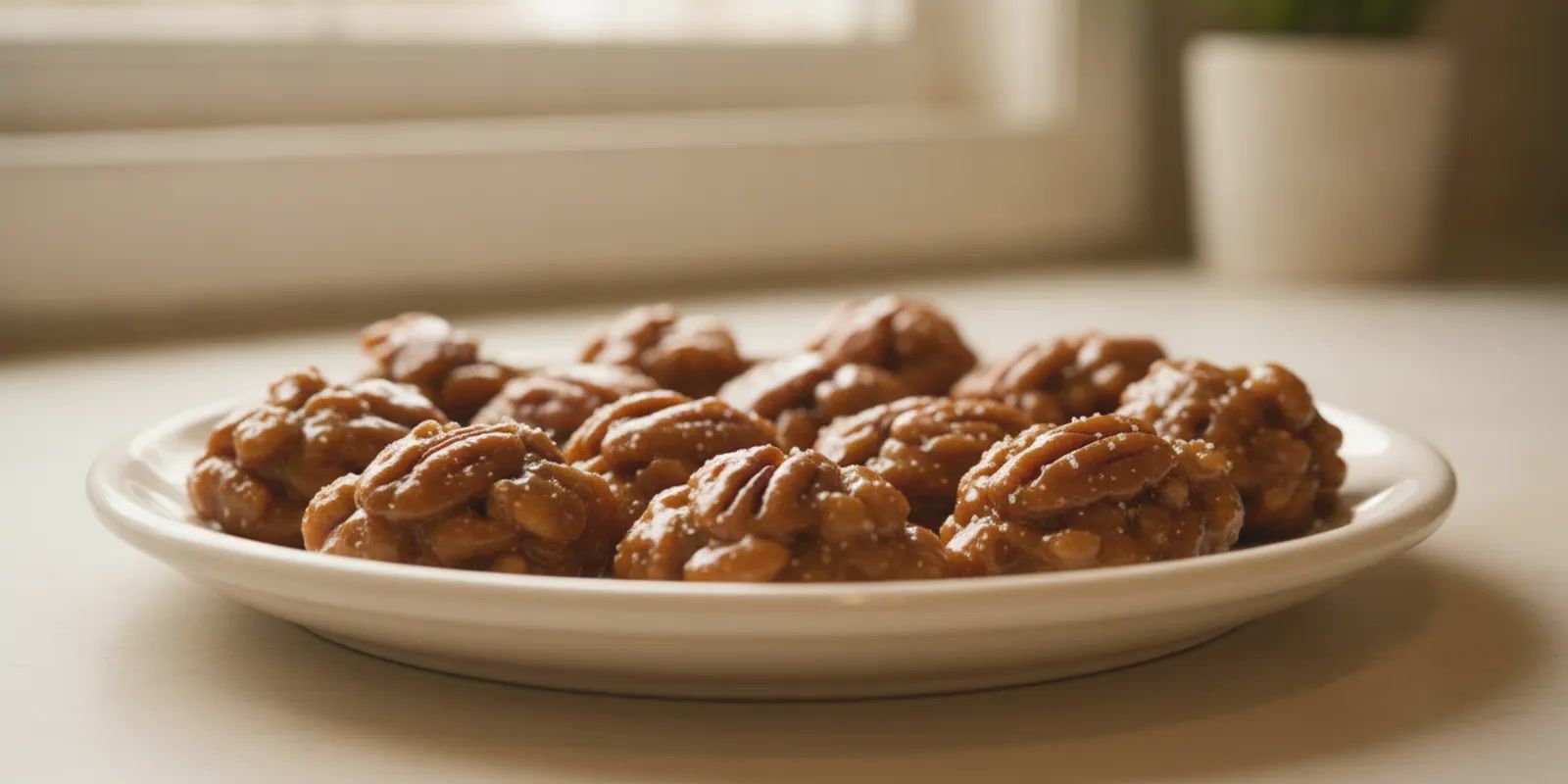
How to Make Praline Pecans: A Texture Guide

Cory Mosley is the Vice President of Growth for Pecan Jacks. He supports franchise growth and brand strategy while helping protect the quality behind every scoop, bringing “A Sweet Day Is A Bite Away®” philosophy to customers across the country.
Learn how to make praline pecans with clear ingredient roles, candy-stage cues, cooling and storage tips, plus fixes for grainy or sticky results.
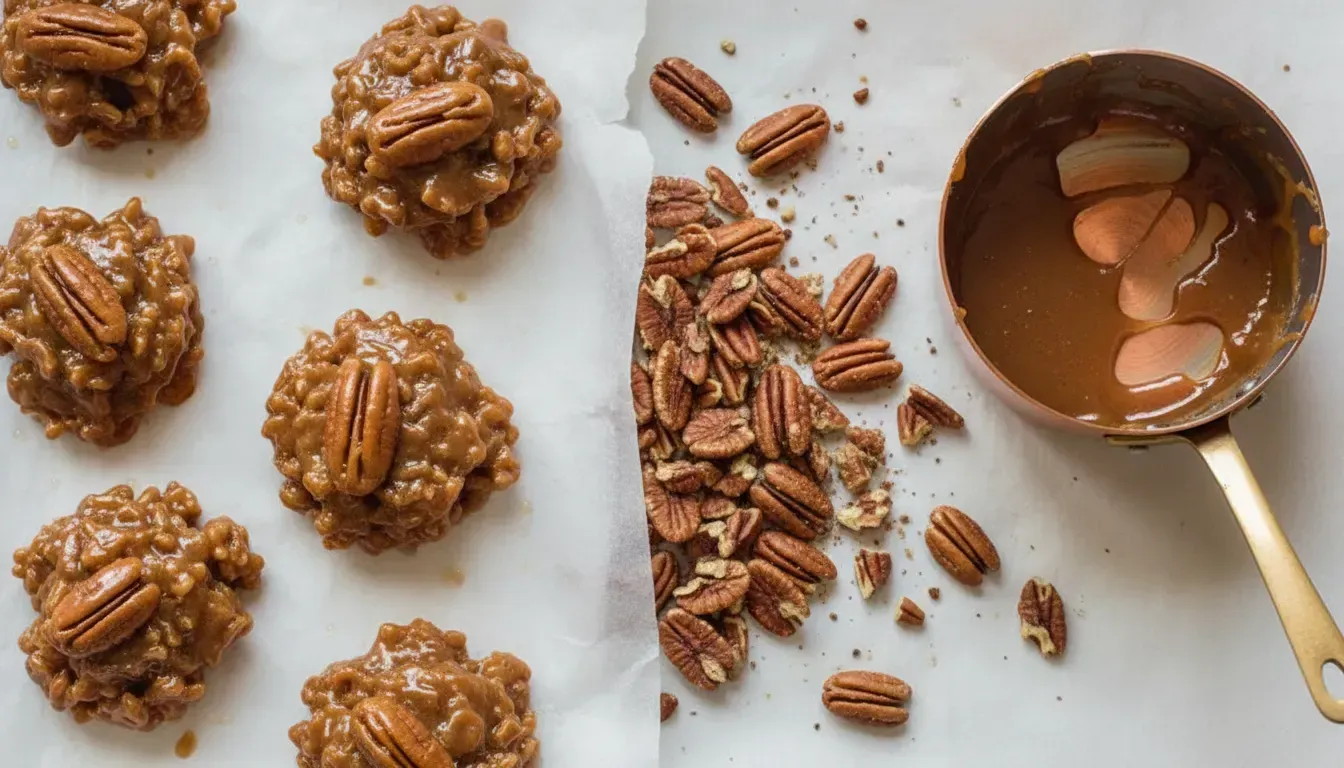
Learning how to make praline pecans starts with one important idea: the texture depends on timing as much as ingredients. A smooth sugar mixture can become a tender, creamy Southern confection when it reaches the right stage. But a few extra moments of heat or too much stirring can change the result. For beginners, visual cues are just as useful as a thermometer because the candy changes noticeably as it cooks and cools.
The best place to begin is with the ingredients themselves. Sugar creates the structure, the dairy or butter brings richness and softness, and pecans add the toasted flavor and satisfying contrast that make each piece feel substantial. Salt and vanilla can sharpen and round out the finished candy, but balance matters: changing one component can affect how the mixture cooks and sets. Once you know what each ingredient contributes, the process becomes easier to read instead of feeling like a race against the clock.
That foundation also helps explain why two batches made with similar ingredients can have different textures. The cooking stage, the way the mixture is stirred after heat, and the cooling conditions all matter. Next, we will look at the role each ingredient plays so you can make practical choices before turning on the stove.
What Ingredients Give Praline Pecans Their Texture?
Answer: Praline texture comes from the balance between a cooked sugar mixture, enough dairy or liquid to form the syrup, butter for richness, and pecans for structure. Salt and vanilla sharpen the flavor. The final texture depends on how those ingredients are cooked, stirred, and cooled together.
Each ingredient has a job beyond taste. A useful way to understand how to make praline pecans is to watch how the ingredients change the candy from a thin syrup into a creamy coating that sets around the nuts.
The liquid gives sugar a path to dissolve before the syrup concentrates. As it thickens, butter adds richness, while pecans interrupt the smooth candy with a satisfying bite.
Ingredient proportions and timing vary, so treat the recipe you choose as a complete system. For another traditional approach, compare our traditional pecan praline recipe. Fully dissolved sugar and focused stirring support a creamy finish.
How to Make Praline Pecans Without Guesswork
Answer capsule: To learn how to make praline pecans reliably, prepare every ingredient first, cook the sugar mixture to the recipe's stated stage. Then add the pecans and portion the candy while it is still workable. Watch the texture as closely as the thermometer: the syrup should thicken. The nuts should look glossy and coated, and the finished mixture should fall from a spoon rather than run.
This workflow is a practical guide, not Pecan Jacks' tested house recipe. Use the amounts from the recipe you choose and treat these visual cues as checks.
- Prep the pan and ingredients. Use a heavy saucepan to distribute heat and reduce scorching. Line a baking sheet with waxed paper. Measure the sugar, dairy, salt, butter, and pecans before turning on the stove, and have a heat-safe spoon and candy thermometer ready. Check the thermometer in boiling water and account for any difference while cooking.
- Combine the base. Add the sugar, dairy ingredient, and salt to the saucepan called for in your recipe. Stir until the mixture is evenly combined, scraping the bottom so no sugar sits in a hot spot.
- Heat until the syrup reaches its target stage. Bring the mixture to a steady boil, stirring often. Follow the recipe's temperature rather than time alone. A soft-ball-style method may target about 234 degrees F, but recipes vary. On a humid day, visual texture matters even more.
- Add the pecans at the specified point. When the syrup reaches the stage directed by your recipe, add the pecans and any ingredients reserved for this step. Stir until every nut is coated. The mixture should look glossy at first, then become visibly thicker as it cooks.
- Remove the pan from the heat. Do not keep cooking simply because the candy looks loose immediately after the pecans go in. Take it off the burner at the recipe's stated point, then add butter or flavoring if the method directs you to do so. Butter contributes richness and texture, while spreads and margarine may change the final set.
- Stir as it cools slightly. Beat or stir the mixture until it loses its wet shine and becomes smooth, creamy, and thick enough to hold a soft mound. This change can happen quickly, so stay with the pan. If it becomes firm before portioning, a small amount of additional stirring can make the texture harder to spread, not easier.
- Portion and leave undisturbed. Drop spoonfuls onto the prepared waxed paper, spacing them so they do not touch. Let them cool and set at room temperature before moving them. For a regional variation, compare this process with the ingredient and texture notes in our New Orleans-style pralines guide.
What Should You Watch During Each Cooking Stage?
Answer: Watch the syrup's texture and movement, not just the clock. The mixture should dissolve smoothly, boil steadily, reach a soft-ball consistency, then turn creamy as you stir it off the heat. Those changes tell you when to move to the next stage.
During the early dissolve, keep the heat moderate and stir enough to help the sugar disappear into the liquid. Scrape the bottom and sides so dry sugar does not linger and scorch. The mixture may look thin and wet at first. Before the boil becomes vigorous, look for a mostly smooth syrup with no obvious grains around the pan.
Once the syrup reaches an active boil, maintain steady heat rather than chasing the highest flame. The bubbles should cover much of the surface as the mixture thickens. Stir according to the recipe and keep the thermometer tip in the syrup without touching the pan.
At readiness, the syrup should reach the recipe's soft-ball target and look thicker and more cohesive. A spoonful should hold together rather than run like water. Depending on the method, the pecans may look glossy and evenly coated before the mixture is removed from the heat. Do not rely on color alone. A pale batch can be ready, while a darker batch may already be overcooked.
After removing the pan from the heat, the candy is still changing. Stir in the pecans and continue beating or stirring until the mixture loses its wet shine and becomes smoother and creamier. This is the moment to watch closely: wait too long and it may set in the pan; portion too soon and it may spread. Drop spoonfuls onto the prepared surface while the mixture still holds its shape. For a deeper explanation of praline texture and sugar crystallization, see the related guide.
How Do You Cool and Store Praline Pecans?
Answer: Portion the warm praline mixture onto a lined surface, leave each piece undisturbed until fully set, and seal the cooled candy in an airtight container. Keeping moisture away helps preserve the texture you worked to create.
Have your waxed paper or parchment ready before you take the pan off the heat. Drop the mixture by spoonfuls, allowing enough space between portions so the pieces do not run together. If the recipe directs you to beat the mixture briefly after cooling it slightly, work efficiently: it can thicken quickly as it loses heat.
Once portioned, resist the temptation to move or press the pralines. Let them cool at room temperature until the centers feel firm and the surface is no longer warm. Sealing candy while it is still warm traps condensation inside the container, which can leave the coating tacky. Cooling time varies with portion size, pan temperature, and the humidity in your kitchen, so use the texture as your guide rather than a rigid timer.
For storage, wrap individual pieces if you plan to handle them often, then place them in a container with a tight-fitting lid. Keep the container in a cool, dry spot at room temperature, away from steam, direct sun, and the stove. Avoid storing pralines beside candies that readily give off or absorb moisture. A humid day can soften the exterior, so smaller airtight batches may be easier to manage than one frequently opened container.
For a practical overview of timing and texture changes, see this praline freshness guide. You can also review these tips for storing Southern pralines when planning a gift or dessert spread.
For longer storage, follow the chosen recipe's freezing directions and check the texture after thawing.
Why Did My Praline Pecans Turn Grainy or Sticky?
Quick answer: Grainy, sticky, soft, or hard praline pecans usually point to a mismatch in temperature, moisture, stirring, or cooling. The same visual symptom can have more than one cause, so use the texture as a clue rather than a guaranteed diagnosis.
Grainy or sugary: Sugar crystals may have formed too aggressively because the mixture went past its stage, was stirred too long, or crystallized on the pan sides. An inaccurate thermometer can also send you too far. Test it before the next batch, use a heavy saucepan, remove the candy promptly, and stir only until it thickens and loses its gloss.
Sticky or too soft: If the pralines stay tacky, the syrup may not have cooked long enough for enough moisture to evaporate. Humid air can contribute as well, especially while the candy cools. Next time, rely on the thermometer and the visual change in the mixture rather than a timer alone. Let the pralines cool fully before sealing them, and keep moisture-sensitive candy in a tight container by itself.
Too hard: A batch that sets like brittle was likely cooked too far or stirred past the creamy setting point. Check the thermometer and use the specified butter next time, since spreads can alter the final texture.
Dull or separated: A dull surface can be a normal setting cue, but a greasy or separated mixture suggests the ingredients did not stay blended. Keep heat steady, scrape as directed, and stir evenly after removing the pan.
For a closer look at the signs that separate smooth, creamy candy from a crystallized batch, see our texture troubleshooting guide. Treat each batch as useful feedback: note the temperature, stirring time, room humidity, and the moment the pralines began to set. Those observations make the next round much easier to adjust.
How Are Praline Pecans Different From Candied Pecans?
Answer: Praline pecans are usually pecans coated in a creamy, candy-like mixture that sets into a tender or slightly crumbly shell. Candied pecans are generally whole pecans coated in a thinner sugar syrup that cooks onto the nuts and can set glossy, crisp, or crunchy. The names overlap in casual recipes, but the texture and cooking finish help tell them apart.
The biggest difference is the coating. A praline-style mixture may include sugar, butter, and dairy, then be cooked and beaten briefly before portioning. That cooling and beating stage helps create a soft, creamy Southern praline texture.
Candied pecans use a thinner coating. Sugar dissolves in bubbling syrup, the pecans are stirred in until glossy, and the syrup firms around each nut as it cools. The result is usually more distinctly crunchy.
Which method should a beginner choose?
Choose candied pecans for a quick, shiny coating. Choose praline pecans for a richer candy texture and a process that includes brief cooling and beating. In either case, watch the visual cues instead of rushing.
That distinction keeps this guide focused: the workflow here is for making praline pecans, not for turning the nuts into a thin glazed snack. If you would rather compare finished Southern candy textures, browse the Pecan Jacks pralines for another way to enjoy the style.
Frequently Asked Questions
What ingredients do you need to make praline pecans?
A beginner-friendly batch starts with sugar, pecans, butter, salt, and a recipe-specified dairy ingredient such as buttermilk or cream. Vanilla is optional. Measure everything before the syrup goes on the stove.
How do you know when praline pecan candy is ready?
Watch for a thick mixture that falls slowly from the spoon and begins to lose its wet shine. Follow your recipe's thermometer temperature rather than time alone, then remove the candy promptly so it does not turn hard.
Why did my praline pecans turn out grainy?
Graininess usually means sugar crystallized unevenly during cooking or stirring. Keep crystals from clinging to the pan, stir as directed, and avoid repeated heat changes. Cool briefly, then beat until smooth and creamy before portioning. Humidity and an inaccurate thermometer can also affect texture.
How should praline pecans cool after cooking?
Drop spoonfuls onto waxed paper or parchment while the mixture is still workable, leaving space between each piece. Let the candies cool completely at room temperature before lifting or packing them. Moving them too soon can leave the centers soft and the surfaces uneven.
What is the difference between candied pecans and praline pecans?
Candied pecans are often coated in a thinner syrup that sets around individual nuts. While praline pecans use a richer candy mixture that is portioned into clusters or rounds. Pralines are beaten as they cool, which helps create their characteristic creamy, slightly crumbly texture. Both can be sweet and nutty, but the cooking method and finished texture are different.
Ready to Explore Pecan Jacks Pralines?
Making praline pecans at home is a rewarding way to learn how sugar, butter, and pecans come together into a classic Southern confection. When you want to enjoy that familiar texture without making a batch yourself, explore Pecan Jacks pralines. It is a simple next step after learning the process, whether you are choosing a sweet gift or adding something special to your dessert table.
| Number | First Name | Last Name | Email Address |
|---|---|---|---|
| 1 | Anne | Evans | anne.evans@mail.com |
| 2 | Bill | Fernandez | bill.fernandez@mail.com |
| 3 | Candice | Gates | candice.gates@mail.com |
| 4 | Dave | Hill | dave.hill@mail.com |
| Number | First Name | Last Name | Email Address |
|---|---|---|---|
| 1 | Anne | Evans | anne.evans@mail.com |
| 2 | Bill | Fernandez | bill.fernandez@mail.com |
| 3 | Candice | Gates | candice.gates@mail.com |
| 4 | Dave | Hill | dave.hill@mail.com |